- October 24, 2026

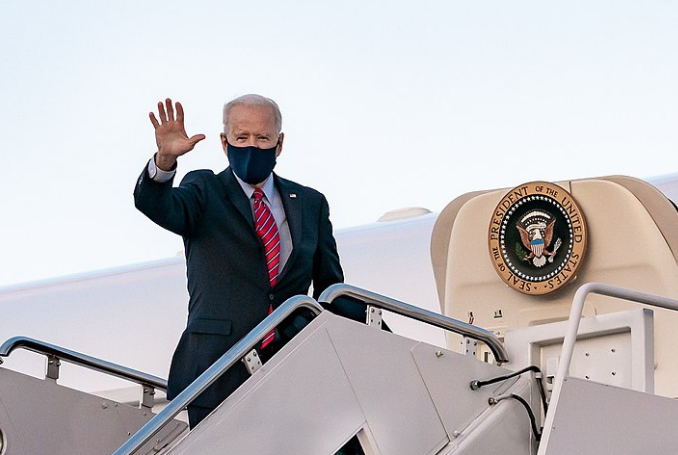
US Foreign Policy Adrift: Why Washington No Longer Calling the Shots
Even if it is accepted, without any argument, that America is, indeed, back, considering the vastly changing geopolitical spheres in Europe, the Middle East and Asia, Biden’s assertion should, ultimately, make no difference.
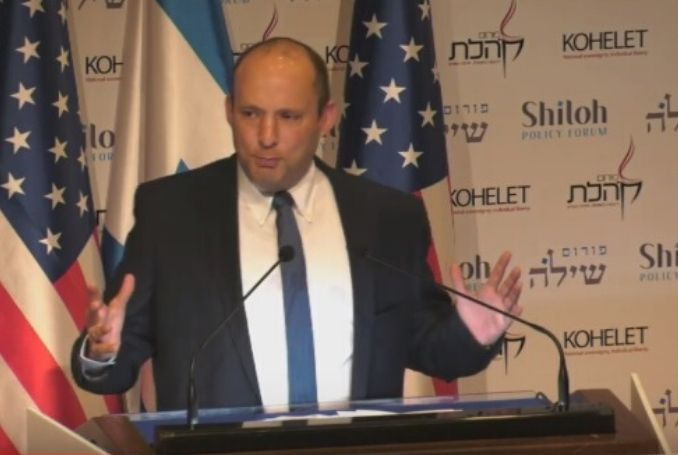
‘Putting Lipstick on a Pig’: Why Washington is Fawning over Israel’s New Government
While the Americans and the Israelis are busy engaging in the ever-familiar ritual of ‘putting lipstick on a pig’, the Palestinians remain irrelevant in all of this, as their political aspirations continue to be discounted, and their freedom delayed.
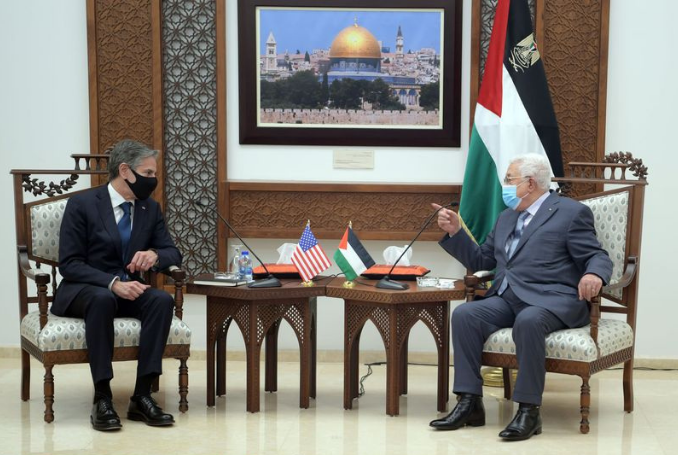
The Fumbling King of Palestine: Palestinians are Defeating the Oslo Culture
Neither Washington, Tel Aviv, nor Mahmoud Abbas’ PA can possibly resuscitate the past and the miserable culture that Oslo has imposed on the Palestinian people. Only Palestinians can lead this transition for a better future, that of national unity, political clarity and, ultimately, freedom.
Bottom-up Politics: Grassroots Activism Behind Pro-Palestine Shift in the US
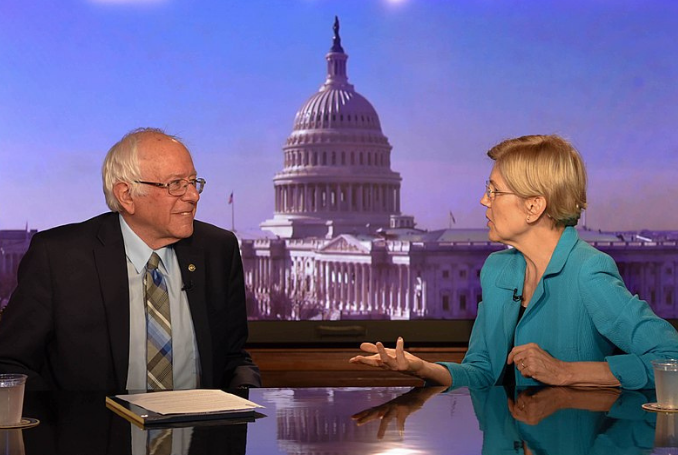
While the Israel lobby still wields the dual weapon of money and propaganda, politically engaged grassroots activism is proving decisive in garnering American solidarity with Palestine, while slowly translating this solidarity into actual political gains.
Nuclear Weapons Blazing: Britain Enters the US-China Fray
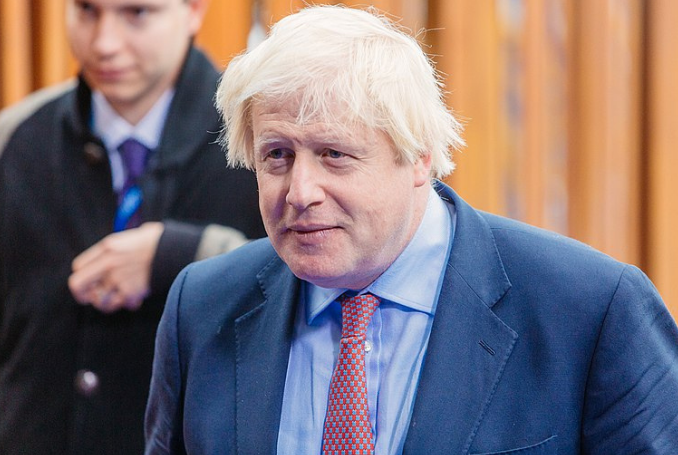
The British foreign policy shift is an unprecedented gamble for London as the nature of the new Cold War is fundamentally different from that of the previous one; this time around, the ‘West’ is divided, torn by politics and crises, while NATO is no longer the superpower it once was.
From the Earth to the Moon: Biden’s China Policy Doomed from the Start
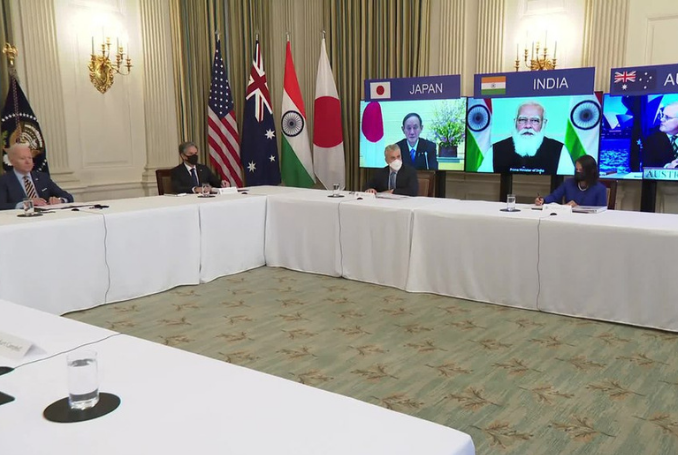
Certainly, the US-led ‘Quad’ meeting was neither historic nor a game-changer, as all indicators attest that China’s global leadership will continue unhindered, a consequential event that is already reordering the world’s geopolitical paradigms which have been in place for over a century.
The Ongoing Calamity: US Collective Punishment of the Venezuelan People Must End
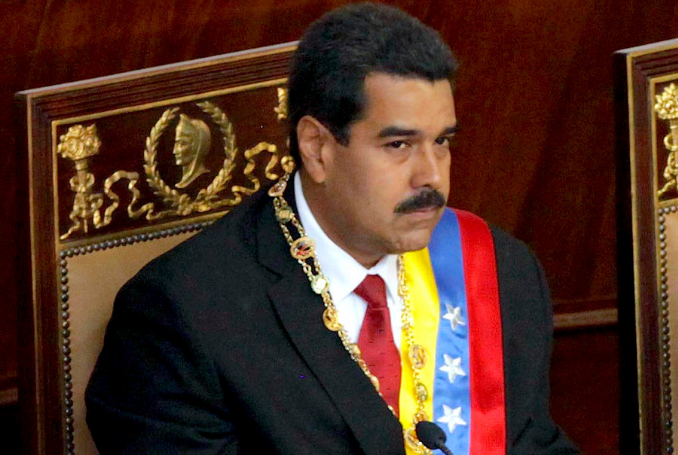
Washington’s futile sanctions-based approach to Venezuela has proved not only immensely harmful to the welfare of the Venezuelan people but also to Washington’s own regional interests. Washington’s obstinacy allowed its global rivals, Russia and China, to unprecedentedly cement their economic and strategic interests in that country.
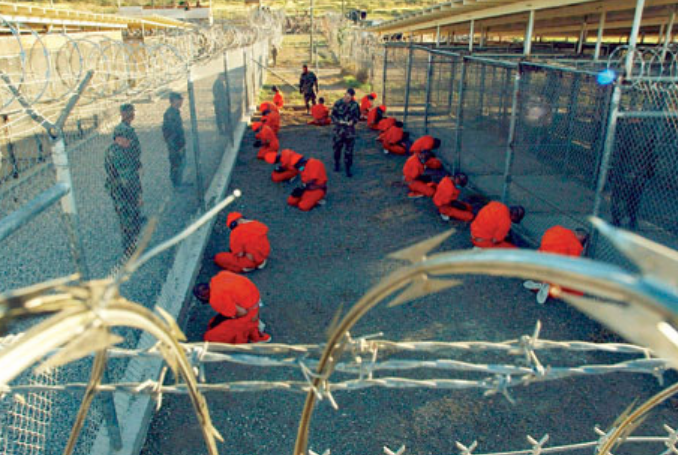
The American Injustice Industry: Why Shutting Down Guantánamo is Not Enough
So, even if Biden is able to overcome pressure from the military, from the CIA, and from Congress to shut Guantánamo down, justice will still be absent, not only because of the numerous lives that are forever shattered but because America still refuses to learn from its mistakes.
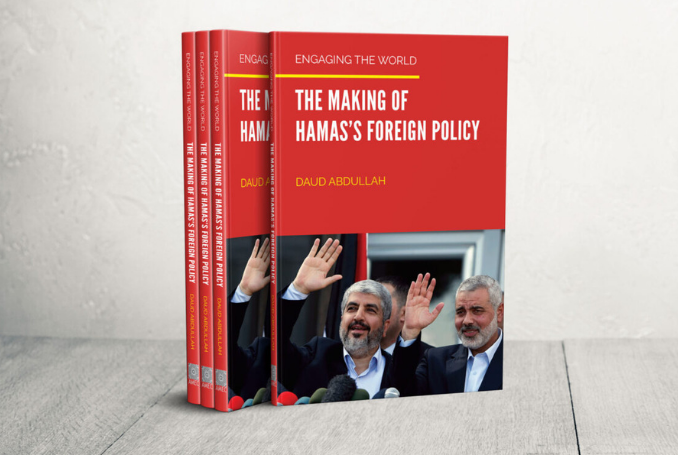
Engaging the World: The Making of Hamas’s Foreign Policy
Abdullah’s volume on Hamas is a must-read, as it offers a unique take on Hamas, liberating the discussion on the Movement from the confines of the reductionist Western media’s perception of Hamas as terrorist – and of the counterclaims, as well. In this book, Hamas is viewed as a political actor, whose armed resistance is only a component in a complex and far-reaching strategy.
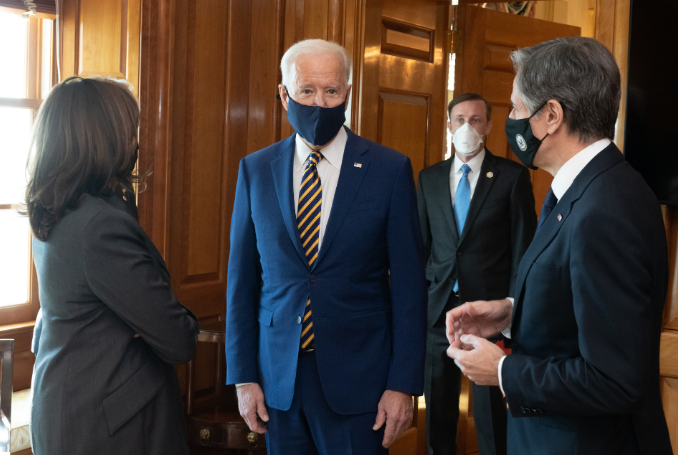
‘Leaving Aside’ International Law: Why Democrats are as Dangerous as Republicans to a Just Peace in Palestine
While the Democratic discourse remains committed to arming and defending Israel, it provides Palestinians and Arabs with no meaningful change, because substantive change can only occur when international law is respected. Unfortunately, according to Blinken’s logic, such seemingly trivial matters should, for now, be ‘left aside’.
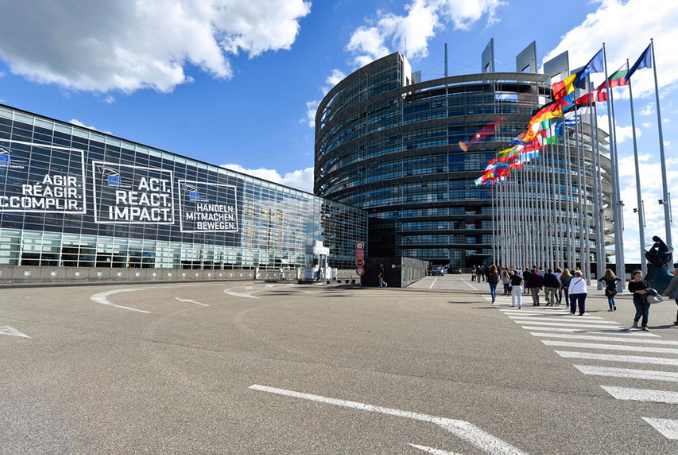
Europe Will Redefine Itself Despite the Political Shift in the US
The ball is no longer in Washington’s court alone. The fact that the majority of Europeans believe in China’s impending global leadership in a matter of a few years means that the EU will have no patience for any American ultimatum to choose between Washington and Beijing.
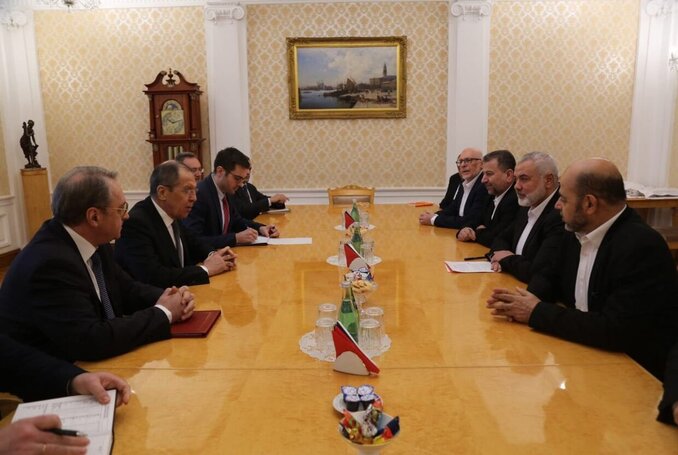
The Russian Alternative: How Moscow is Capitalizing on US Retreat in Palestine, Israel
The US now has no other option but to slowly retreat from its previous commitments to the peace process: in fact, the region as a whole. As is often the case, any American retreat means a potential opening for Russia, which is now laying claim to the role of peace broker, a seismic change that many Palestinians are already welcoming.

‘Freedom is Never Voluntarily Given’: Palestinian Boycott of Israel is Not Racist, It is Anti-Racist
The boycott movement aims at holding the oppressor accountable as it places a price tag on military occupation and apartheid. Not only is the Palestinian boycott movement not racist, it is essentially a rallying cry against racism and oppression.
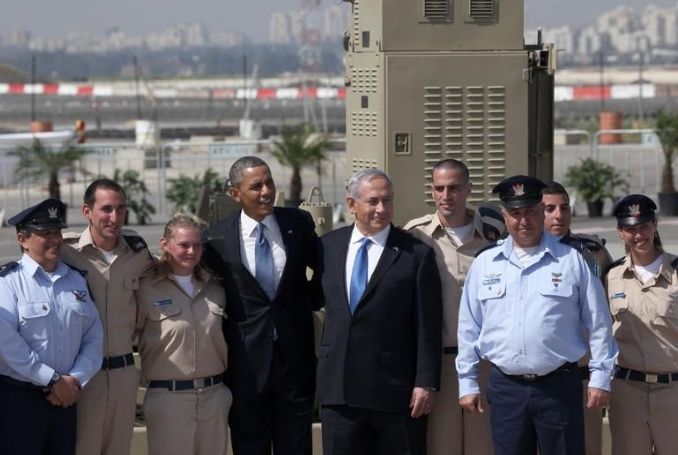
The US Money Tree: The Untold Story of American Aid to Israel
Judging by its legacy of continued support of the Israeli military machine and the ongoing colonial expansion in the West Bank, Washington insists on serving as Israel’s main benefactor – if not a direct partner – while shunning Palestinians altogether. Expecting the US to play a constructive role in achieving a just peace in Palestine does not only reflect indefensible naivety but willful ignorance as well.

The Great Divider: COVID-19 Reflects Global Racism, Not Equality
While it is likely that class, race and gender inequalities will continue to ravage human societies after the pandemic, as they did before, it is also possible for governments to use this collective tragedy as an opportunity to bridge the inequality gap, even if just a little, as a starting point to imagine a more equitable future for all of us.
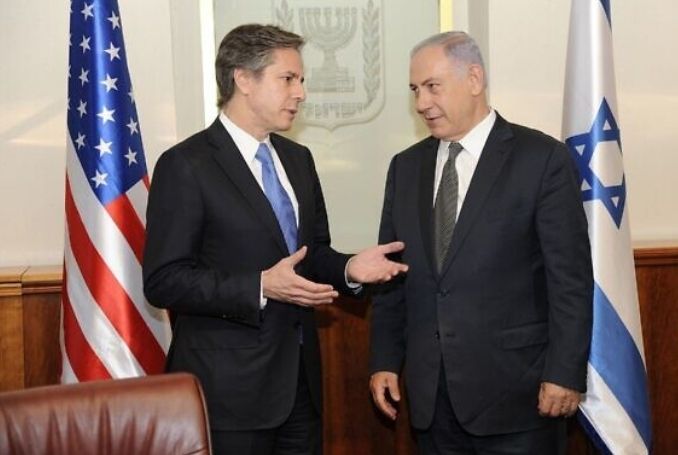
The King’s Man: Blinken’s Appointment Reassures Israel that Little Will Change under Biden
Biden’s foreign policy is likely to be a continuation of Trump’s ‘Deal of the Century’, though under a different designation. It is baffling that the Palestinian leadership is unable to see this, focusing instead, on steering the US back to a failed status quo, where Washington blindly supported Israel while paying Palestinians off for their silence.
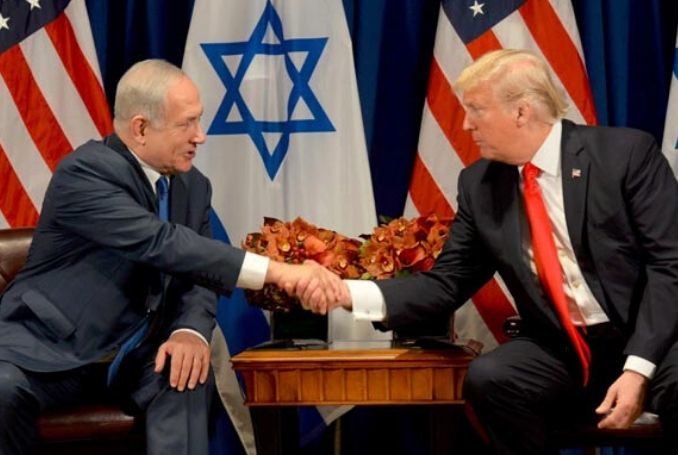
Expansion and Mass Eviction: Israel ‘Takes Advantage’ of Trump’s Remaining Days in Office
The announcements are strategically timed, as they carry an unmistakable political message that Israel does not intend to reverse its settlement policies, regardless of who resides in the White House.
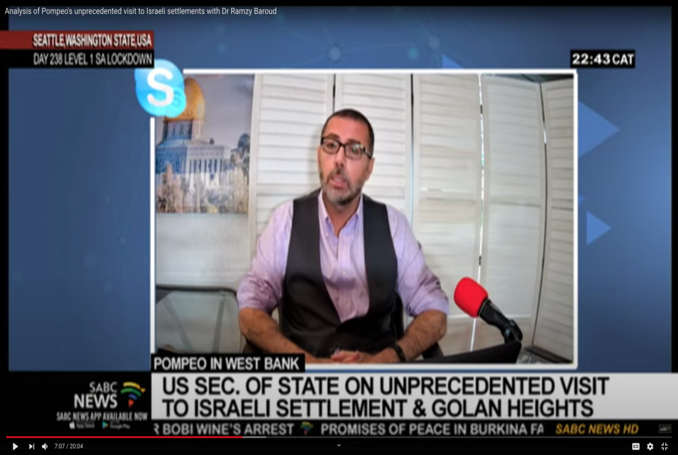
WATCH: Ramzy Baroud on Pompeo’s Designation of BDS as ‘Antisemitic’
Ramzy Baroud speaks about Pompeo’s visit to illegal Jewish settlement ad his designation of BDS as antisemitic.
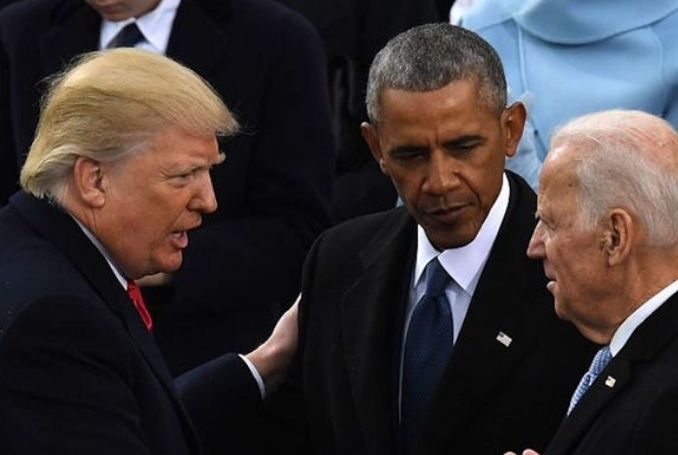
‘Total Reset’ is Wishful Thinking: The Daunting Task of Reordering US Foreign Policy
While it is too early to determine the nature of Biden’s foreign policy doctrine, it behooves the new administration to alter its perception of itself and the world at large, and to understand that sheer military power is no longer a guarantor of political and economic influence.
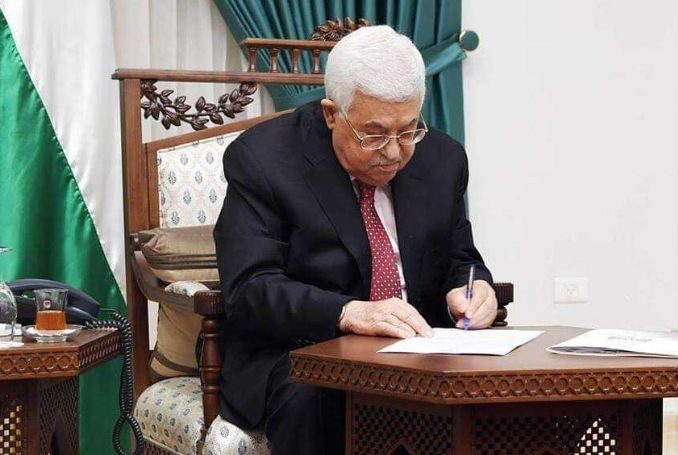
‘Playing for Time’: The Non-strategy of Mahmoud Abbas
To be deserving of such a title, the Palestinian leadership must wean itself off its total dependence on US validation and handouts. Judging by many years of blind and unconditional US support of Israel, no matter which party claims the White House, Washington will remain committed to Israel, funding its occupation and defending it at every turn.