- October 24, 2026


It Is Not Just Trump: America’s Disastrous Middle East Policy
The US government continues to double down, even as its stubbornness costs it dearly not only in material terms but also in geopolitical influence. Washington is rapidly losing power and status in the Middle East, a decline that could produce a wider domino effect, reverberating around the world.
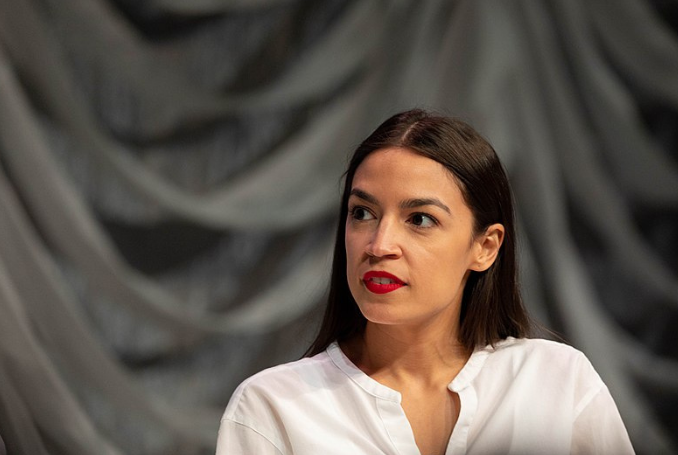
Gaza on the Ballot: Not a Rupture Yet—But Change is Coming
Ocasio-Cortez is just one of many Democratic progressives who carefully filtered their vocabulary to avoid the political fallout of using the term genocide too early, or too late.
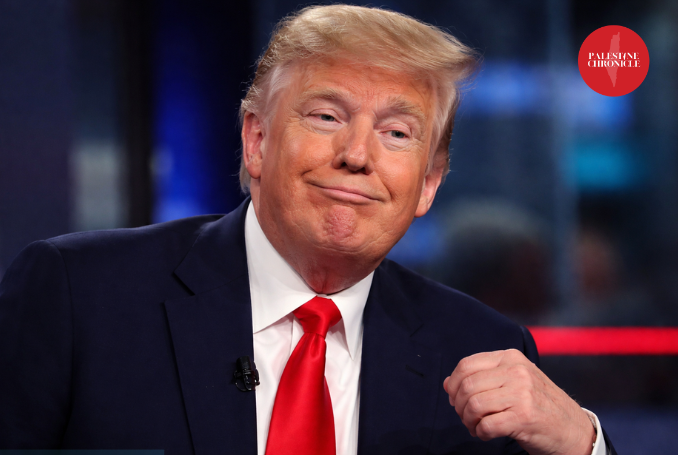
Chronicles of a Weak President: How Iran Destroyed Trump’s Illusion of Strength
The fallacy of Trump’s strength must be permanently abandoned for a far more accurate representation of the man: the literal embodiment of weakness and cowardice.
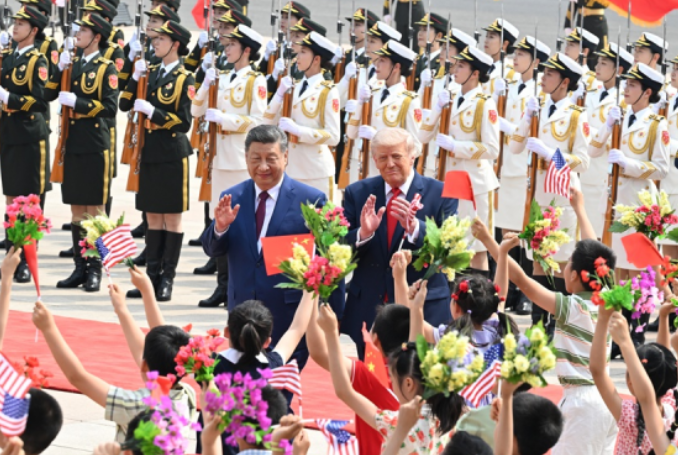
The Rise of China and the Imminent US Exit: What Must the Arabs Do?
US President Donald Trump’s state visit to China last week will go down in history as the moment the US finally acknowledged Beijing’s ascendancy as a global superpower. That acknowledgment does not need to be articulated in a formal statement; it can be clearly read in the subtext of diplomatic behavior, global perception and shifting media coverage.
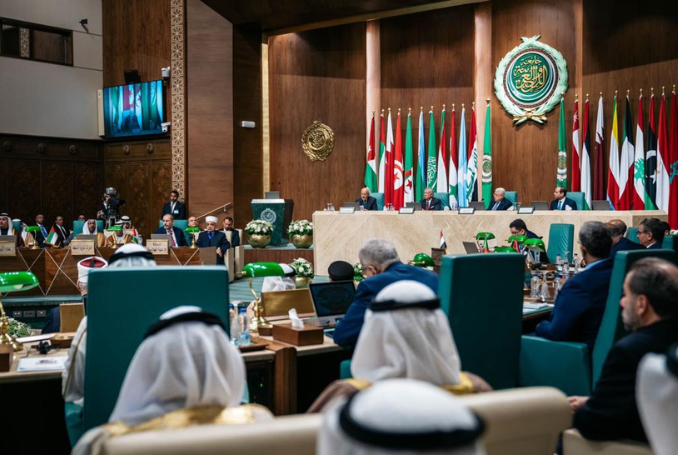
The November Fallacy: Why the Middle East Must Reclaim Its Agency
If we remain dependent on US dictates and cues, we are merely subjects of an empire, discounting our own sense of agency and our own internal dynamics.
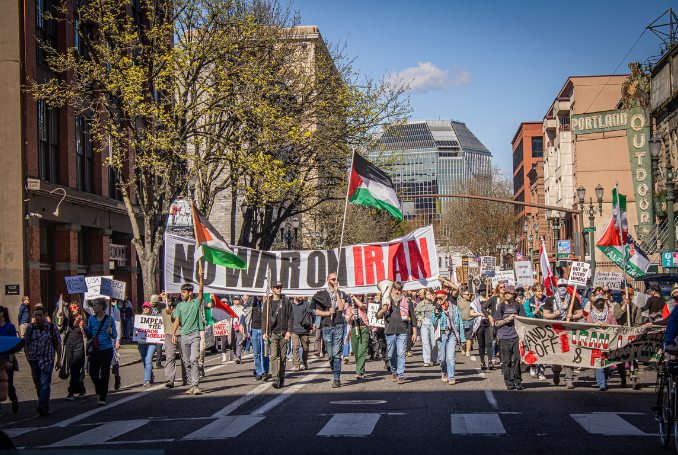
A Reason for Optimism: America’s Moral Break with Endless War
Ordinary Americans are no longer passive recipients of power, but active participants in shaping a more morally conscious political reality.
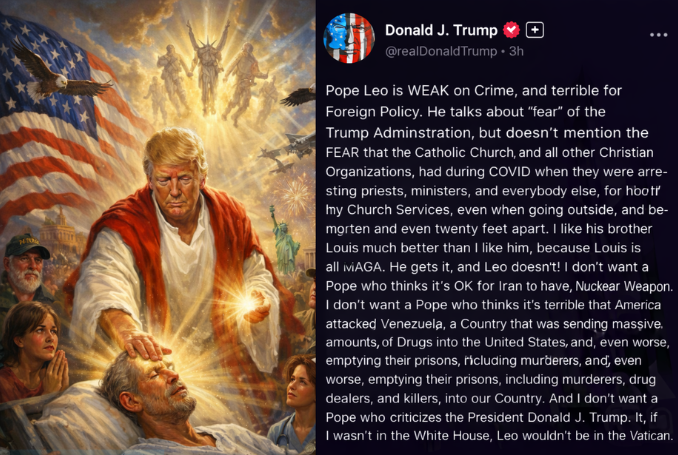
Not US Foreign Policy as Usual—Who Will Stop Donald Trump?
Outside of a small number of dissenting voices, there is no sustained institutional effort to check presidential power. Congress has not mobilized in any meaningful way.
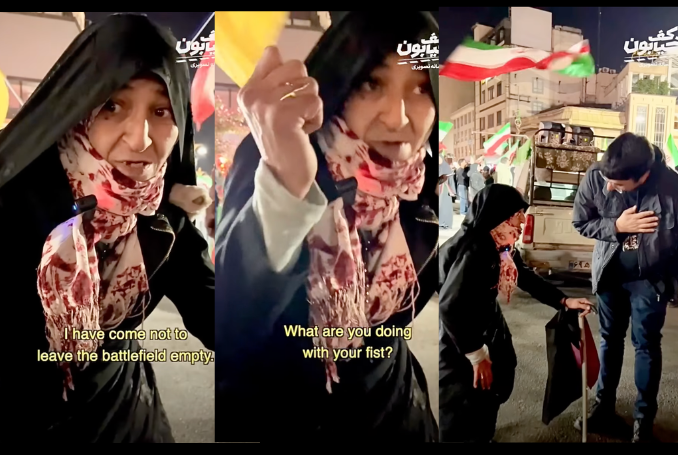
‘I Can Clench My Fist’: The Old Woman of Tehran Who Defeated Donald Trump
Power is a condition of being. And that old woman of Tehran—who refuses to leave the ‘battlefield empty’—is its most authentic manifestation.
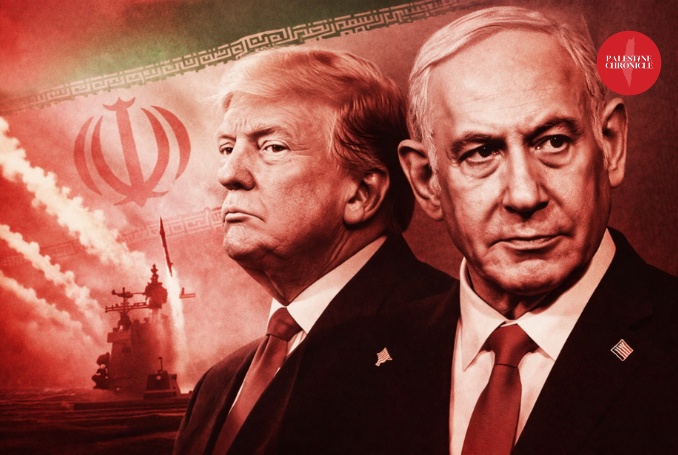
After Iran: Is This the Unraveling of the US-Israeli Order?
The coming days and weeks are decisive, for an outcome of this magnitude cannot pass without major geopolitical consequences—regionally and globally.
Trapped by His Own Image: Trump’s Iran War and the Politics of Ego
The US-Israeli war on Iran is a geopolitical catastrophe shaped, in no small part, by the psychology of a leader unwilling to confront the consequences of his own disastrous decisions.
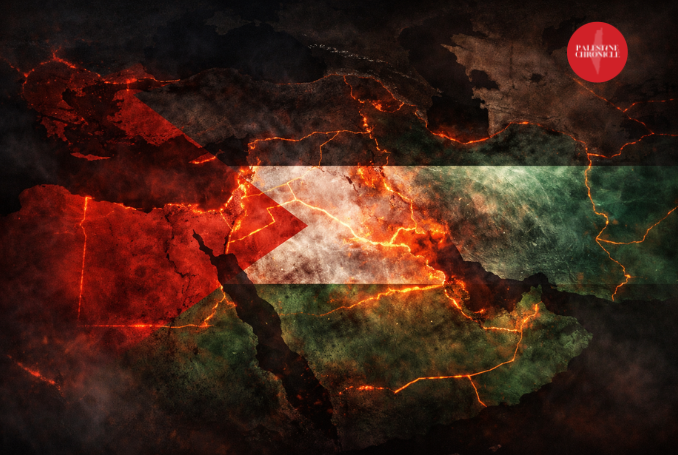
Will the US-Israeli War on Iran Open the Road to Palestinian Freedom?
The challenge now is not simply to recognize that change is underway, but to understand its depth and direction, so as not to remain confined to partial readings of the war on Iran.

The Tolstoy Guide to History that Trump and Netanyahu Didn’t Read
This is what Tolstoy meant when he challenged historians to look beyond rulers and to focus instead on the countless human actions that actually produce historical change.

The Explosion Inside Trump’s War Machine: Joe Kent Resigns
Joe Kent’s resignation is not an anomaly but an alarm: elite dissent is surfacing early because this war is built on deception.
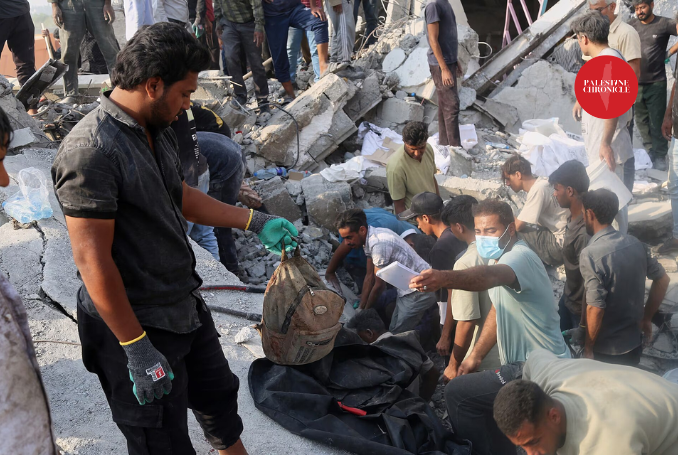
The Iran War — The Most Obvious Question Liberal Media Refuses to Ask
Though they speak of the war’s failure, very few in mainstream media have taken what should have been the obvious moral position.
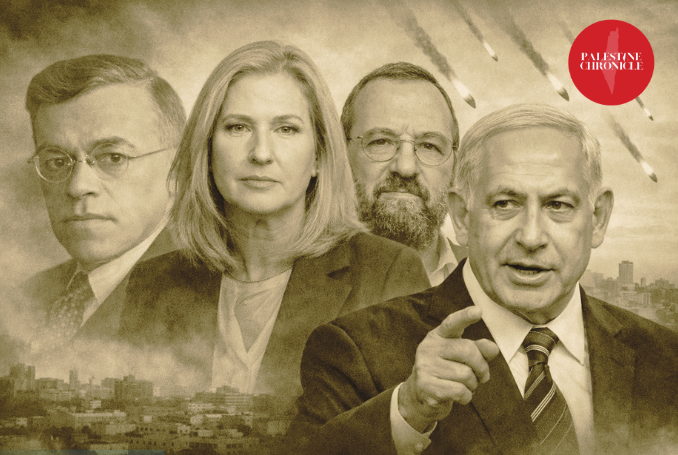
Israel’s Greatest Weapon Was Fear — And It Is Now Failing
Israel’s war on Iran reveals a deeper crisis: the collapse of a psychological doctrine built on fear and invincibility.
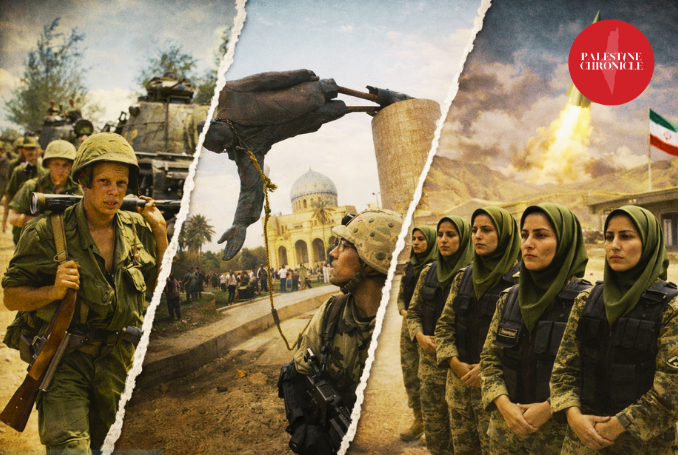
The Next American Quagmire: Why the War on Iran Is Destined to Fail – Analysis
Washington’s war on Iran ignores the lessons written in the devastation of Korea, Vietnam, Iraq, and Afghanistan.
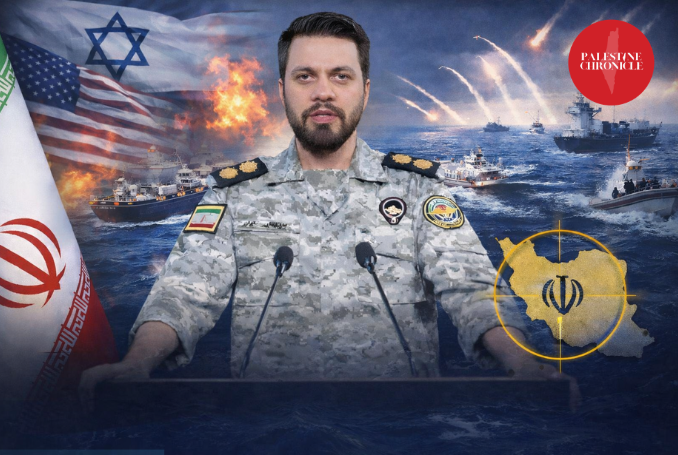
The War Iran Prepared For: How Tehran Is Raising the Cost of War
Iran is pursuing a multi-layered strategy—military, economic, political, and diplomatic—to raise the cost of war and prevent regime change.
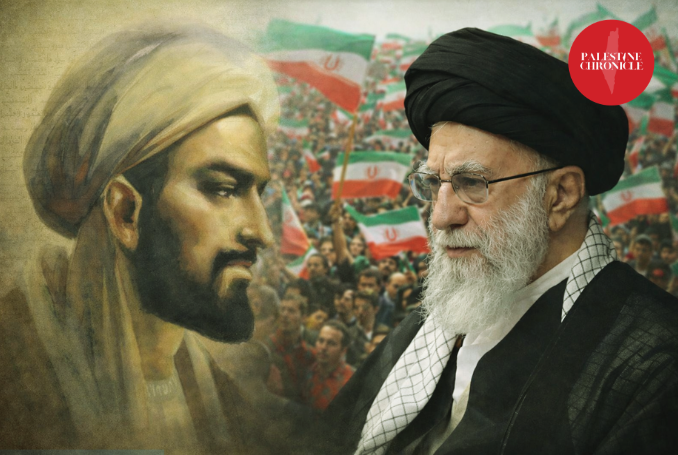
The Re-Rise of Iran: Did US-Israeli Aggression Revive the Islamic Revolution?
Ibn Khaldun’s theory of civilizational cycles offers a powerful lens to understand Iran’s resilience and the West’s decline.
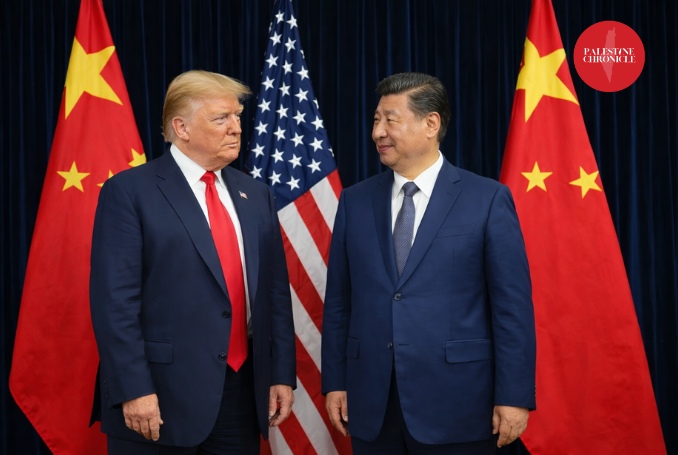
From Trade War to ‘Strategic Stability’: Is Washington Quietly Retreating from China?
The main hurdle remains Washington’s refusal to acknowledge that the massive shifts reshaping the global geopolitical map are irreversible.
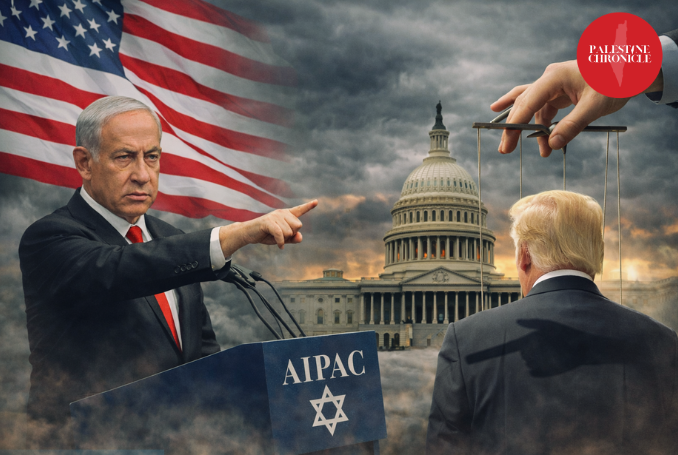
Debunked and Confirmed: Myths and Realities from the Iran War
The war on Iran has shattered US-Israeli myths and confirmed deeper truths about power, resistance and regional reality.