- October 21, 2026

AUTHOR DETAILS

Monsters Playing Victims: Danny Danon’s Twisted War on the Truth
Whether Israelis will ever comprehend the irreparable damage inflicted on their country’s reputation by their UN ambassador, Danny Danon, is a moot point. The damage Israel has done to itself through its barbaric practices in the Occupied Territories is simply impossible to overcome.

‘The Paradigm is Shifting’: Anti-Zionist Jewish Congress Calls for a New Political Future
Ahead of the Second Jewish Anti-Zionist Congress, speakers addressed a press conference on Palestine, solidarity, media, and political action.

The Illusions of Western Virtue: Ursula von der Leyen and Europe’s Moral Bankruptcy
The instrumentalization of human rights has long been a staple of Western foreign policy, despite mounting evidence that such commitments are rarely applied consistently.

When the Iran War is Over: Why the West Bank May Be Netanyahu’s Next Front
The era of Netanyahu may be nearing its end, but before this bloody political chapter closes, countless more Palestinians may be forced to bear the cost.
The Day After the Iran War: Five Scenarios, Core Questions, and a Forum for Our Readers
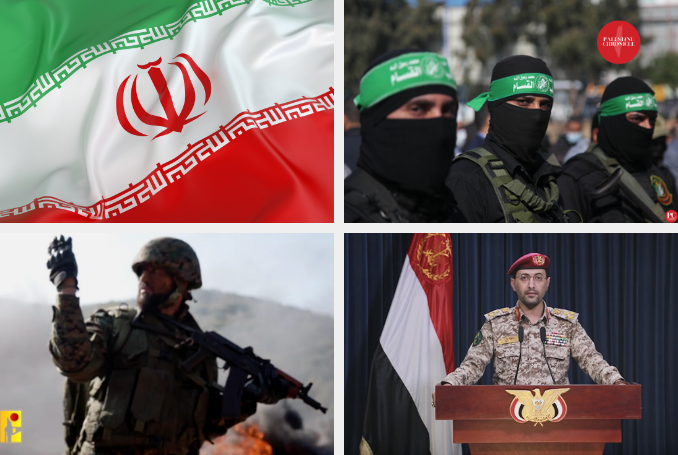
The Middle East stands at the precipice of a profound, unprecedented geopolitical realignment. Even if a temporary US–Iran ‘cessation of hostilities’ holds, the structural drivers of the conflict remain unresolved.
Mladenov as a Decoy: Why Gaza Aid Must Be Immediately Delinked from Politics
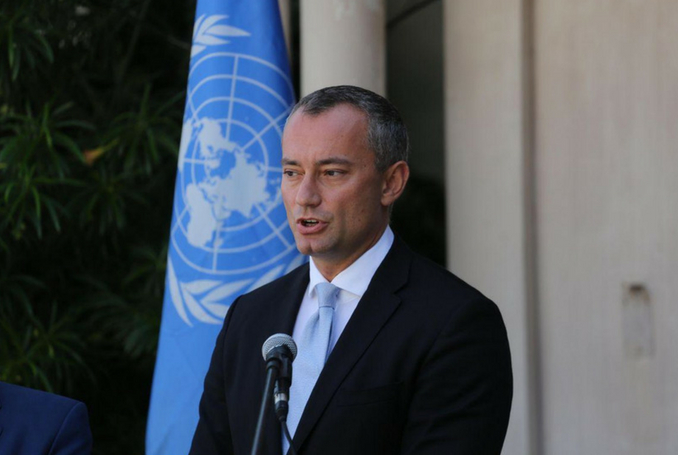
Gaza requires urgent international attention. What is happening in the besieged and devastated Strip far exceeds an unfolding humanitarian disaster; it is a calculated geopolitical reshaping.
The Dahiyeh Gamble: How Netanyahu’s Escalation Backfired into an Iranian Victory
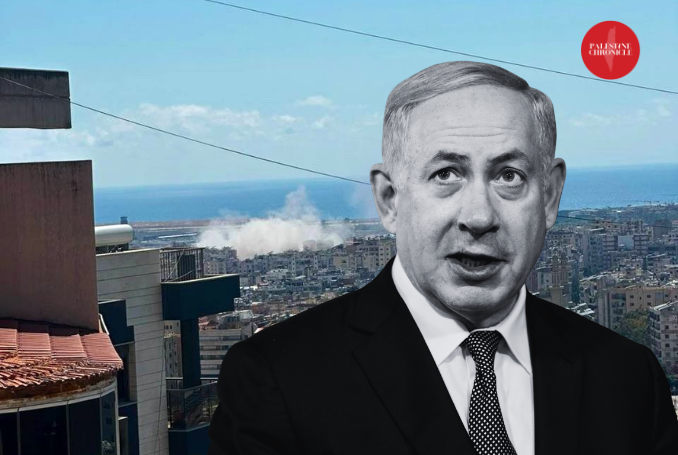
Netanyahu’s attack on Beirut may have triggered a historic shift, linking Lebanon’s security directly to Iranian military deterrence.

The Palestine Industry: The Rats of Gaza and the Opportunists among Us
The struggle for Palestinian freedom must remain anchored in the soil of Gaza. The global solidarity movement must not be permitted to mutate into a careerist industry.

Chronicles of a Weak President: How Iran Destroyed Trump’s Illusion of Strength
The fallacy of Trump’s strength must be permanently abandoned for a far more accurate representation of the man: the literal embodiment of weakness and cowardice.
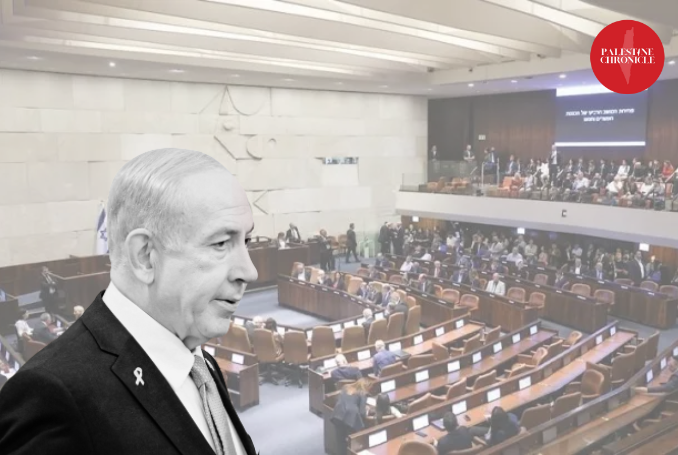
Netanyahu Can Stave Off Elections, But He Cannot Save a State Trapped in Infinite War
For over two years, Netanyahu postponed a legal verdict on the Haredi draft. But mounting military setbacks, particularly on the Lebanese front, made further delays impossible.
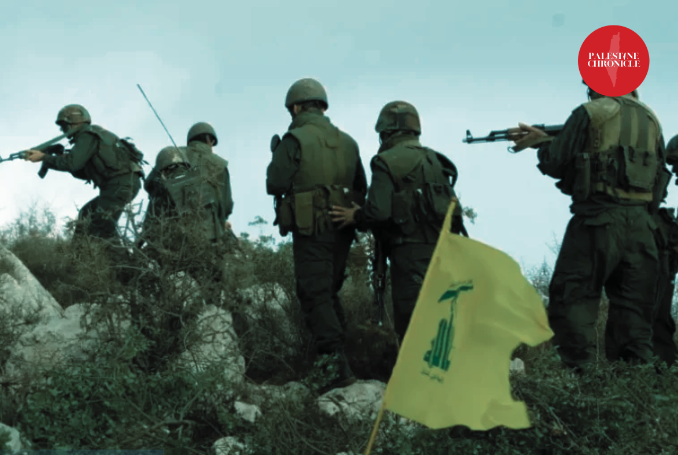
The Security Belt Delusion: Why Netanyahu’s Lebanon War is Headed toward Failure
Despite military gains, despite political pressure, and despite attempts to co-opt sections of Lebanon’s political establishment, Israel failed to fundamentally alter the equation.
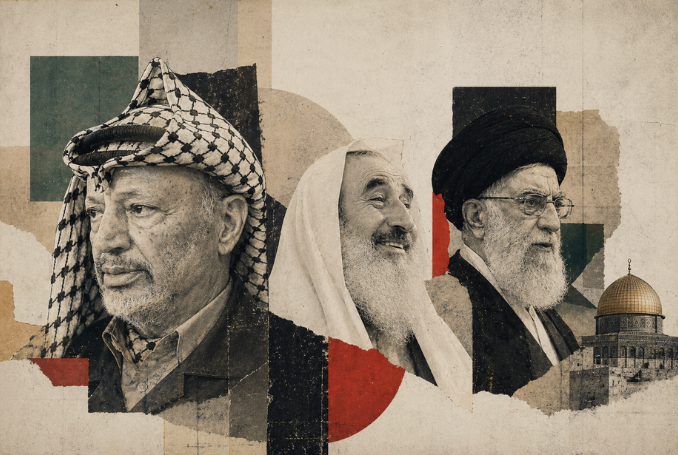
Why Didn’t Iran Put Gaza on the Table? A Difficult Answer
In this critical reading, Ramzy Baroud challenges the assumption of abandonment, arguing instead that the answer lies in the fragmented nature of Palestinian representation and the uneven political architecture of the resistance camp itself.
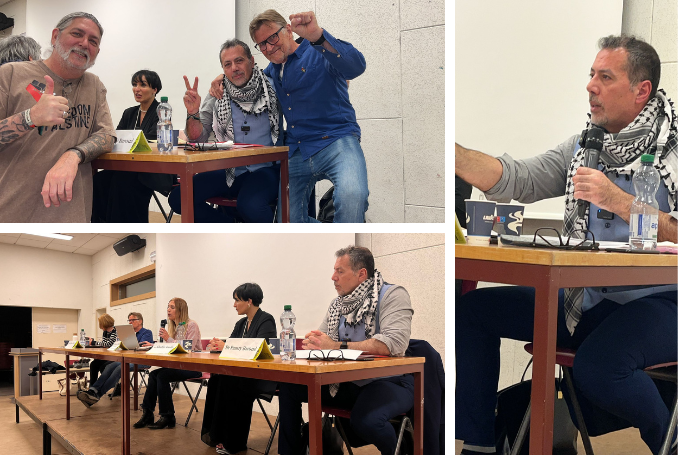
The People’s History: The Continuum of Palestinian Resilience
These are the prepared remarks of Dr. Ramzy Baroud for his address on the 78th anniversary of the Nakba, delivered in Geneva and Lyon, May 15–16, 2026.

Storytelling as a Foundation to Understand the Palestinian People
The 2026 PEN World Voices Festival hosted “Narrating Palestine: Family, History, and Displacement” in New York City, an intimate and powerful conversation that felt less like a panel and more like a necessary reckoning with how Palestinian stories are told.
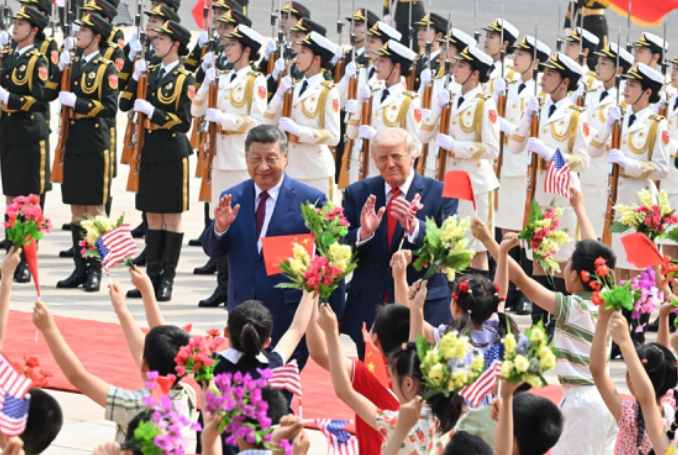
The Rise of China and the Imminent US Exit: What Must the Arabs Do?
US President Donald Trump’s state visit to China last week will go down in history as the moment the US finally acknowledged Beijing’s ascendancy as a global superpower. That acknowledgment does not need to be articulated in a formal statement; it can be clearly read in the subtext of diplomatic behavior, global perception and shifting media coverage.

‘Why Do We Tell Stories’: Baroud on Writing as Resistance, Memory, and Survival – VIDEO
At a KPFK event in Los Angeles on May 9, Ramzy Baroud reflects on storytelling as an act of sumud, tracing the intimate relationship between memory, exile, resistance, and the struggle to preserve Palestinian humanity through words.

‘Long History of Resistance’ – Chris Hedges Hosts Dr. Ramzy Baroud to Discuss New Book
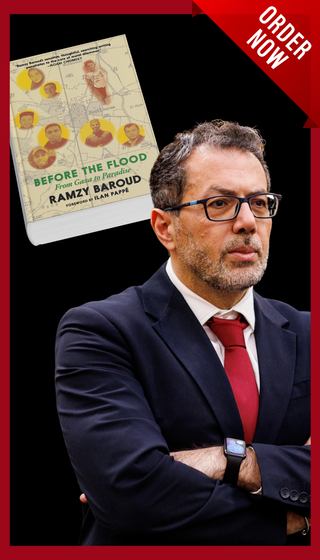
Situated in the genre of people’s history, the book traces the experiences of ordinary Palestinians across generations. Palestinian author and journalist, Dr. Ramzy Baroud, discusses his latest book, Before the Flood: A Gaza Family Memoir, in a newly released interview with American journalist and author Chris Hedges, examining Palestinian resistance, historical memory, and the ongoing struggle […]

The Assault on a French Nun and the Forgotten Story of Palestinian Christians
Palestinian Christians have been subjected to the same policies of ethnic cleansing, racism, and military occupation as their Muslim brothers and sisters.
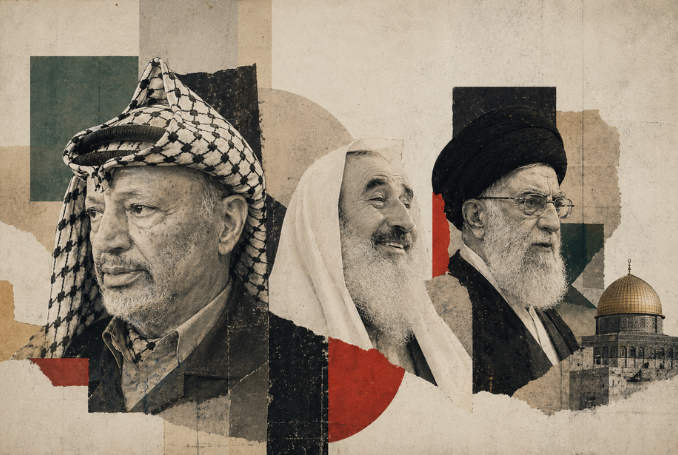
Why Didn’t Iran Put Gaza on the Table? A Difficult Answer
From Gaza to Tehran, from the politics of resistance to the limits of regional diplomacy, a pressing question has resurfaced amid the 2026 war: why was Palestine not explicitly placed at the center of Iran’s ceasefire framework? In this critical reading, Ramzy Baroud challenges the assumption of abandonment, arguing instead that the answer lies in the fragmented nature of Palestinian representation and the uneven political architecture of the resistance camp itself.