- October 24, 2026

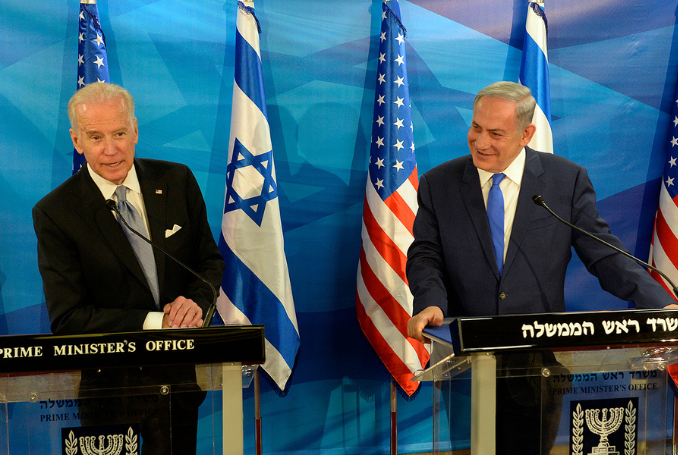
US and Israel: Is the ‘Unbreakable Bond’ Finally Breaking?
Though much of Israel’s self-proclaimed ‘independence’ was an outcome of unconditional US support, Israelis hardly acknowledge this fact.
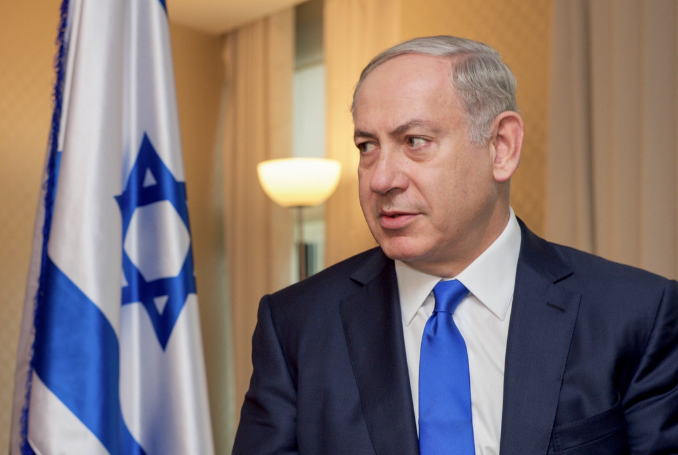
No Palestinian State and the PA ‘Works for Us’: Netanyahu’s Remarks Should Inspire Paradigm Shift
Now, armed with a stable coalition, immune from any meaningful criticism, let alone tangible consequences to his action, the Israeli leader feels ready to carry out his right-wing agenda without further hesitation.
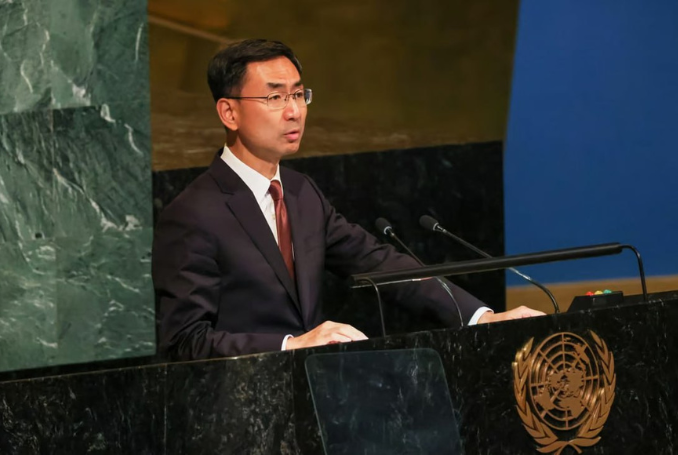
China and Palestine: No To ‘Piecemeal Crisis Management’
Considering Washington’s unparalleled importance to Israel, on the one hand, and the Arab-Muslim world’s significance to China on the other, the future is easy to foresee.
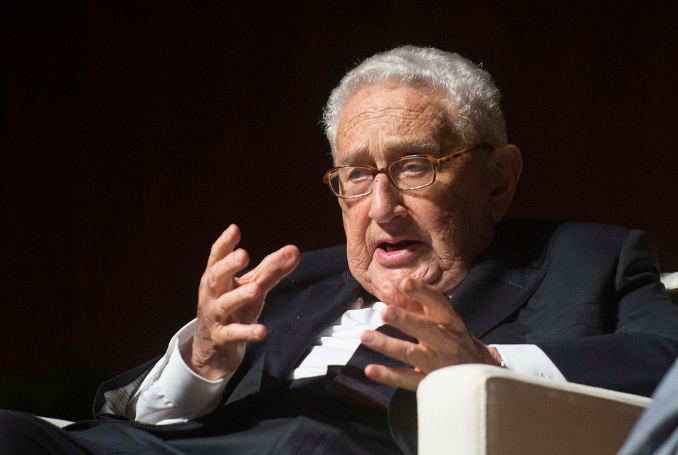
Prophets of Doom: Kissinger and the ‘Intellectual’ Decline of the West
The problem, of course, is not Kissinger himself. The crisis is twofold: The West is unwilling to accept that war, for once, will not solve its problems.

Not On Our Dime!’: Why US Democrats Are Growingly Challenging Israel
Time will tell what direction Washington will take in the future. But, considering the current evidence, support for Israel is dwindling at rates that are unprecedented.
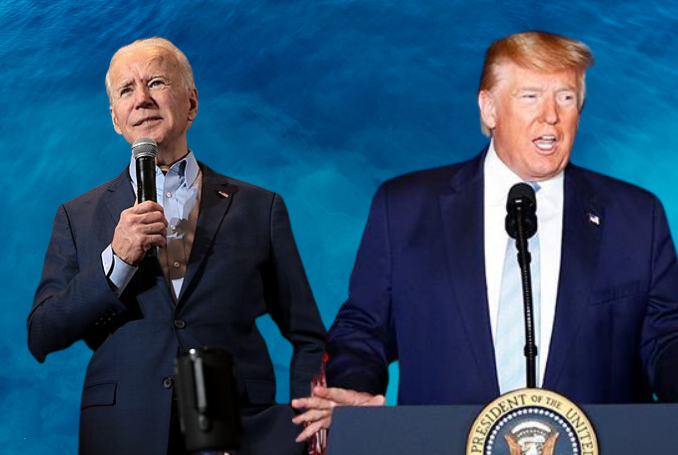
Lying about Lying: Why We Must Revisit the Definition of ‘Fake News’
The phrase ‘fake news’ continues to be deployed routinely in US politics. In a polarized political atmosphere, both Republicans and Democrats distrust media organizations affiliated with opposing parties.
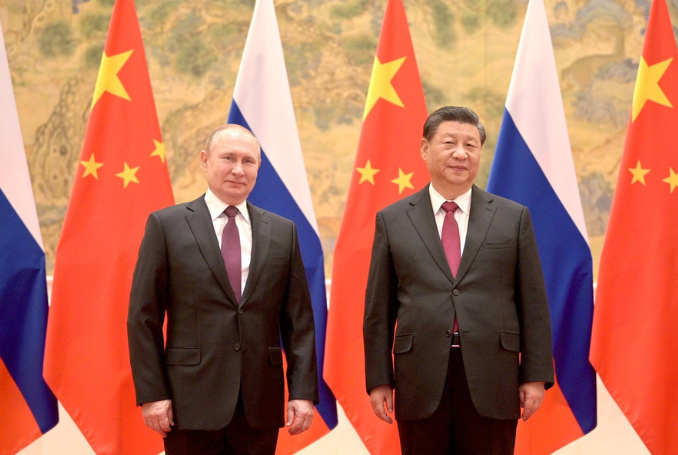
Xi’s ‘Chilling’ Remarks: A Multipolar World Offers Challenges and Opportunities to the Middle East and Africa
While it is too early to determine, with any degree of certainty, the winners and losers of this new configuration, it is most certain that a US-western-dominated world is no longer possible.
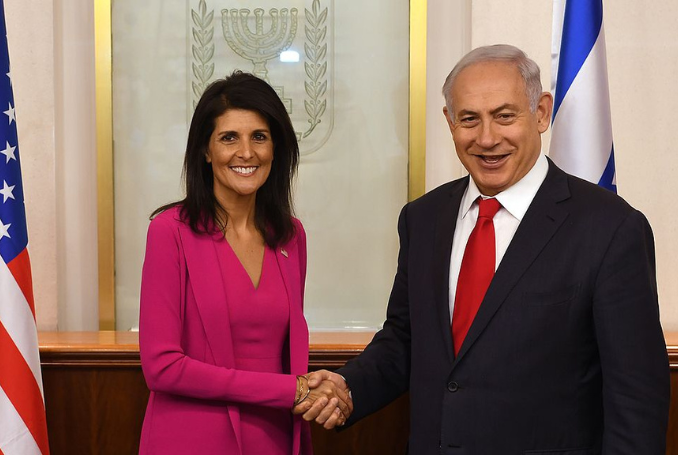
‘America is Not a Racist Country’: How Nikki Haley Became Israel’s Candidate for the White House
Tel Aviv is simply rewarding Haley’s many favors, knowing that, regardless of her exact position in government, Haley will always continue to prioritize Israel’s interests in her political agenda, and, if needed, even ahead of her own country’s.

Failed Experiment: Three Reasons Why Israel Fears a Major War on Gaza
With a rightwing, pro-war constituency that is far more interested in illegal settlement expansion and ‘security’ than economic growth or socio-economic equality, Netanyahu should, at least technically, be in a stronger position to launch another war on Gaza. But why is he hesitating?
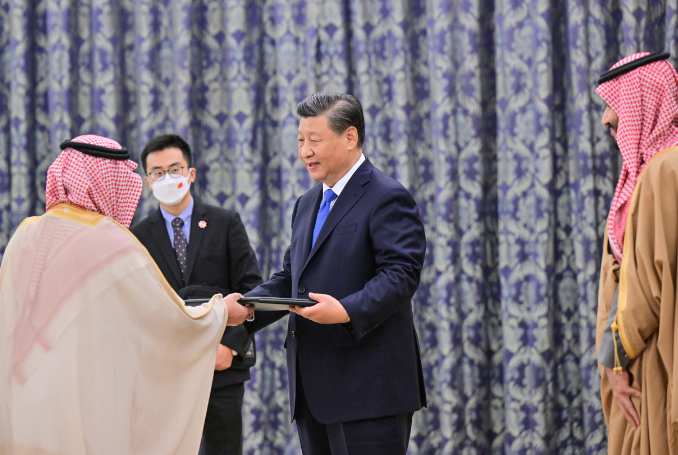
Xi’s Visit and the Future of the Middle East: China-Arab Ties are Permanent
It would be unfair – in fact, misguided – to suggest that large political entities like China and Arab countries combined are shaping their foreign policy agendas, thus staking their futures, on knee-jerk political reactions to the attitude of a single American President or administration.

The ‘Begin Doctrine’: World Must Force Israel to Dismantle Its Nuclear Arsenal
It behooves everyone, Washington included, to join the rest of the world in finally forcing Israel to join the Non-Proliferation Treaty, a first but critical step towards long-delayed accountability.

Weakening the ‘Unbreakable Bond’: This is why the FBI Investigation of Israel is Important
The recent decision by the United States Department of Justice to open an investigation into the killing, last May, of Palestinian-American journalist Shireen Abu Akleh is not a game-changer, but important and worthy of reflection, nonetheless.
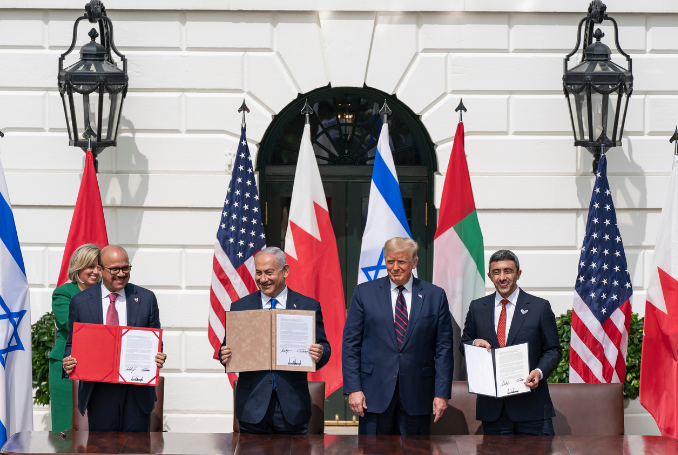
From Ally to Enemy: Australia Hammers Final Nail in US ‘Deal of the Century’
In the final analysis, it has become clear that the ‘Deal of the Century’ was not an irreversible historical event, but an opportunistic and thoughtless political process that lacked a deep understanding of history and the political balances that continue to control the Middle East.
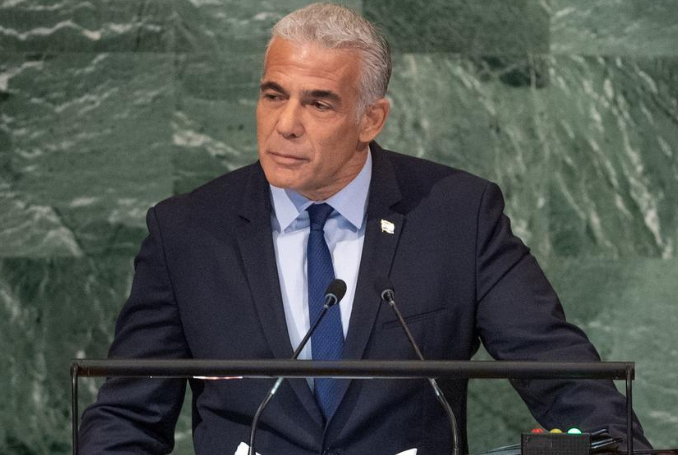
Hidden Motives: Why Lapid is Not Serious about a Palestinian State
The talk of a Palestinian state is, therefore, meant to give whomever is to follow Abbas, political leverage that would allow him to stave off an armed revolt and take Palestinians into another futile hunt in search of another political mirage.
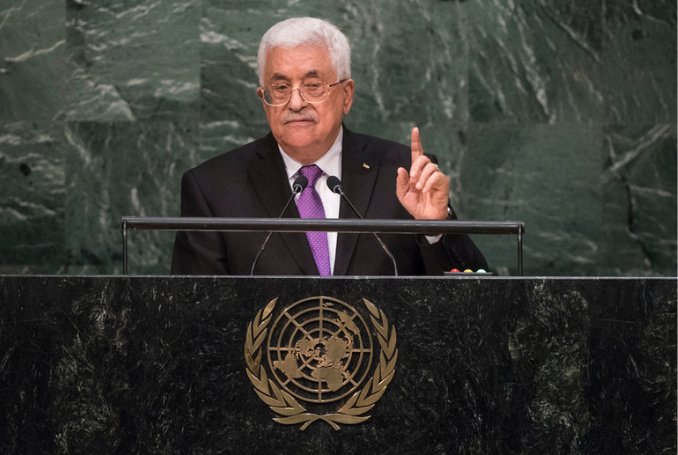
Will the United Nations Finally Deliver Justice for Palestine?
Will the UN’s current power paradigm allow it to finally correct this historic ‘misstep’ by providing Palestinians with the long-delayed justice and freedom?
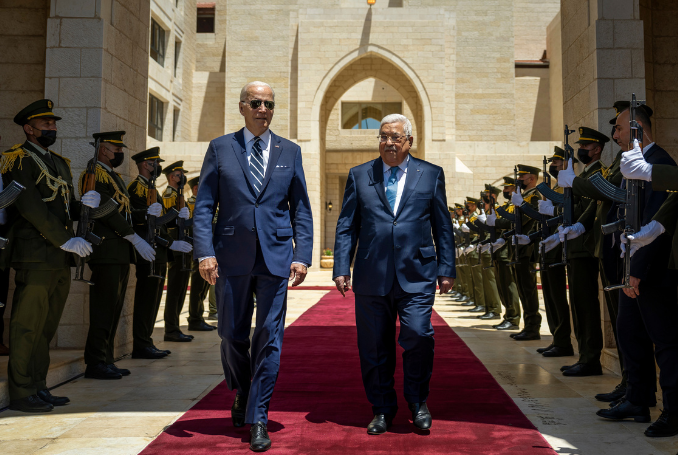
Washington is the Problem, Not the Solution: Why Mahmoud Abbas is Seeking New ‘Powerful’ Sponsors
What Palestinians need is not a new ‘powerful’ sponsor of the ‘peace process’ but a grassroots-based struggle for freedom and liberation starting at home.

Palestinians ‘Are Not Animals in a Zoo’: On Kanafani and the Need to Redefine the Role of the ‘Victim Intellectual’
But for the Palestinian narrative to be truly relevant, Palestinians must indeed assume the role of the Gramscian intellectual, as “purveyors of consciousnesses” and abandon the role of the ‘victim intellectual’ altogether.
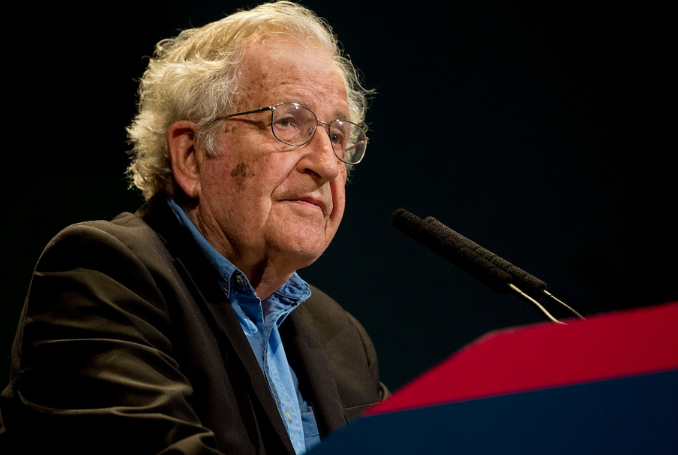
‘Rationality is Not Permitted’: Chomsky on Russia, Ukraine and the Price of Media Censorship
While an alternative understanding of the devastating war in Ukraine is disallowed, the West continues to offer no serious answers or achievable goals, leaving Ukraine devastated and the root causes of the problem in place.
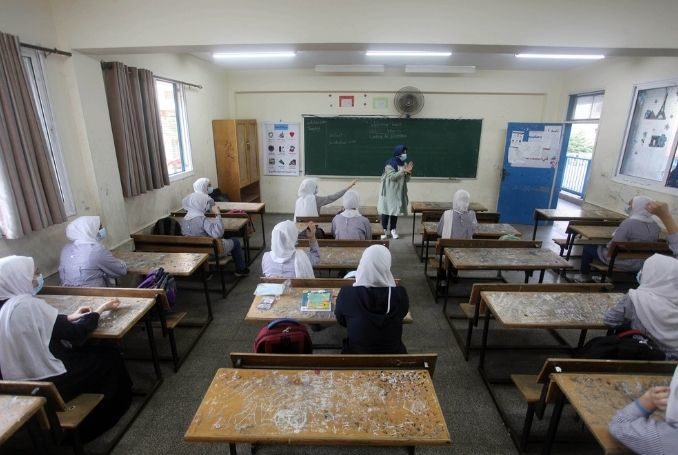
Rewriting UNRWA: The US-Israeli Plan to Cancel out the Palestinian Right of Return
If Palestinian refugees are removed from the list of political priorities concerning the future of a just peace in Palestine, neither justice nor peace can possibly be attained.
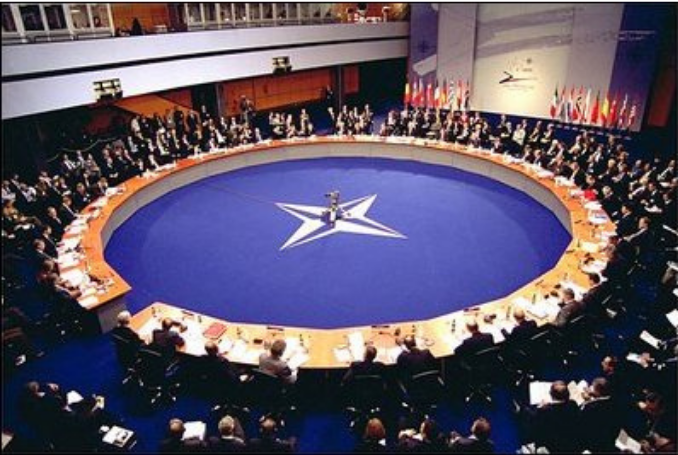
From Korea to Libya: On the Future of Ukraine and NATO’s Neverending Wars
Though military invasions must be wholly rejected, whether in Iraq or Ukraine, turning Ukraine into another convenient zone of perpetual geopolitical struggle between NATO and Russia is not the answer.