- October 23, 2026


Israel is Still in the Game: The Missing Lesson from South Africa
Though any form of isolation of those responsible for genocide is welcome, the growing movement for a sporting boycott of Israel has yet to translate solidarity into meaningful isolation.
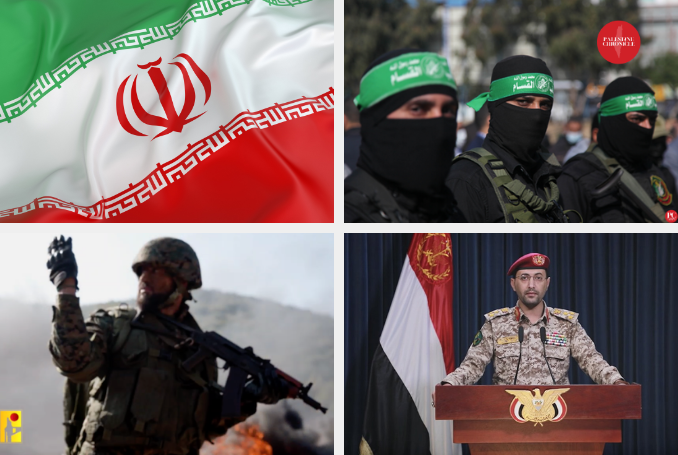
The Day After the Iran War: Five Scenarios, Core Questions, and a Forum for Our Readers
The Middle East stands at the precipice of a profound, unprecedented geopolitical realignment. Even if a temporary US–Iran ‘cessation of hostilities’ holds, the structural drivers of the conflict remain unresolved.
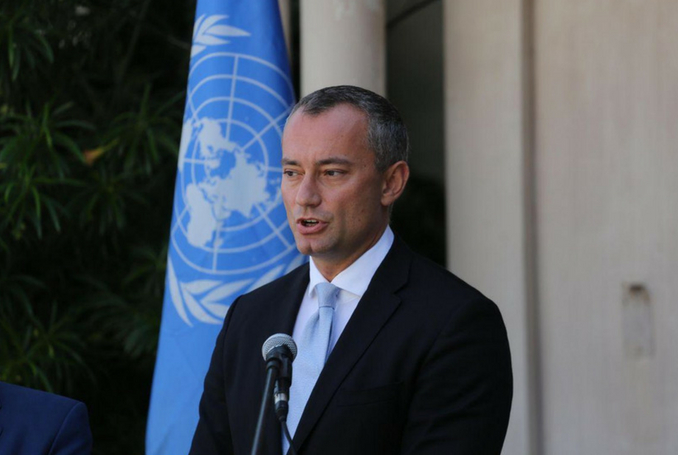
Mladenov as a Decoy: Why Gaza Aid Must Be Immediately Delinked from Politics
Gaza requires urgent international attention. What is happening in the besieged and devastated Strip far exceeds an unfolding humanitarian disaster; it is a calculated geopolitical reshaping.
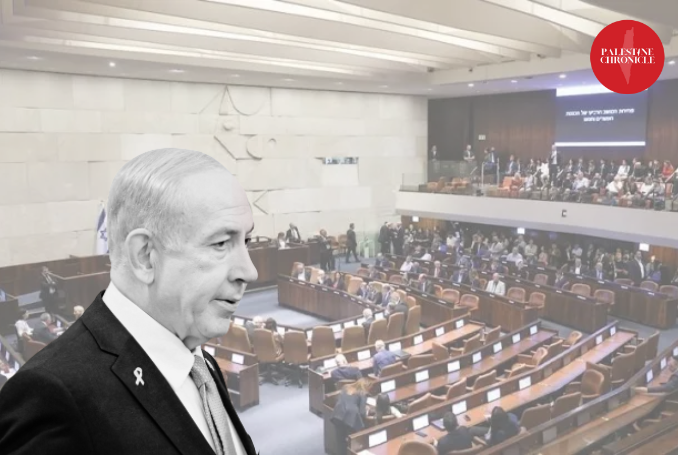
Netanyahu Can Stave Off Elections, But He Cannot Save a State Trapped in Infinite War
For over two years, Netanyahu postponed a legal verdict on the Haredi draft. But mounting military setbacks, particularly on the Lebanese front, made further delays impossible.
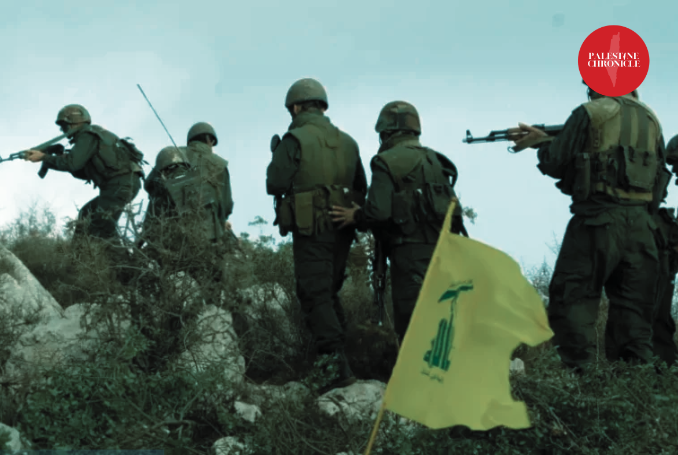
The Security Belt Delusion: Why Netanyahu’s Lebanon War is Headed toward Failure
Despite military gains, despite political pressure, and despite attempts to co-opt sections of Lebanon’s political establishment, Israel failed to fundamentally alter the equation.
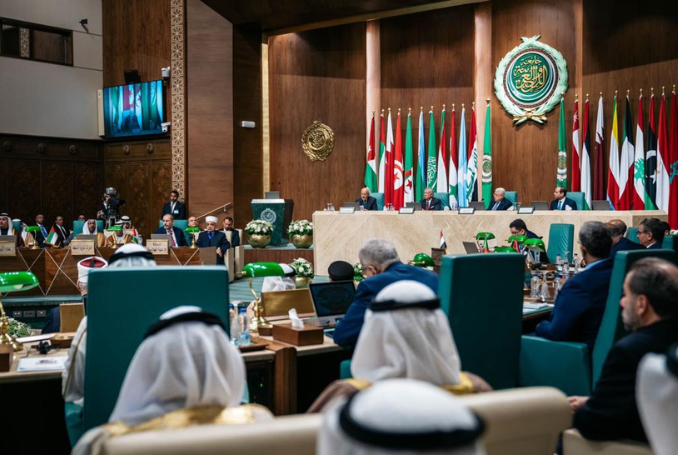
The November Fallacy: Why the Middle East Must Reclaim Its Agency
If we remain dependent on US dictates and cues, we are merely subjects of an empire, discounting our own sense of agency and our own internal dynamics.

Europe’s Moral Crisis: The Crumbling Shield around Israel
Europe now knows that a genocide has been committed. This paradigm shift is unlikely to be reversed, regardless of whether Luxembourg’s bureaucrats manage to delay the inevitable.
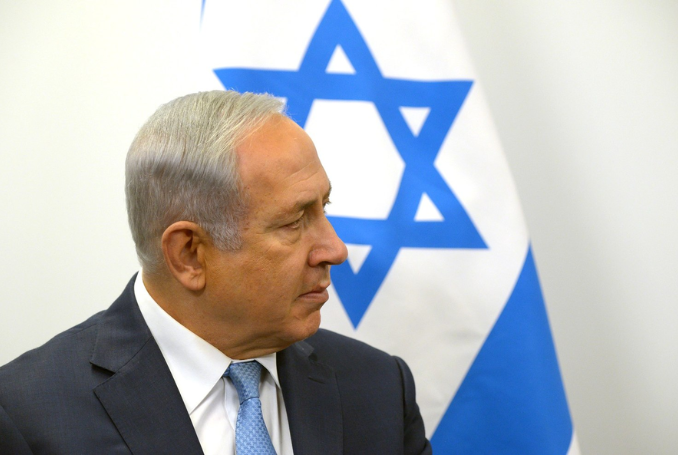
Beyond One Man: Why Israel’s Wars Will Not End with Netanyahu
To break this paradigm, Palestinians must generate leverage—real leverage. This cannot come from futile negotiations or appeals to long-ignored international law.
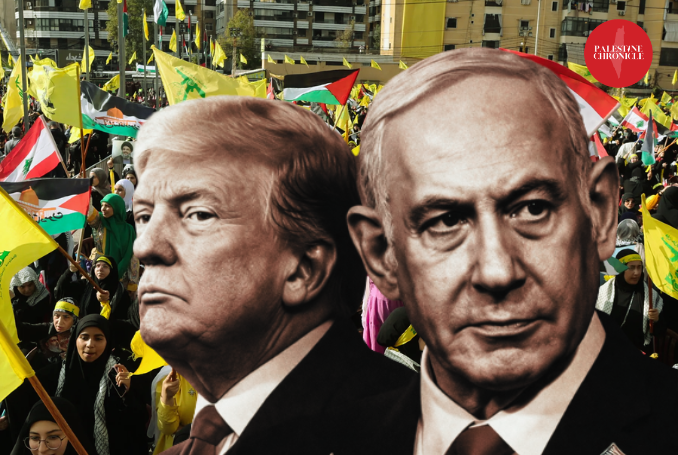
The Collapse is Real – Lebanon Ceasefire Marks a Historic Strategic Defeat
The balance is finally shifting. For the first time in decades, the trajectory of history is no longer bending in Israel’s favor.
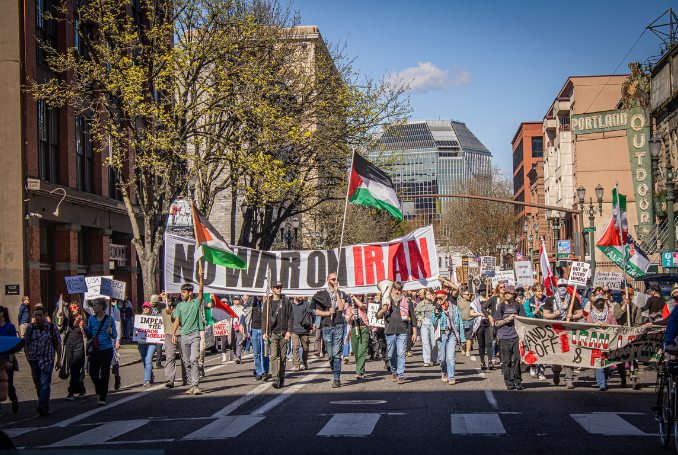
A Reason for Optimism: America’s Moral Break with Endless War
Ordinary Americans are no longer passive recipients of power, but active participants in shaping a more morally conscious political reality.

The Gallows Law: Israel Moves Toward Executing Palestinian Children
Though the law itself does not explicitly mention children, it does not exclude them either. Knowing Israel’s treatment and legal classification of Palestinian children, this distinction is not minor—it is decisive.
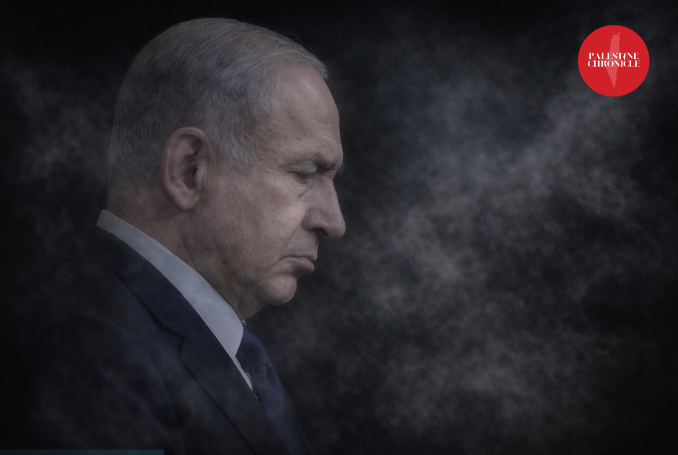
Seven Messages – Can Israel Survive Defeat without Setting the Region Ablaze?
Israel is as dangerous in defeat as it is in victory. Indeed, Lebanon, today, is paying the price of Israel’s strategic failure in Iran.
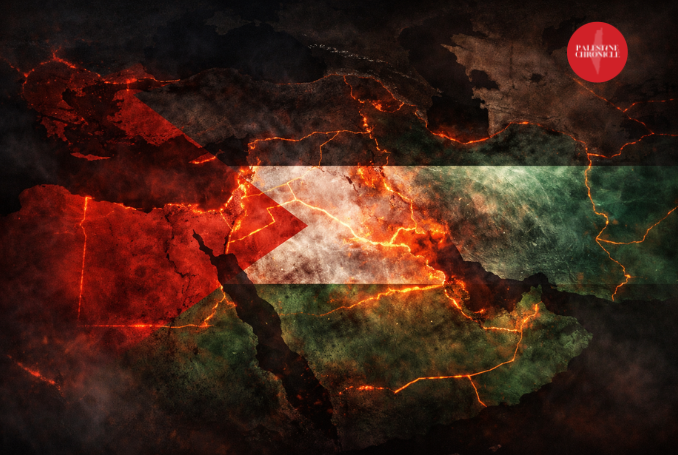
Will the US-Israeli War on Iran Open the Road to Palestinian Freedom?
The challenge now is not simply to recognize that change is underway, but to understand its depth and direction, so as not to remain confined to partial readings of the war on Iran.
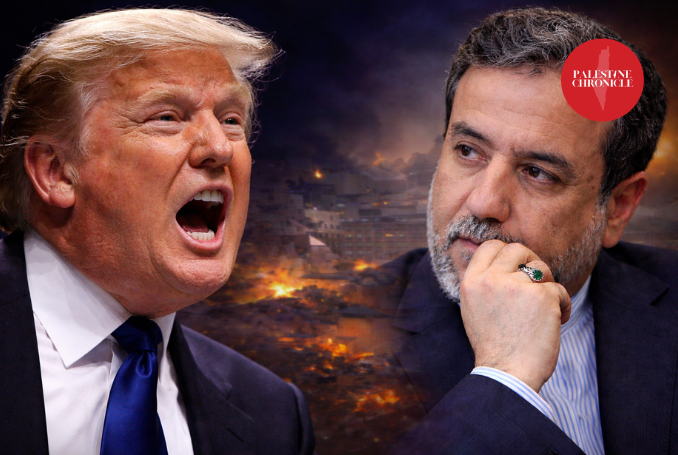
Yes, Iran is Playing Chess — But Only After Rewriting the Rules of the Game
Some may argue that Iran is not merely playing chess, but rewriting its rules. That, perhaps, is the most unsettling realization of all.

From Palestine to Iran: What Arab and Muslim Silence Really Reveals
Why Arab regimes failed Palestine—and why asking the question obscures deeper structures of power, complicity, and regional political alignment.
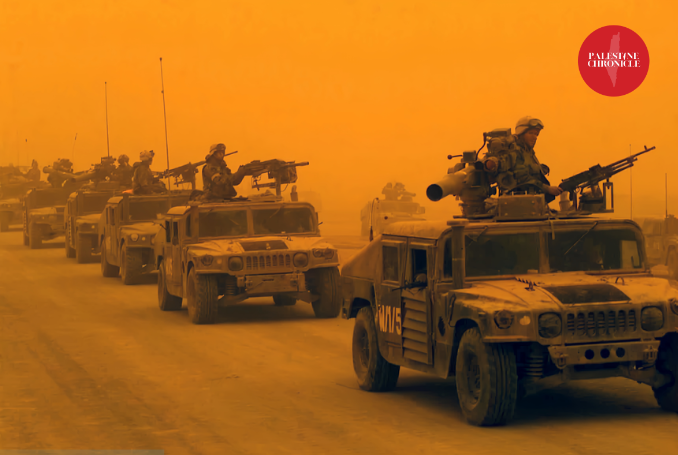
This Is How We Know the Iran War Is Failing — And Not for Military Reasons
Western and Arab allies reject joining the war on Iran not from principle, but from a clear expectation of failure.
The Self-Undoing of Israel: Has Zionism Crossed the Point of No Return?
Is Israel’s trajectory toward isolation and collapse self-inflicted, and has Zionism reached the point of no return?

The Tolstoy Guide to History that Trump and Netanyahu Didn’t Read
This is what Tolstoy meant when he challenged historians to look beyond rulers and to focus instead on the countless human actions that actually produce historical change.

The Explosion Inside Trump’s War Machine: Joe Kent Resigns
Joe Kent’s resignation is not an anomaly but an alarm: elite dissent is surfacing early because this war is built on deception.

Hiding the Truth Now Could Spell Disaster for the Middle East
US Defense Secretary Pete Hegseth appears to have little patience for questions that do not conform to his preferred style of declaring unsubstantiated victories, whether against South Americans or in the Middle East.