- October 24, 2026

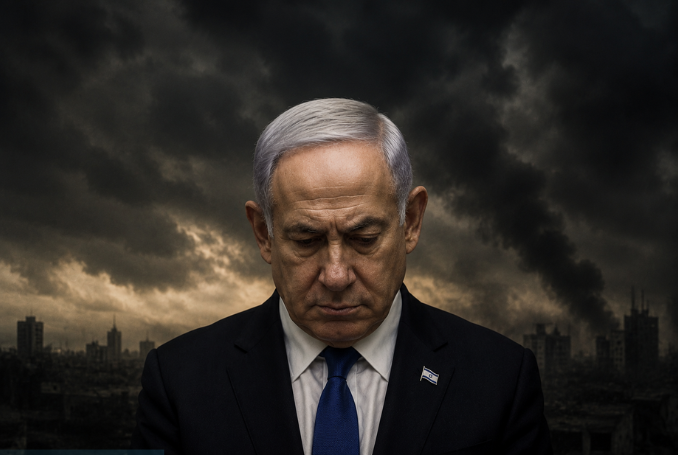
Standing Up to Netanyahu: Five Concrete Fronts to Counter Israel’s Genocide in Gaza
Expressing solidarity in words alone is not enough. Concrete, decisive action is required today—and holding the perpetrators accountable remains entirely within our power.
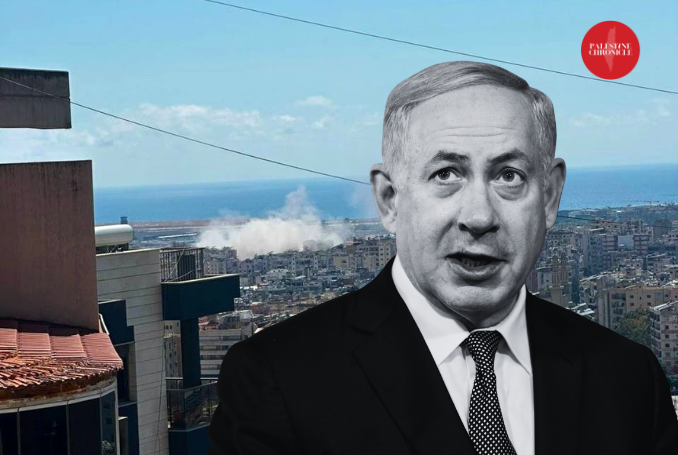
The Dahiyeh Gamble: How Netanyahu’s Escalation Backfired into an Iranian Victory
Netanyahu’s attack on Beirut may have triggered a historic shift, linking Lebanon’s security directly to Iranian military deterrence.
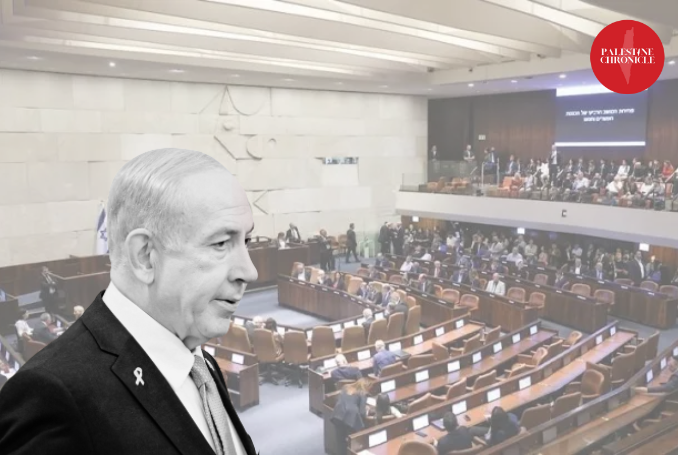
Netanyahu Can Stave Off Elections, But He Cannot Save a State Trapped in Infinite War
For over two years, Netanyahu postponed a legal verdict on the Haredi draft. But mounting military setbacks, particularly on the Lebanese front, made further delays impossible.
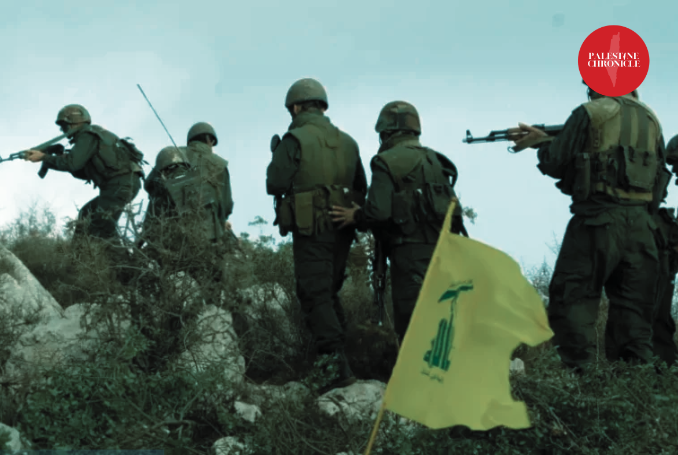
The Security Belt Delusion: Why Netanyahu’s Lebanon War is Headed toward Failure
Despite military gains, despite political pressure, and despite attempts to co-opt sections of Lebanon’s political establishment, Israel failed to fundamentally alter the equation.
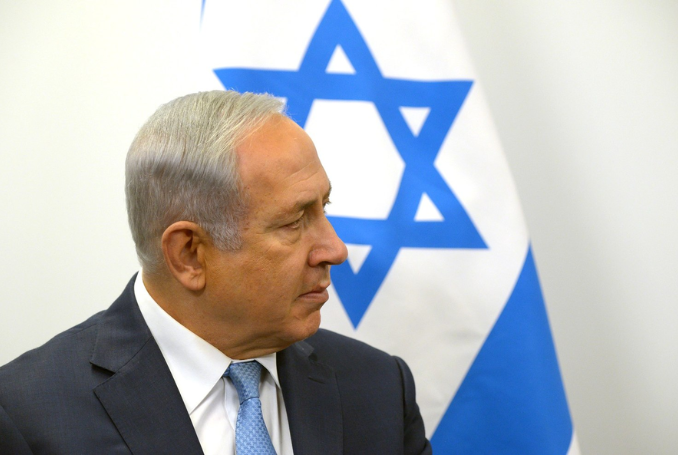
Beyond One Man: Why Israel’s Wars Will Not End with Netanyahu
To break this paradigm, Palestinians must generate leverage—real leverage. This cannot come from futile negotiations or appeals to long-ignored international law.
The Self-Undoing of Israel: Has Zionism Crossed the Point of No Return?
Is Israel’s trajectory toward isolation and collapse self-inflicted, and has Zionism reached the point of no return?

No Time for Losers: Why the War Meant to ‘Save’ Israel May Destroy It
Israel and the US launched war expecting dominance, but shifting geopolitics and regional resistance are reshaping power across the Middle East.
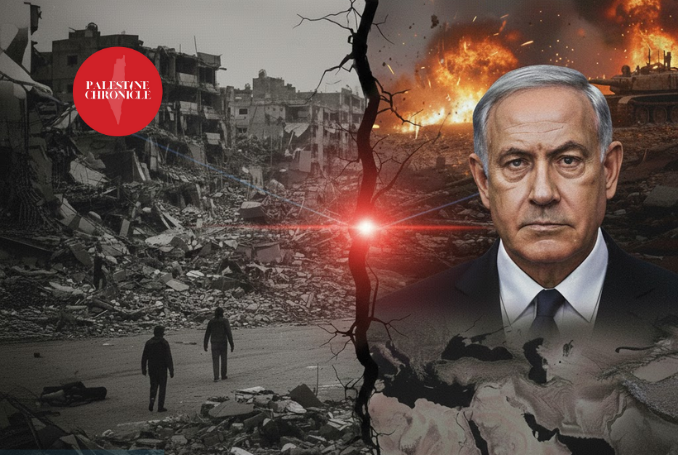
Teetering on the Brink of Genocide: Why Netanyahu is Keen on Prolonging the Gaza War
The war on Gaza is not merely a military campaign. It is the linchpin holding together Netanyahu’s political survival, ideological project, and regional ambitions—one he appears determined to keep firmly in place.
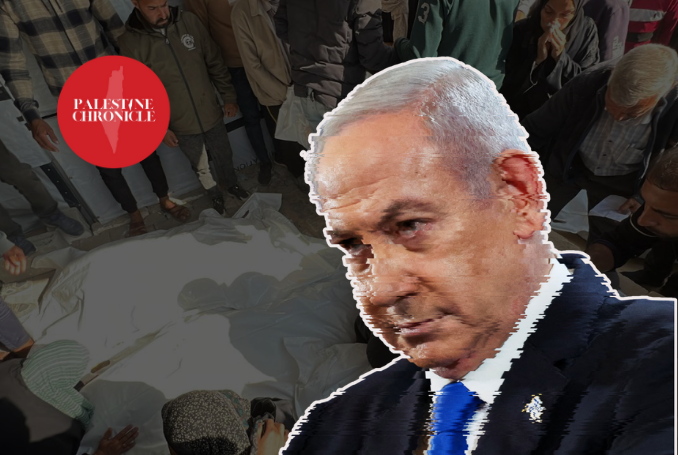
Netanyahu’s Endgame: Isolation and the Shattered Illusion of Power
It remains uncertain how long Netanyahu will remain in power, but his political standing has significantly deteriorated. He faces widespread domestic opposition and international condemnation.

Gaza’s Graveyard of Illusions: How Israel’s Narrative Collides with Military Failure
Israel has clearly failed to secure any genuine or lasting victory, and the obvious solution is for Israel to be reined in and held accountable for its crimes in Gaza and throughout Palestine.
Screaming Soldiers and Open Revolt: How One Video Unmasked Israel’s Internal Power Struggle
Eyal Zamir, who had already committed that “2025 will be a year of war,” seems less inclined now to escalate the war beyond Israel’s ability to sustain it.
Beneath the Surface: Is the Trump-Netanyahu ‘Unthinkable’ About to Erupt?
Netanyahu’s political standing is diminished. He is perceived as a failed political leader and military strategist, unable to secure decisive victories or extract political concessions from his adversaries.
The Politics Behind Netanyahu’s Shin Bet Scandal, and the Trump Factor
Netanyahu’s actions have violated a longstanding taboo, further exacerbating Israel’s already unprecedented internal crisis.
Civil War on the Horizon? The Ashkenazi-Sephardic Conflict and Israel’s Future
Though the Ashkenazis are losing most of their political power, they continue to hold most of their economic cards, which could lead to disruptive strikes and civil disobedience.
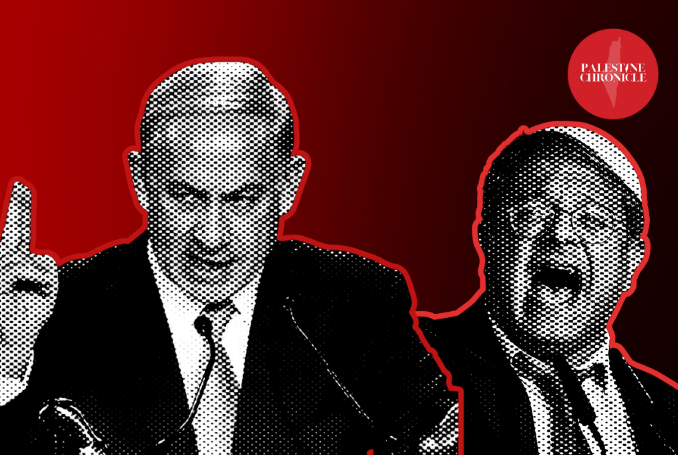
Ben-Gvir, Netanyahu, and the Deadly Dance of Power in Gaza
By Ramzy Baroud In a genocidal war that has spiraled into a struggle for political survival, Israeli Prime Minister Benjamin Netanyahu’s coalition and the global powers supporting him continue to sacrifice Palestinian lives for political gain. The sordid career of Israel’s extremist National Security Minister, Itamar Ben-Gvir, epitomizes this tragic reality. Ben-Gvir joined Netanyahu’s government […]
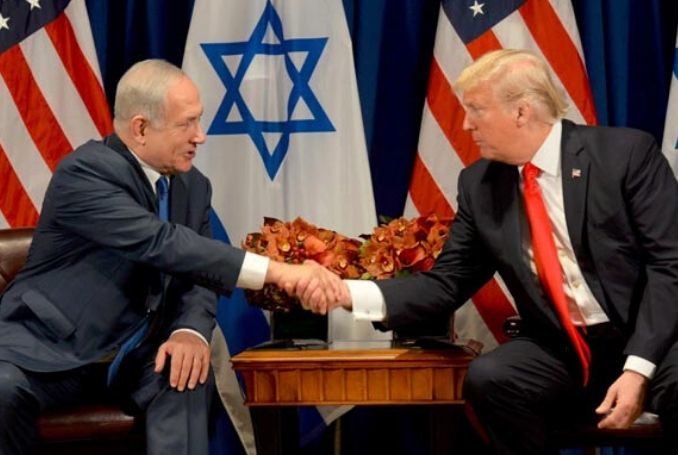
Unpredictable Politics: Trump, Palestine, and the Middle East – A Cairo Review Analysis
In my latest article, I examine the unpredictable nature of Trump’s Middle East policies, particularly on Palestine, and analyze the potential impact of his second term on U.S. relations with the region.
When Partners Become Enemies: Can Netanyahu Maintain Control After the War?
This article is written by Ramzy Baroud, offering an in-depth analysis of the political dynamics surrounding Yoav Gallant’s resignation and Netanyahu’s strategy in the ongoing Gaza war.
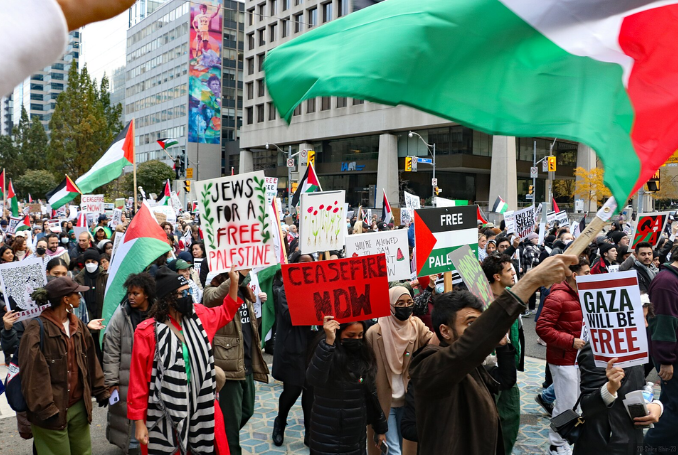
A Nation in Denial: Rebranding Old Fantasies Will Not Save Israel
Since this crowd is motivated by extremist religious ideologies, they are unable to abide by any form of rational thinking, even that emanating from well-regarded Zionist figures inside Israel itself.
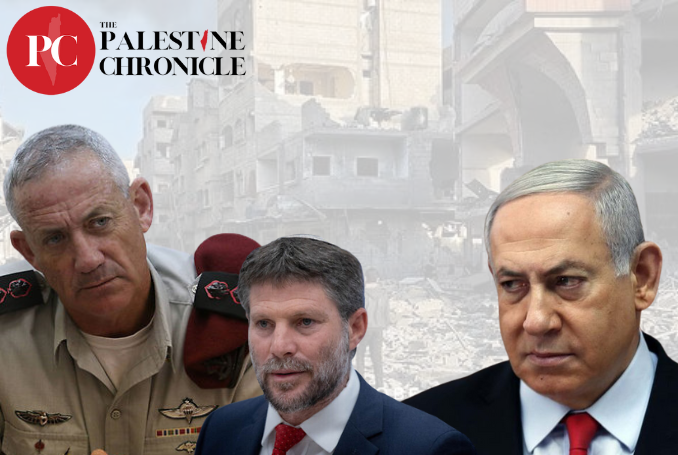
Israel’s Biblical Wars of ‘Self Defense’: The Myth of the ‘Seven War Fronts’
There is a difference between a country fighting a defensive war on multiple fronts and another fighting for colonial expansion.
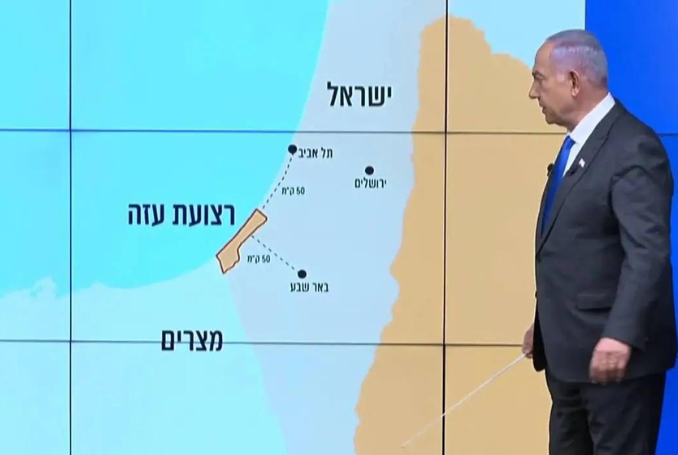
Cartography of Genocide: Why Netanyahu Erased Palestine from the Map
For him, Palestinians are nomadic beings who, by mere historical incident, ventured into his biblical land, in which they have no claim or right.