- October 21, 2026

AUTHOR DETAILS
Our Vision for Liberation: Engaged Palestinian Leaders & Intellectuals Speak Out
Our Vision for Liberation: Engaged Palestinian Leaders & Intellectuals Speak Out aims to challenge several strata of the current Palestine discourse that have led to the present dead end: the American pro-Israel political discourse, the Israeli colonial discourse, the Arab discourse of purported normalization, and the defunct discourse of the Palestinian factions.
Here, engaged Palestinian leaders and intellectuals, those who have been actively involved in generating an ongoing Palestinian discourse on liberation, take into account the parameters of their struggle. Drawing on their own personal experiences as educators, community leaders, spiritual leaders, artists, historians, human rights activists, political prisoners, and the like, they address what has been and what must next be done.
The Final Reckoning: Israel’s Last-Ditch Battle to Win the Media War
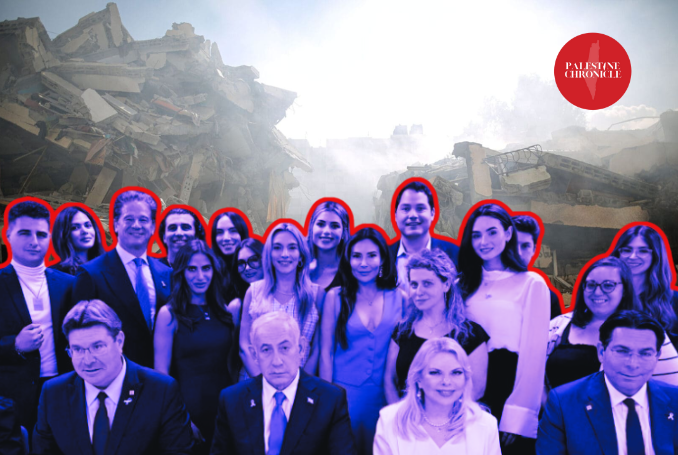
The final reckoning unfolds in the information warzone. The coming months and years mark the most critical fight for truth in the conflict’s history.
The Last Earth:A Palestinian Story
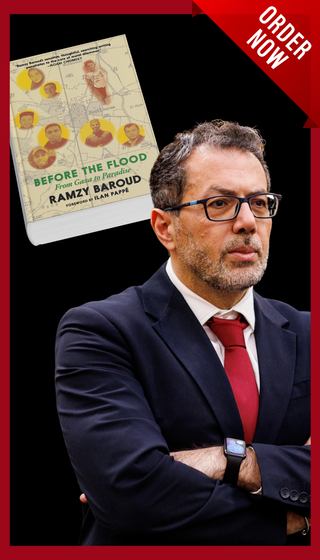
Spanning decades and encompassing war, mass exodus, epic migrations and the search for individual and collective identity, The Last Earth tells the story of modern Palestine through the memories of those who have lived it.
Ordinary Palestinians have rarely narrated their own history. In this groundbreaking book, acclaimed author Ramzy Baroud draws on dozens of interviews to produce vivid, intimate and beautifully written accounts of Palestinian lives – in villages, refugee camps, prisons and cities, in the lands of their ancestors and in exile. Baroud’s empathetic and lyrical approach reveals new human dimensions of the Palestinian saga, telling it as it has never before been told.

My Father Was a Freedom Fighter: Gaza’s Untold Story
This book is a personal account of the daily lives of the people of the frontline of the Palestine / Israel conflict, giving us an insight into the deadly, seemingly never-ending rounds of violence.
Ramzy Baroud tells his father’s fascinating story. Driven out of his village to a refugee camp, he took up arms and fought the occupation at the same time raising a family and trying to do the best for his children.
Baroud’s vivid and honest account reveals the complex human beings; revolutionaries, great moms and dads, lovers, and comedians that make Gaza so much more than just a disputed territory.
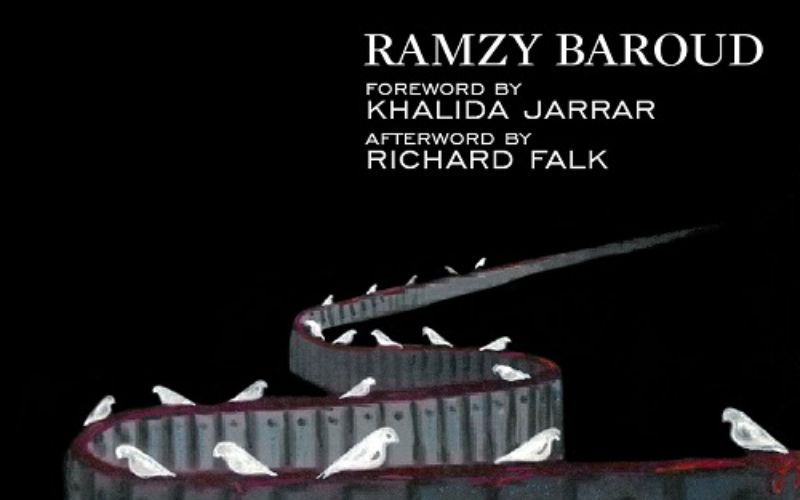
These Chains Will Be Broken: Palestinian Stories of Struggle and Defiance in Israeli Prisons
Since 1967, hundreds of thousands of Palestinians have been imprisoned by Israel, yet their voices are rarely heard. Western media depicts them as “terrorists,” while human rights narratives often cast them as helpless victims.
These Chains Will Be Broken challenges both views through firsthand testimonies that center Palestinian humanity, resilience, and political agency. Rather than cataloging abuses, the stories reveal imprisonment as a site of collective resistance that transcends factional divides. Palestinian prisoners embody a shared struggle against colonialism, apartheid, and military occupation.
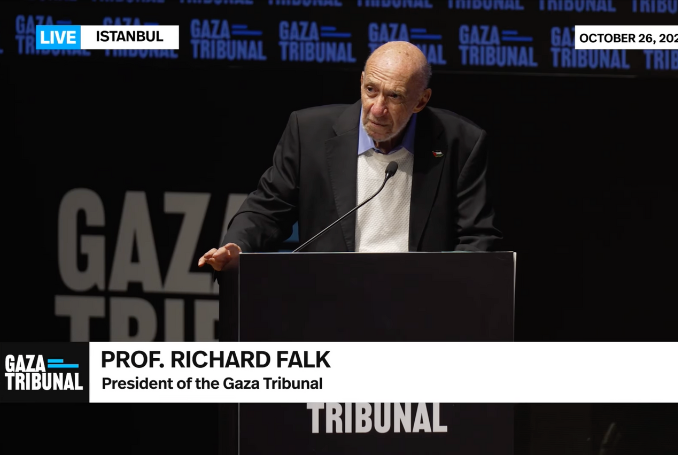
The Gaza Tribunal Verdict: A Blueprint to Shatter Israeli Immunity
The Gaza Tribunal thus becomes a necessary platform for casting educated, evidence-based judgment — the very judgment that should have been adopted by the ICJ and enforced by the UNSC.

L’ultima terra. Una storia palestinese
In L’Ultima Terra, Una storia palestinese, Ramzy Baroud ricostruisce la storia della Palestina attraverso le voci di chi l’ha vissuta in prima persona. Il libro rompe con la storiografia tradizionale per dare spazio alle testimonianze di rifugiati, famiglie sradicate e prigionieri politici, trasformando la memoria individuale in una narrazione collettiva.
Fondendo storia orale, racconto personale e analisi politica, L’Ultima Terra sfida i discorsi dominanti che hanno a lungo negato ai palestinesi il diritto di raccontarsi. È un’opera che restituisce centralità all’esperienza umana della Nakba, dell’esilio e della resistenza, affermando che la storia palestinese non è solo perdita, ma anche dignità, sumoud e legame con la terra.

Notre Vision pour la Libération: Des Personnalités Palestiniennes s’Expriment
Notre Vision pour la Libération vise à remettre en question les récits entremêlés qui ont conduit à l’impasse actuelle : le discours politique pro-israélien américain, le discours colonial israélien, le discours arabe de la prétendue normalisation et le discours défunt des factions palestiniennes. Aucun ne promeut la justice, aucun n’a apporté de solution, aucun n’est de bon augure pour l’une ou l’autre des parties concernées.
Educateurs, responsables communautaires, chefs spirituels, artistes, historiens, militants des droits humains, prisonniers politiques, journalistes, médecins, trente personnalités s’appuient sur leurs expériences pour retracer ce qui a été fait et ce qui devrait être réalisé à l’avenir, d’une manière qui reflète non seulement les aspirations des Palestiniens, mais aussi leur vision de ce qui est possible.

أبي ذلك المناضل، قصة غزة التي لم تُروَ بعد
ليس التاريخ ما يكتبه المنتصرون، فهؤلاء يوظفون قوة انتصارهم لفرض روايتهم عمّا يجب أن يكون التاريخ. هذه الحقيقة أدركها رمزي بارود، فتحدّى السردية الغربية الشائعة عن غزة وفلسطين، تلك التي كتبها الغزاة، وترك مهمة الكتابة للضحايا أنفسهم. فجاءت الرواية واقعية وصادقة، مشبعة بالكارثة والبطولة معاً. إنها شهادة عن حياة تُعاش على خطوط المواجهة، حيث العنف ليس حدثاً عابراً بل واقعاً دائماً يطبع الوجود الفلسطيني.
لم يخترع الكاتب تاريخاً، بل استمده من حياته العائلية الفلسطينية، ومن سيرة والده الذي اقتُلع من قريته إلى مخيم لجوء، فحمل السلاح في مواجهة الاحتلال، وربّى أسرة وسط القصف والتشريد. لم يكتب كتابه للعرب، بل للغربيين بلغتهم، مخاطباً بيئة احتضنت المشروع الصهيوني وشرّعت جرائمه. ورغم إدراكه لقدرة إسرائيل العسكرية على تغيير الجغرافيا، بقي مؤمناً بأن إرادة الفلسطينيين هي التي تصنع التاريخ، وأن نضال غزة وأهلها لن يضيع سدى.
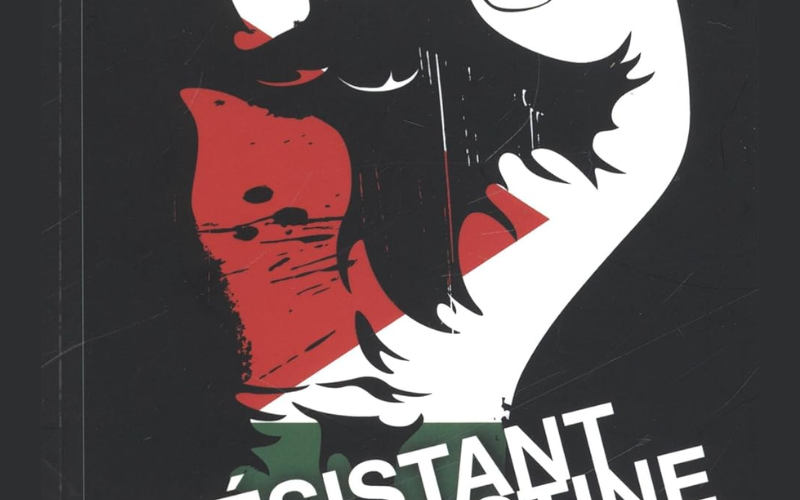
Résistant en Palestine: Une histoire vraie de Gaza
Ligne de front dans le conflit entre Israël et les Palestiniens, Gaza est systématiquement dépeinte comme un lieu de violence et de terreur. Ramzy Baroud explore la vie quotidienne des habitants de cette région tourmentée, nous donnant à comprendre ce qui est en danger dans chaque nouvelle explosion de violence.
Son livre raconte la fascinante histoire de son père : chassé de son village et parqué dans un camp de réfugiés, il a courageusement combattu l’occupation tout en élevant sa famille.
Ce récit vivant et sans concession nous révèle des êtres humains complexes qui font de la Bande de Gaza bien plus qu’un simple territoire contesté.
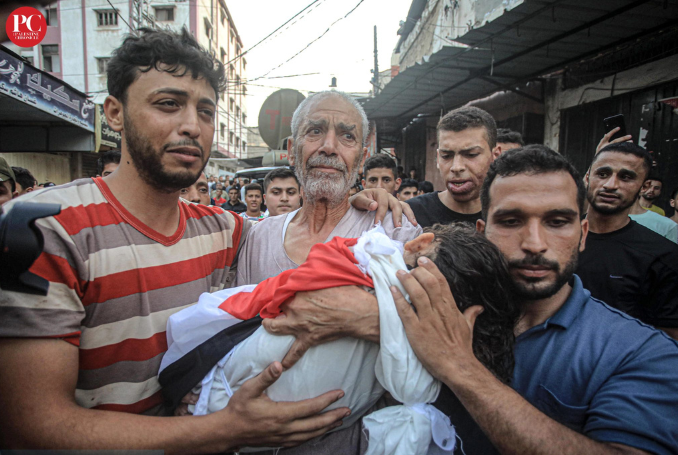
Measuring Defiance in 2025: How Palestinian Sumud Challenged the Israeli War and the West’s Complicity
The year concludes with some somber numbers, but also much hope and the legendary sumud among ordinary Palestinians.
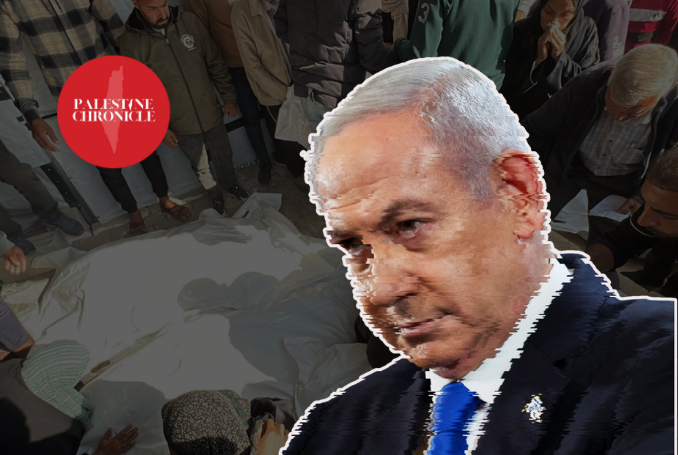
Netanyahu’s Endgame: Isolation and the Shattered Illusion of Power
It remains uncertain how long Netanyahu will remain in power, but his political standing has significantly deteriorated. He faces widespread domestic opposition and international condemnation.

Gaza’s Graveyard of Illusions: How Israel’s Narrative Collides with Military Failure
Israel has clearly failed to secure any genuine or lasting victory, and the obvious solution is for Israel to be reined in and held accountable for its crimes in Gaza and throughout Palestine.
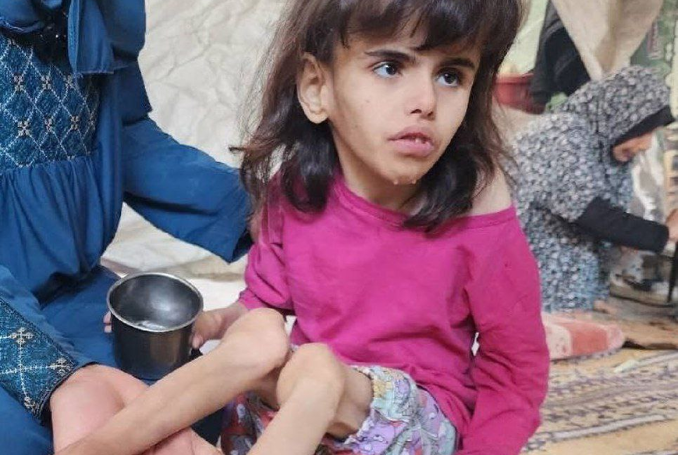
The Price of Silence: Gaza’s Famine and the Erosion of Our Humanity
The inability to ensure basic aid to Gaza will profoundly question our shared humanity for years to come.
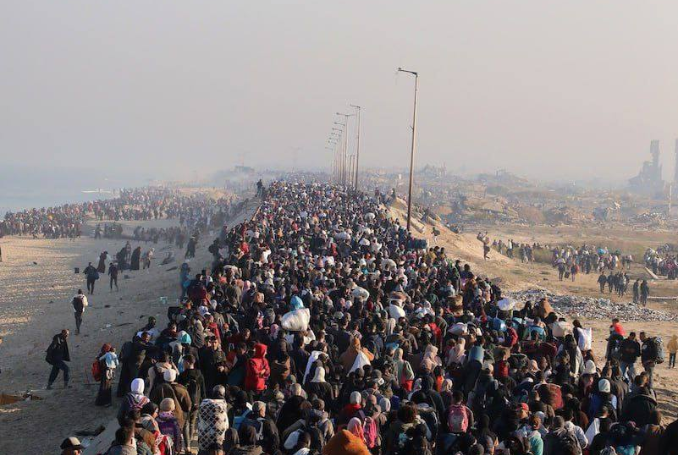
The Myth of Conquest: Why Gaza Will Never Be Subdued by Israel
Israel itself is acutely aware of this inherent paradox, hence its immediate and brutal choice: the perpetration of a genocide, a horrific act intended to pave the way for the ethnic cleansing of the remaining survivors.
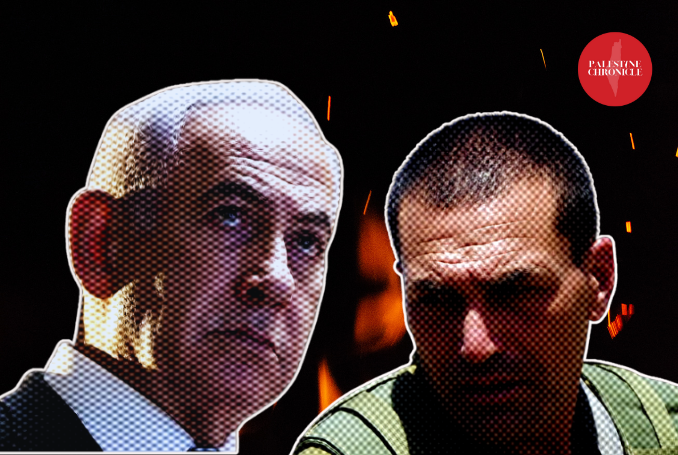
Screaming Soldiers and Open Revolt: How One Video Unmasked Israel’s Internal Power Struggle
Eyal Zamir, who had already committed that “2025 will be a year of war,” seems less inclined now to escalate the war beyond Israel’s ability to sustain it.
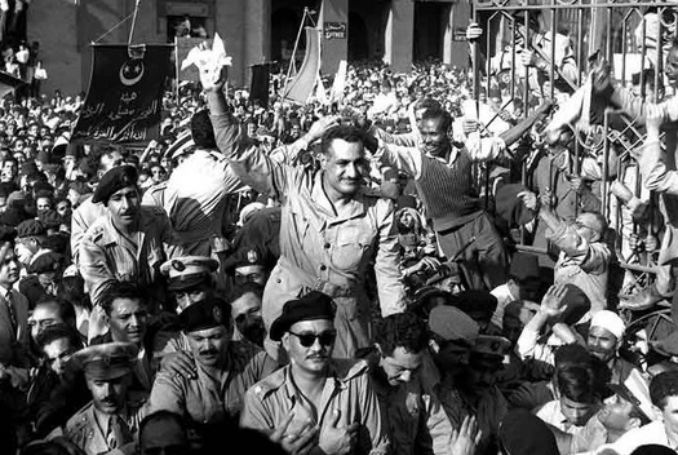
Unveiling Nasser’s Secrets: Arabs, Palestine, and the Crucial Timing
Palestinians’ expectations from the Arab world have shifted. They no longer seek a call to arms or a comprehensive embargo on Israel, but rather the cessation of any actions that support the adversary against the two million besieged people in Gaza.
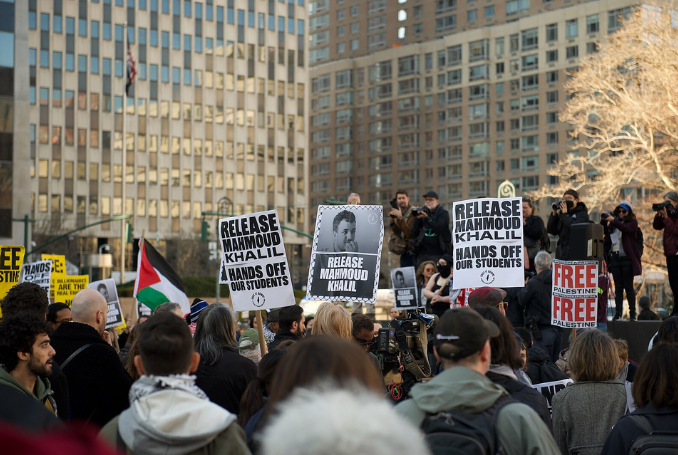
Deporting Dissent: The Dangerous Precedent Set by the Persecution of Pro-Palestine Activists
While US activists advocating for justice in Palestine deserve unwavering support and defense for their profound courage and humanity, Americans must also recognize that they, and the remnants of their democracy, are equally at risk.
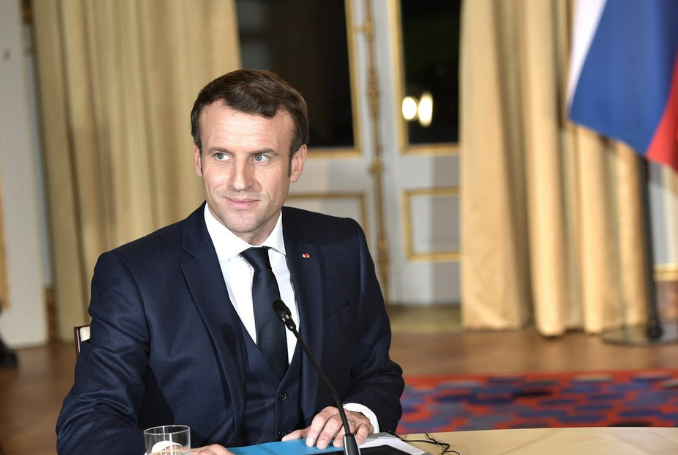
French Contradictions: Macron’s Palestine Play – Too Little, Too Late?
The fact that France would be among the last group of countries in the world to formally recognize Palestine, speaks volumes about France’s apparent attempt to belatedly align itself with the prevailing global consensus.
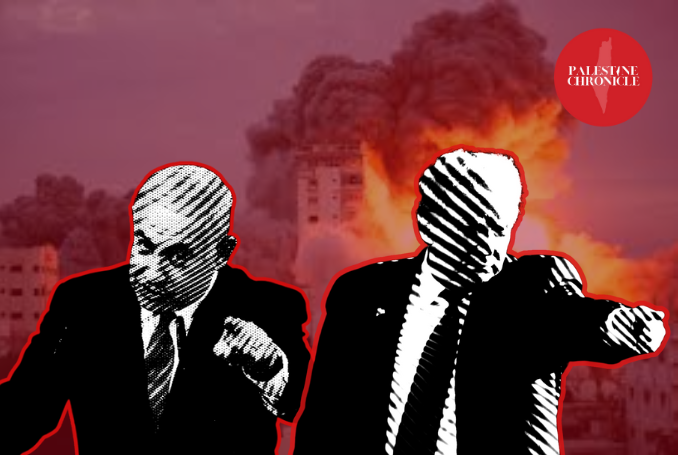
Beneath the Surface: Is the Trump-Netanyahu ‘Unthinkable’ About to Erupt?
Netanyahu’s political standing is diminished. He is perceived as a failed political leader and military strategist, unable to secure decisive victories or extract political concessions from his adversaries.