- October 21, 2026

AUTHOR DETAILS
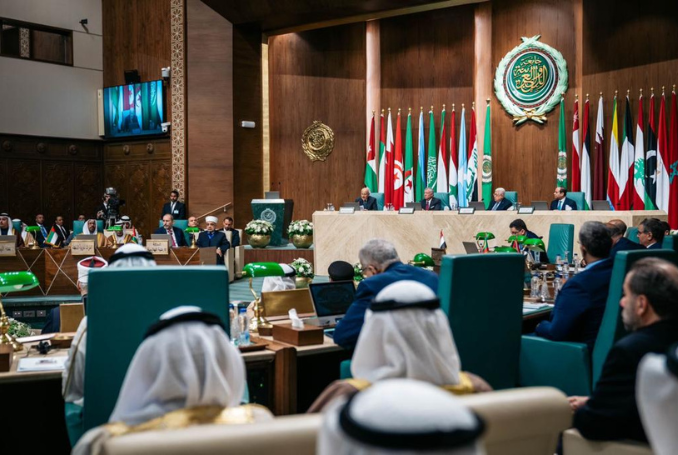
The November Fallacy: Why the Middle East Must Reclaim Its Agency
If we remain dependent on US dictates and cues, we are merely subjects of an empire, discounting our own sense of agency and our own internal dynamics.
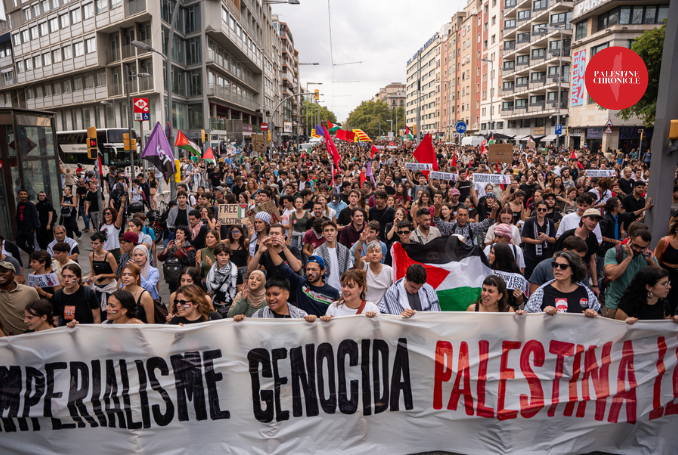
Europe’s Moral Crisis: The Crumbling Shield around Israel
Europe now knows that a genocide has been committed. This paradigm shift is unlikely to be reversed, regardless of whether Luxembourg’s bureaucrats manage to delay the inevitable.
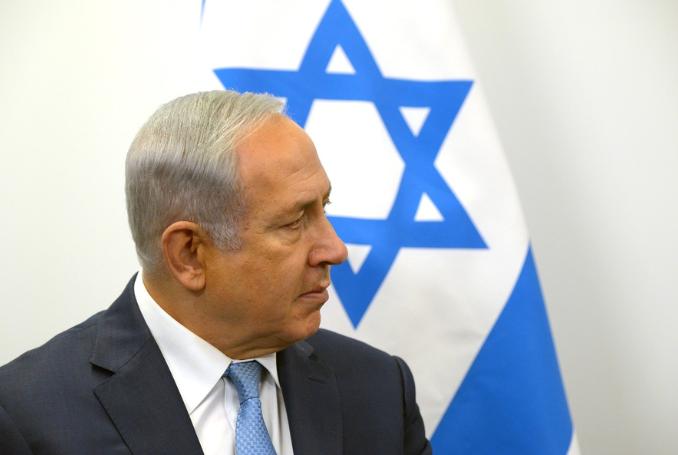
Beyond One Man: Why Israel’s Wars Will Not End with Netanyahu
To break this paradigm, Palestinians must generate leverage—real leverage. This cannot come from futile negotiations or appeals to long-ignored international law.
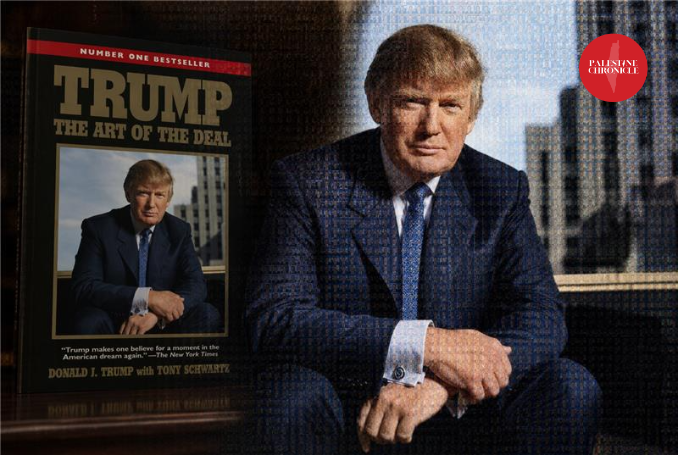
‘Art of the Deal’ Reversed: How Netanyahu Exploited Trump, Accelerated American Decline
Those who purchased and invested time in reading Donald Trump’s ‘The Art of the Deal’ should exercise caution.
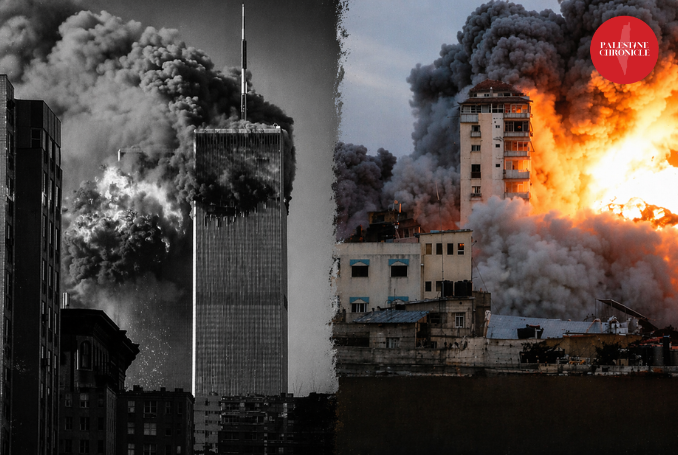
The Cowardice of Qualification: When Anti-War Voices Speak the Language of Empire
Even those who oppose war often do so within a framework shaped by the very systems of power they claim to challenge.
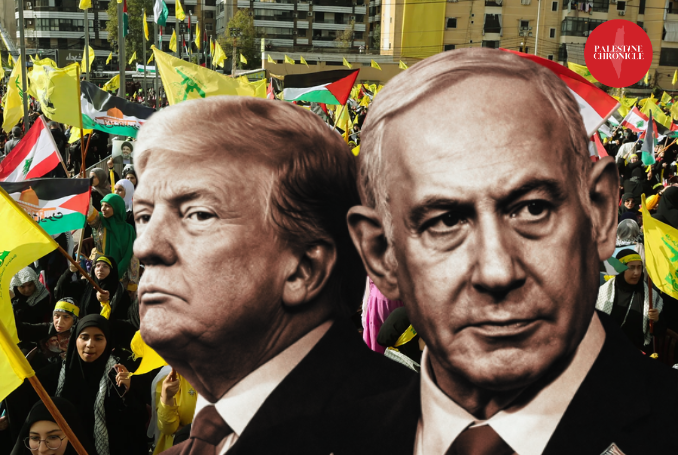
The Collapse is Real – Lebanon Ceasefire Marks a Historic Strategic Defeat
The balance is finally shifting. For the first time in decades, the trajectory of history is no longer bending in Israel’s favor.
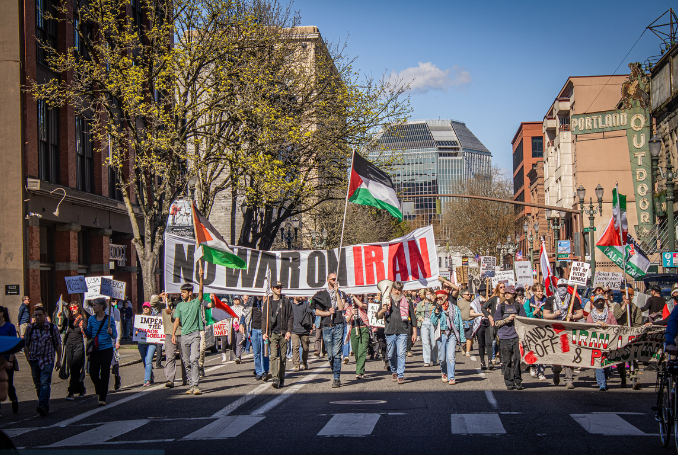
A Reason for Optimism: America’s Moral Break with Endless War
Ordinary Americans are no longer passive recipients of power, but active participants in shaping a more morally conscious political reality.
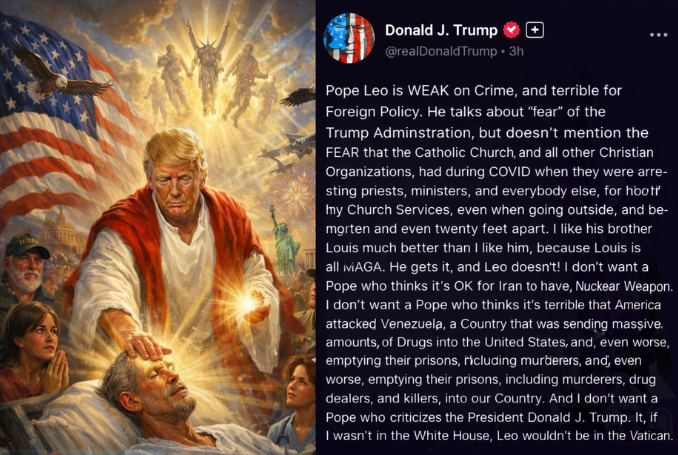
Not US Foreign Policy as Usual—Who Will Stop Donald Trump?
Outside of a small number of dissenting voices, there is no sustained institutional effort to check presidential power. Congress has not mobilized in any meaningful way.

The Gallows Law: Israel Moves Toward Executing Palestinian Children
Though the law itself does not explicitly mention children, it does not exclude them either. Knowing Israel’s treatment and legal classification of Palestinian children, this distinction is not minor—it is decisive.
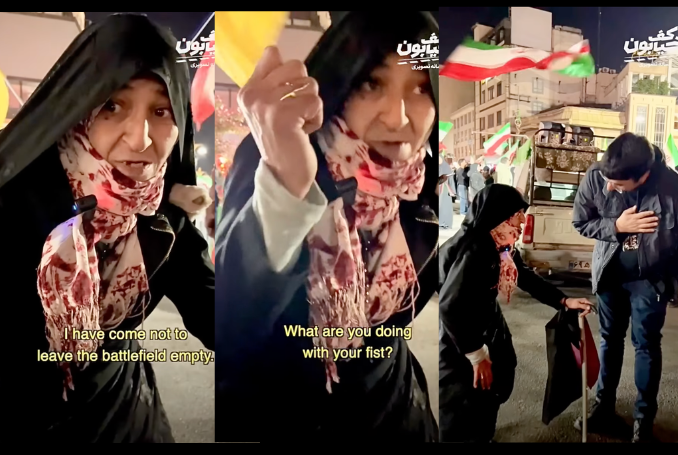
‘I Can Clench My Fist’: The Old Woman of Tehran Who Defeated Donald Trump
Power is a condition of being. And that old woman of Tehran—who refuses to leave the ‘battlefield empty’—is its most authentic manifestation.
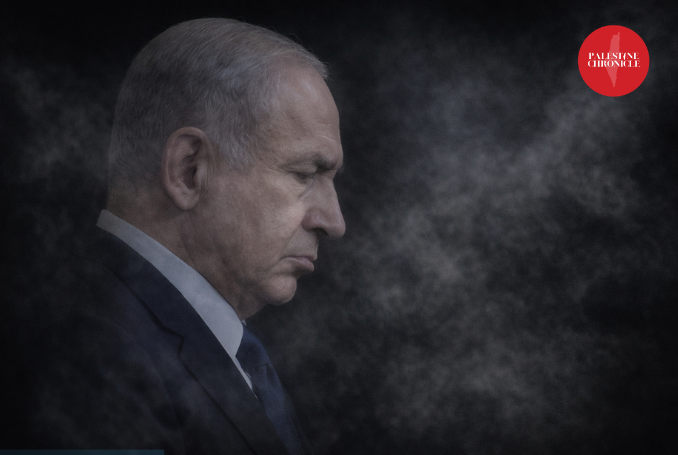
Seven Messages – Can Israel Survive Defeat without Setting the Region Ablaze?
Israel is as dangerous in defeat as it is in victory. Indeed, Lebanon, today, is paying the price of Israel’s strategic failure in Iran.
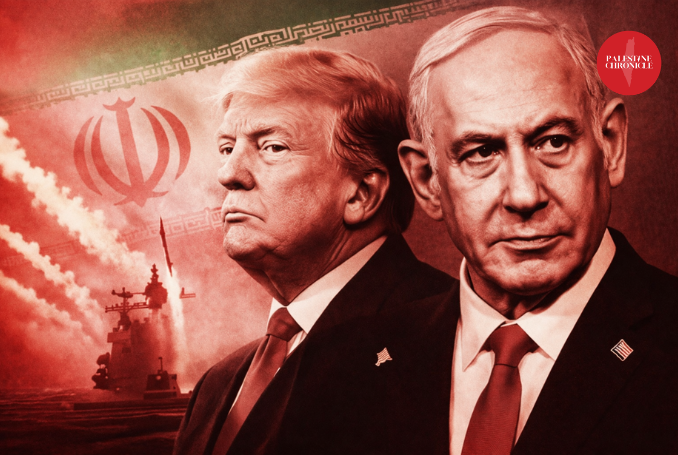
After Iran: Is This the Unraveling of the US-Israeli Order?
The coming days and weeks are decisive, for an outcome of this magnitude cannot pass without major geopolitical consequences—regionally and globally.

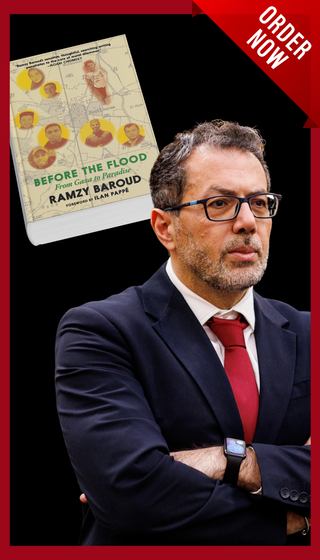
Baroud’s ‘Before the Flood’: A People’s History of Palestine Told on Redacted
On Redacted, Baroud presents Before the Flood as a people’s history of Palestine rooted in memory and resistance.

‘Macron – Whose Wife Treats Him Extremely Badly’: Trump’s Iran War Unraveling
Trump’s attack on Macron reflects a deeper crisis as war contradictions mount and allies become targets of blame.

Dr. Abu Safiya Faces Death in Israeli Detention — But Action is Still Possible
Standing amid the ruins outside Kamal Adwan Hospital, surrounded by destruction, he walked alone in his white coat toward advancing Israeli armored vehicles.
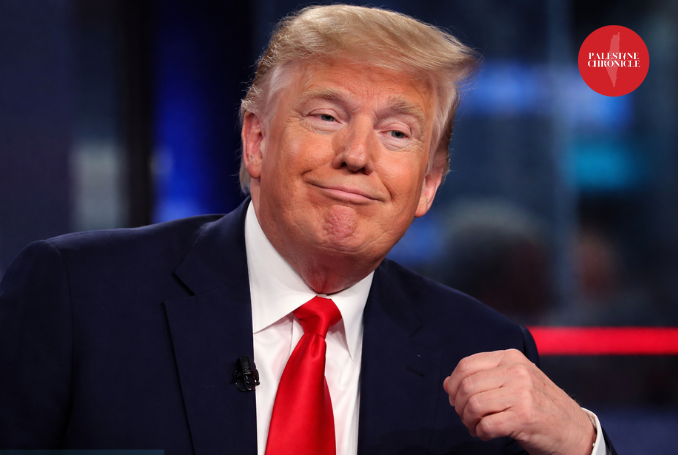
Trapped by His Own Image: Trump’s Iran War and the Politics of Ego
The US-Israeli war on Iran is a geopolitical catastrophe shaped, in no small part, by the psychology of a leader unwilling to confront the consequences of his own disastrous decisions.
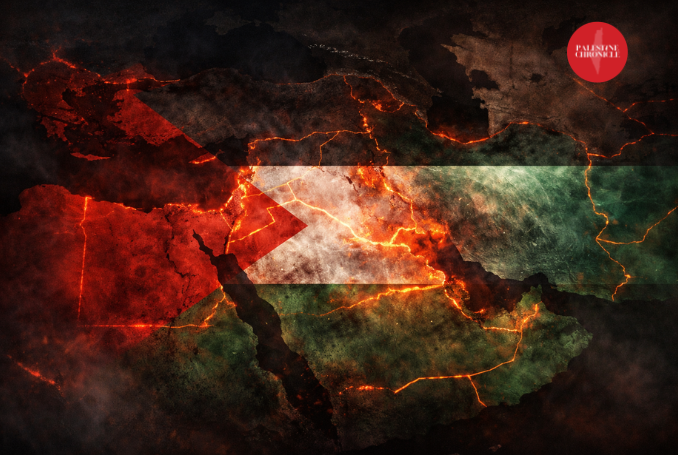
Will the US-Israeli War on Iran Open the Road to Palestinian Freedom?
The challenge now is not simply to recognize that change is underway, but to understand its depth and direction, so as not to remain confined to partial readings of the war on Iran.
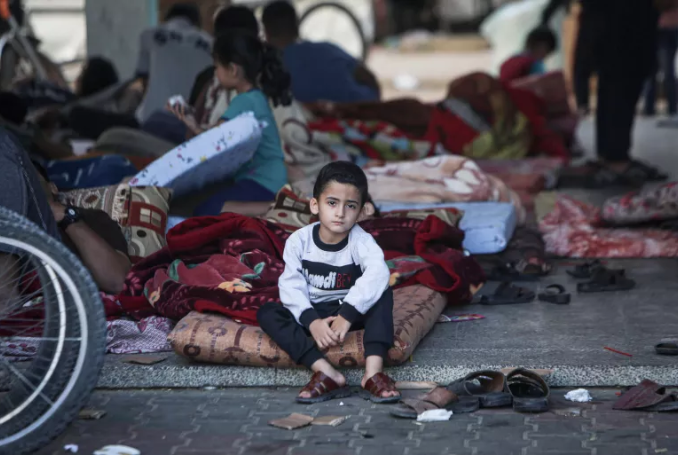
From Gaza to Minab, the Same Story — Children Paying the Price of War
International law, once seen as a shield, has become little more than a point of departure for conversations about its ineffectiveness and hypocrisy.
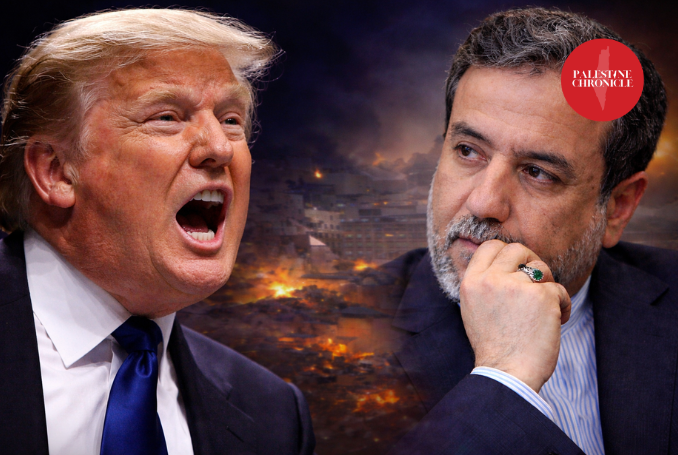
Yes, Iran is Playing Chess — But Only After Rewriting the Rules of the Game
Some may argue that Iran is not merely playing chess, but rewriting its rules. That, perhaps, is the most unsettling realization of all.
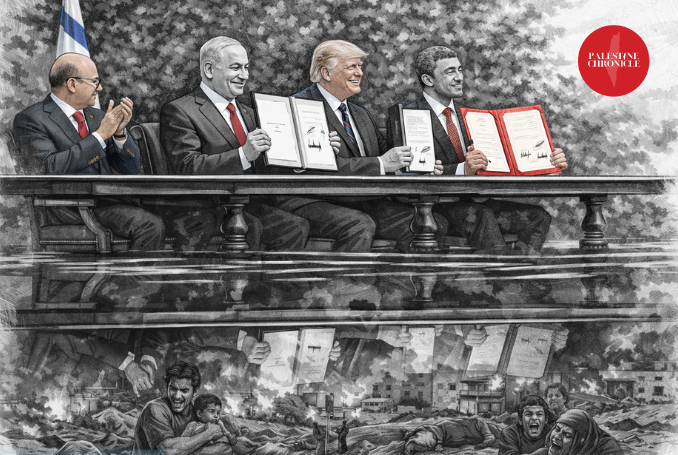
From Palestine to Iran: What Arab and Muslim Silence Really Reveals
Why Arab regimes failed Palestine—and why asking the question obscures deeper structures of power, complicity, and regional political alignment.