- March 6, 2026

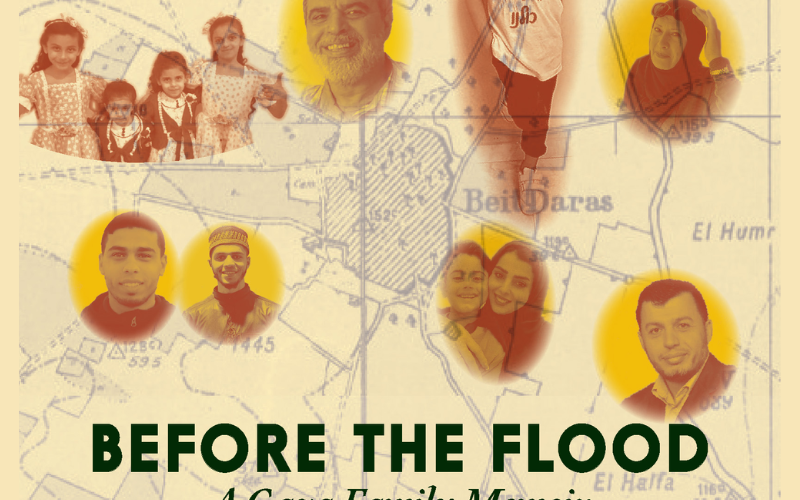
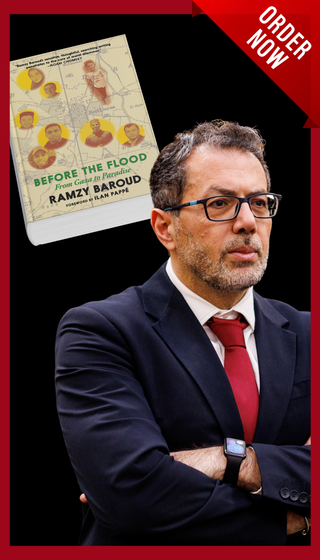
Before the Flood: A Gaza Family Memoir
Before the Flood: A Gaza Family Memoir is a profound exploration of Palestinian history and resilience through the personal stories of the author’s family—the al-Badrasawis. Beginning with intimate details of village life in Beit Daras prior to the Nakba, Ramzy Baroud vividly portrays the rich cultural heritage, deeply rooted traditions, and daily struggles faced by ordinary people whose lives were radically disrupted by the violent upheavals and ongoing conflicts driven by British colonialism and Zionist aggression.
Baroud weaves together past and present, illuminating how historical forces shaped the collective consciousness and steadfast resilience of the Palestinian people. His storytelling reveals not only the harsh realities of occupation, displacement, and loss but also the extraordinary courage, faith, and solidarity that underpin a powerful and enduring spirit of resistance, encapsulated in what the author refers to as the Palestinian “longue durée.” Ultimately, Baroud aims to humanize and reclaim Palestinian narratives from distorted portrayals, highlighting their perseverance and the universal quest for justice and liberation.
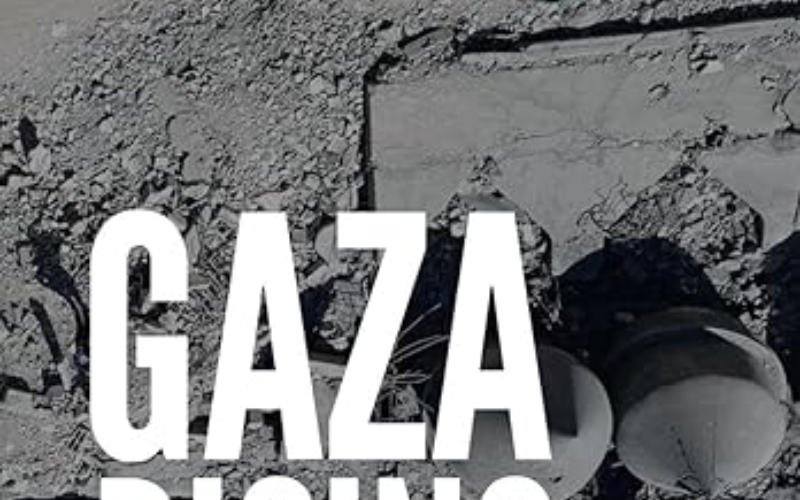
Gaza Rising: Voices from the Rubble
Drawing on the voices of Gaza’s own intellectuals, journalists, doctors, teachers, artists, and community leaders, Gaza Rising: Voices from the Rubble highlights the resilience of a people determined to endure despite overwhelming devastation.
Since October 7, 2023, Gaza has faced its most catastrophic assault yet, with the destruction extending far beyond homes to hospitals, schools, civil institutions, and cultural life itself. By late 2024, most of the Strip had been rendered uninhabitable, leaving nearly the entire population displaced. Yet even amid the systematic targeting of every sector of society, Gaza’s people continue to assert their existence, raising a profound question: can a people so deeply rooted ever truly be erased?
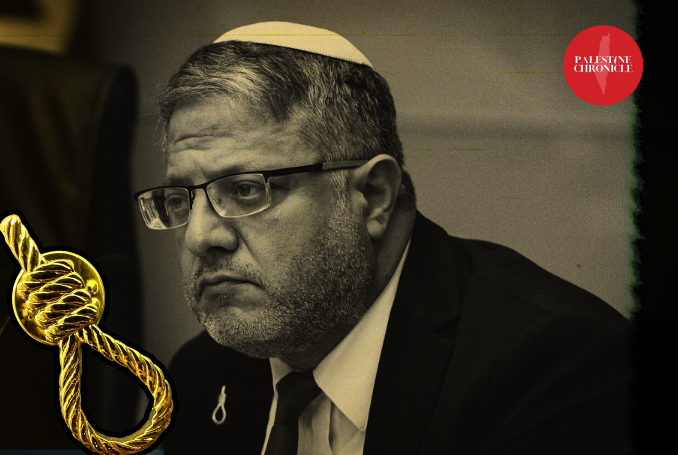
The Noose of Ben-Gvir: Why Only Israel’s Narrative of Annihilation is Actionable
Only real accountability — through political, legal, and economic pressure — can halt Israel’s advance toward continuing its genocidal campaign.
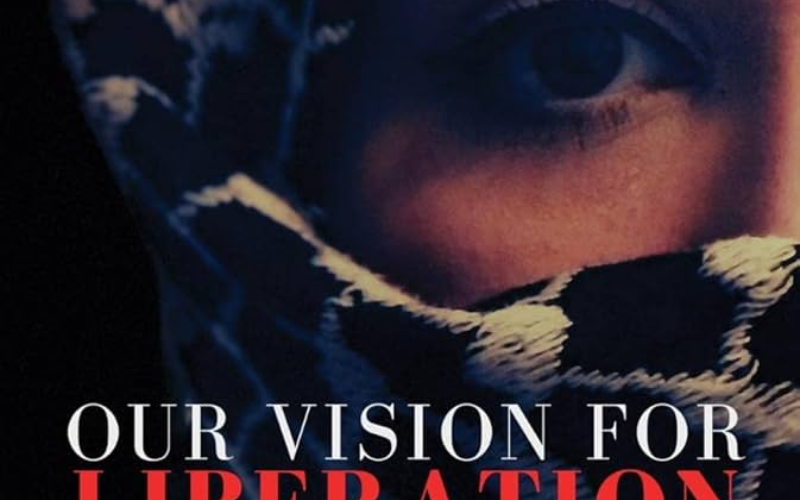
Our Vision for Liberation: Engaged Palestinian Leaders & Intellectuals Speak Out
Our Vision for Liberation: Engaged Palestinian Leaders & Intellectuals Speak Out aims to challenge several strata of the current Palestine discourse that have led to the present dead end: the American pro-Israel political discourse, the Israeli colonial discourse, the Arab discourse of purported normalization, and the defunct discourse of the Palestinian factions.
Here, engaged Palestinian leaders and intellectuals, those who have been actively involved in generating an ongoing Palestinian discourse on liberation, take into account the parameters of their struggle. Drawing on their own personal experiences as educators, community leaders, spiritual leaders, artists, historians, human rights activists, political prisoners, and the like, they address what has been and what must next be done.
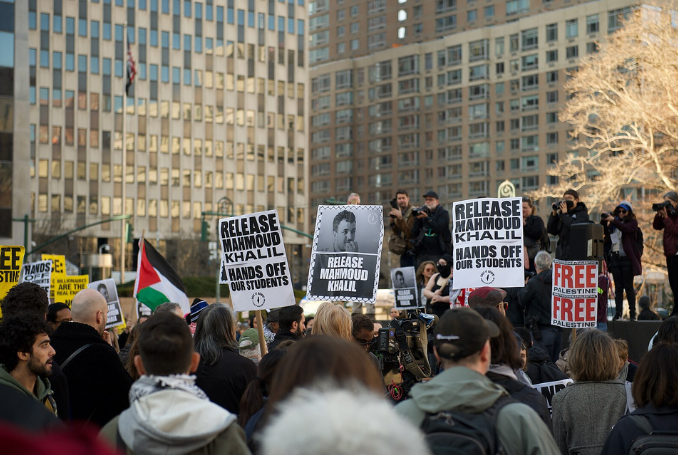
Deporting Dissent: The Dangerous Precedent Set by the Persecution of Pro-Palestine Activists
While US activists advocating for justice in Palestine deserve unwavering support and defense for their profound courage and humanity, Americans must also recognize that they, and the remnants of their democracy, are equally at risk.
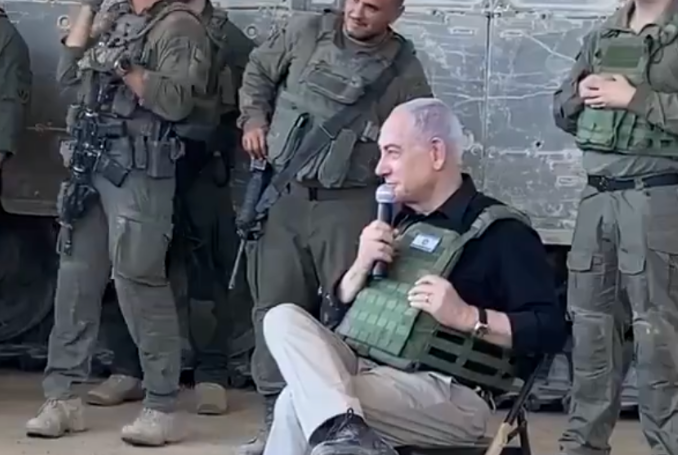
Zionism on the Brink: The Gaza War Beyond Netanyahu
Even if the Israeli right has lost all faith in Netanyahu, without him as a unifying figure, all is lost, not only the chances of the far-right camp to redeem itself, but also the very future of Zionism.
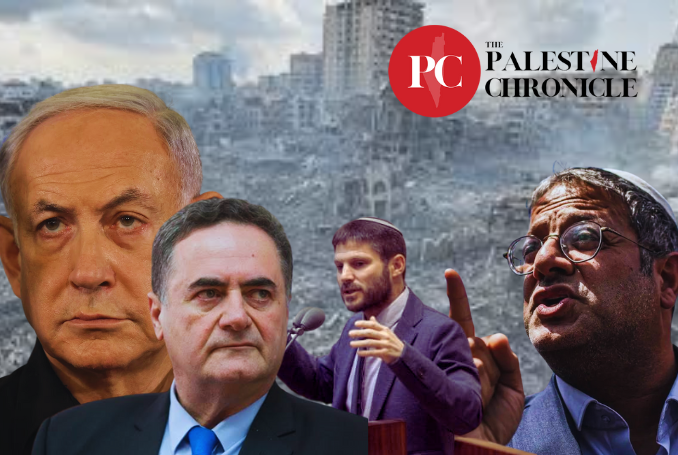
Zionism and the Annihilation of Gaza: The Problem in Palestine is Not Political, but Ideological
All of this – the language of genocide, the genocide itself and the threats of committing a greater genocide – is rooted in Zionism.
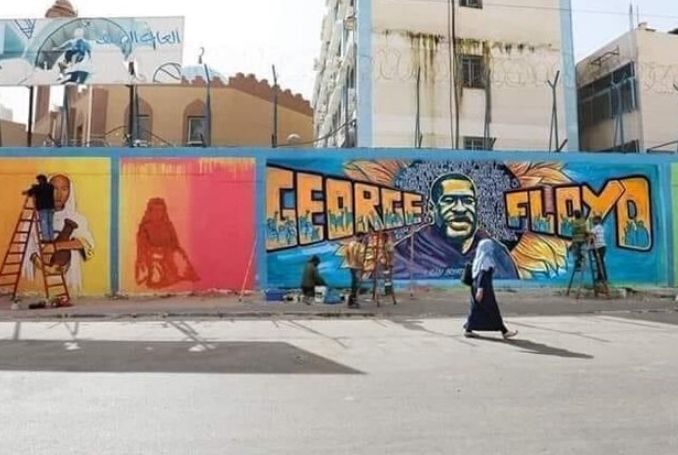
Ours is an Indigenous Struggle: How Gaza United the World
The consequences of this war will certainly be felt for many years to come, not only in Palestine or even the Middle East, but worldwide as well.

No Peace without Justice: Gaza Has Just Vanquished a 20-Year-Old Israeli Plan
The Israeli plan, however, was not a complete success. Palestinians continued to lead a massive campaign of resistance, involving all aspects of society in Gaza, the West Bank and Jerusalem.

Glorifying Hate: Golda Movie Shows that Zionism Remains Unrepentant
A new movie glorifying the legacy of Zionist leader and Israel’s fourth Prime Minister, Golda Meir, has been released in selected theaters in the US and Europe.
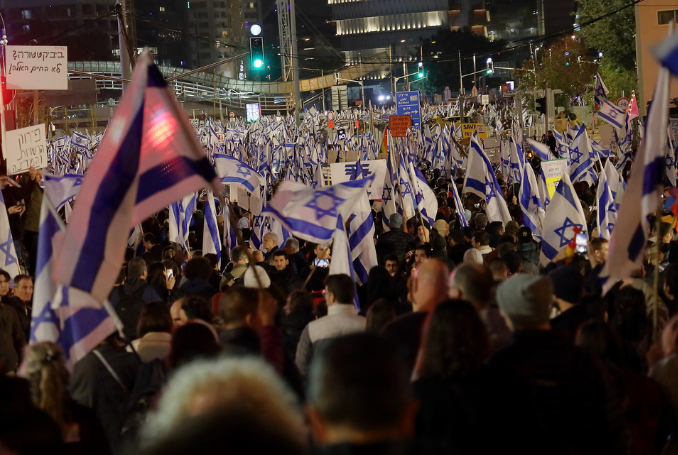
Balancing Act is over: Israeli Protests are Not about Democracy, but Ideology
Ideological shifts do not appear and disappear overnight. Regardless of the outcome of Israel’s protests, the ideological shifts in Israel are seismic and long-lasting.
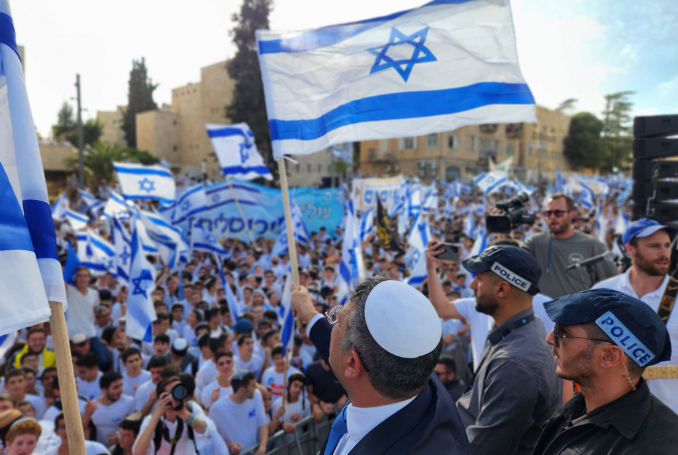
Not On Our Dime!’: Why US Democrats Are Growingly Challenging Israel
Time will tell what direction Washington will take in the future. But, considering the current evidence, support for Israel is dwindling at rates that are unprecedented.
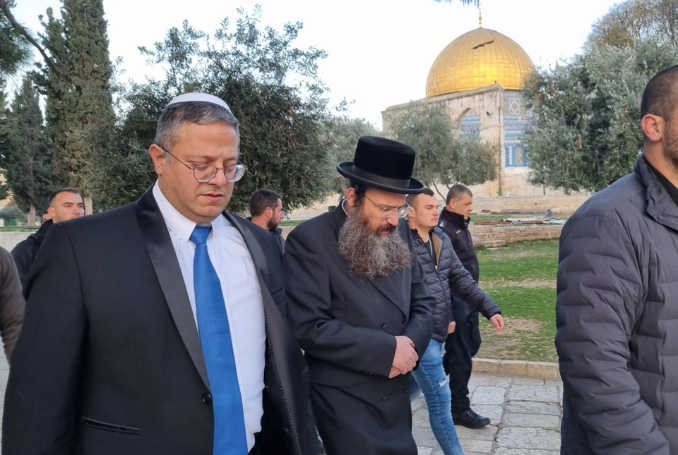
Quest for Religious War: How Israel is Unifying Arabs and Muslims around Palestine
Though Palestinians do not see themselves fighting a religious war, protecting their religious symbols stands at the core of their larger fight for freedom, justice and equality.
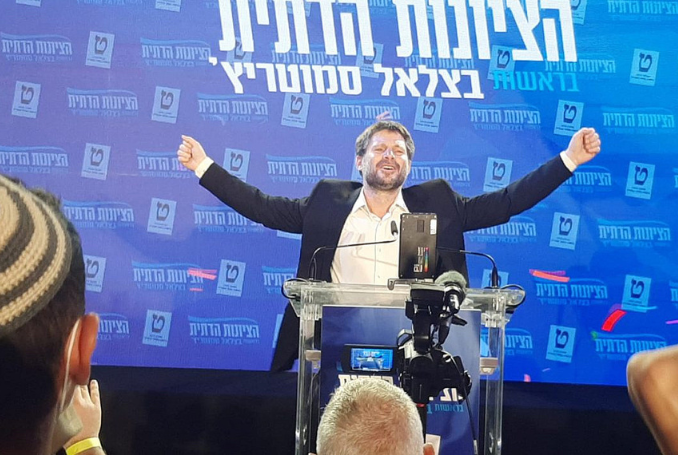
Selective Outrage in Palestine: The Problem is Not Just Smotrich but Zionism
Condemning Smotrich’s comments, while continuing to embrace Israel and celebrate Zionism is not only hypocritical, but also useless.
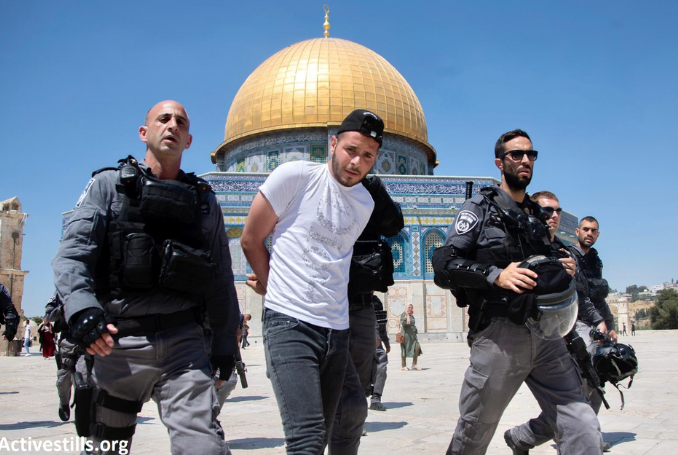
It Has Always Been a ‘Religious War’: On Ben Gvir and the Adaptability of Zionism
The Zionists, whether ‘political Zionists’ like Theodore Hertzl or ‘Spiritual Zionists’ like Ahad Ha’am’ – and now Netanyahu and Ben Gvir – have all used the Jewish religion to achieve the same end, colonizing all historic Palestine and ethnically cleansing its native population.
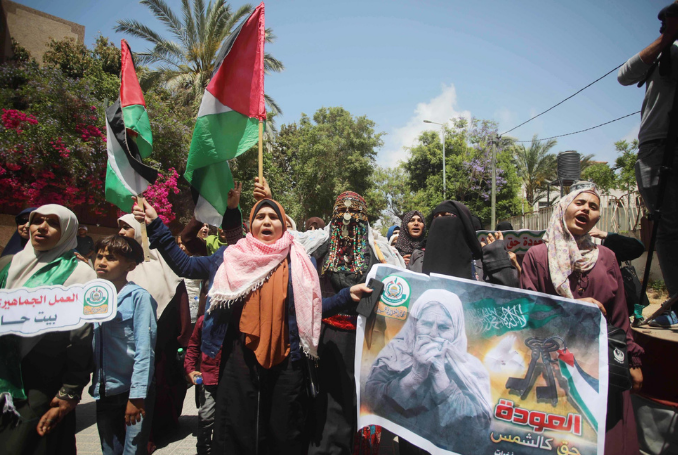
Right of Return: Nakba is Back on Palestinian Agenda
And since the Nakba and the subsequent ethnic cleansing of Palestinian refugees are the common denominator behind all Palestinian suffering, the term and its underpinnings are back at center stage of any meaningful conversation on Palestine, as should have always been the case.
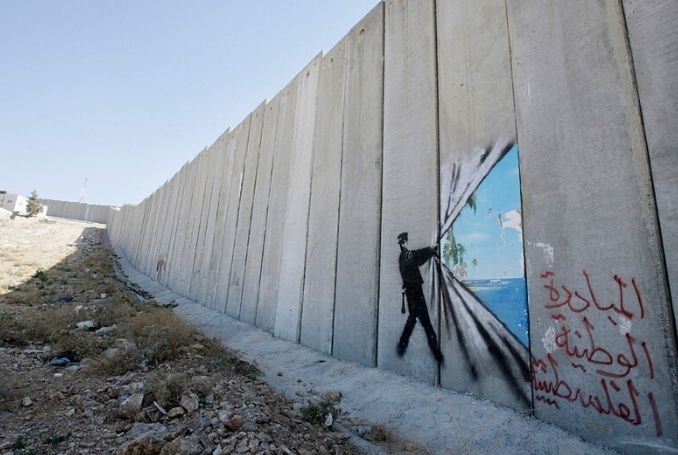
From the ‘Iron Wall’ to the ‘Villa in the Jungle’: Palestinians Demolish Israel’s Security Myths
Until Israel abandons its foolish ‘security’ fantasies, there can never be true peace in Palestine, neither for the occupied and oppressed Palestinians, nor for the Israeli occupiers.
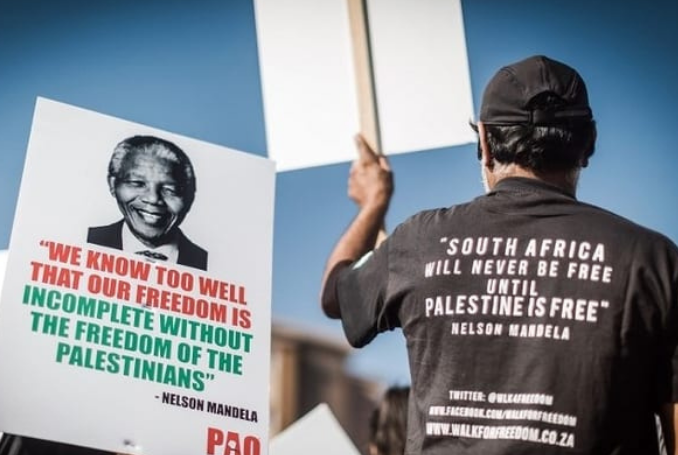
Palestine’s Africa Dichotomy: Is Israel Really ‘Winning’ Africa?
Africa is also the heart of the most powerful anti-colonial trends the world has ever known. A continent of this size, complexity, and proud history cannot be written off as if a mere ‘prize’ to be won or lost by Israel and its neocolonial friends.

Say This, Don’t Say That: Time to Confront the Misleading Language on Palestine, Israel
It will not be easy to deconstruct the seemingly endless edifice of lies, half-truths, and intentional misrepresentations of Zionist Israeli colonialism in Palestine.
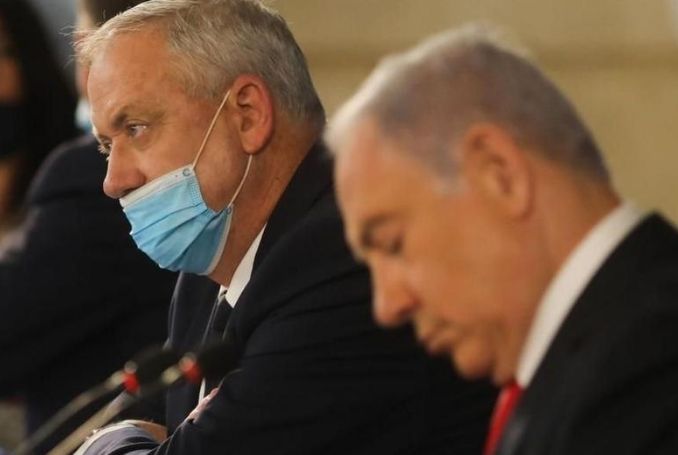
A Country in Turmoil: Why Netanyahu is a Symptom, Not Cause of Israel’s Political Crisis
Without a clear ideology, especially when combined with the lack of a written Constitution, Israeli politics will remain hostage to the whims of politicians and their personal interests, if not that of Netanyahu, then of someone else.