- March 6, 2026

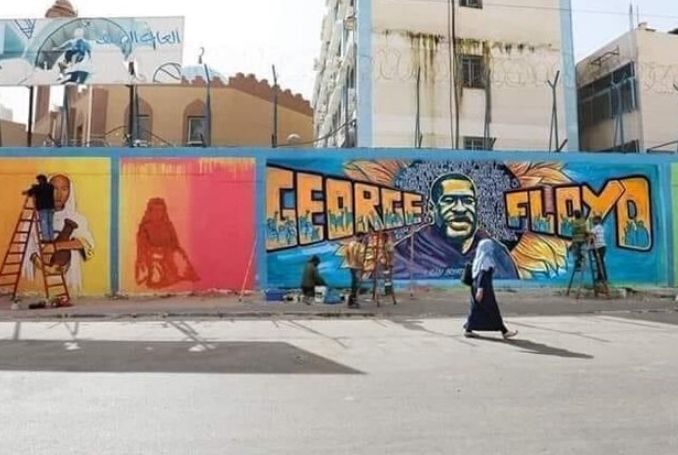
Ours is an Indigenous Struggle: How Gaza United the World
The consequences of this war will certainly be felt for many years to come, not only in Palestine or even the Middle East, but worldwide as well.
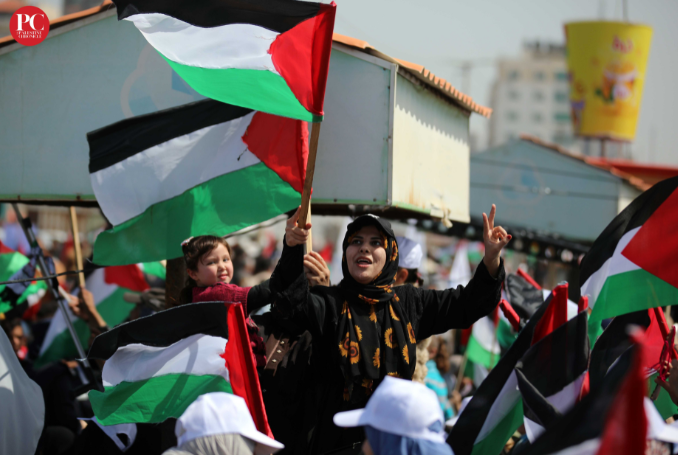
Israel Will Not Defeat Gaza: A Lesson from History
The truth is Israel has no military option in Gaza, and those who support whatever military strategy Tel Aviv has in mind, are equally deluding themselves.
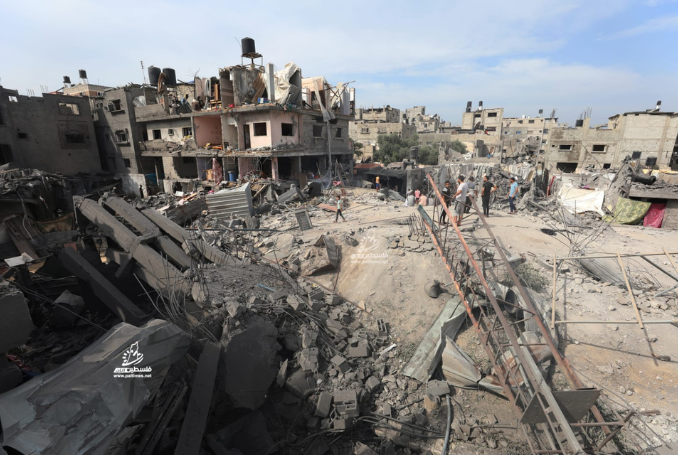
Justice is Non-Negotiable: Why Israel Cannot Destroy Palestinian Resistance
It is time for us to speak about justice – real justice – the outcome of which is non-negotiable: equality, full political rights, freedom and the right of return.
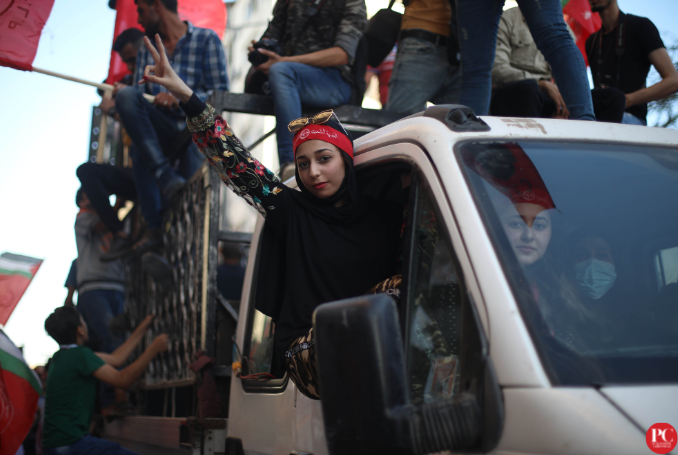
The Gaza Manifesto: Why America’s Old Middle East is Crumbling
To think that tiny little Gaza is the spark that has refocused the energies of the whole region is a political miracle.

No Peace without Justice: Gaza Has Just Vanquished a 20-Year-Old Israeli Plan
The Israeli plan, however, was not a complete success. Palestinians continued to lead a massive campaign of resistance, involving all aspects of society in Gaza, the West Bank and Jerusalem.

The Gaza Inferno: Palestine Cannot Be Left alone, Anymore
For this vicious cycle to break, Palestine must, once more, become an issue that concerns all Arabs, the whole region.
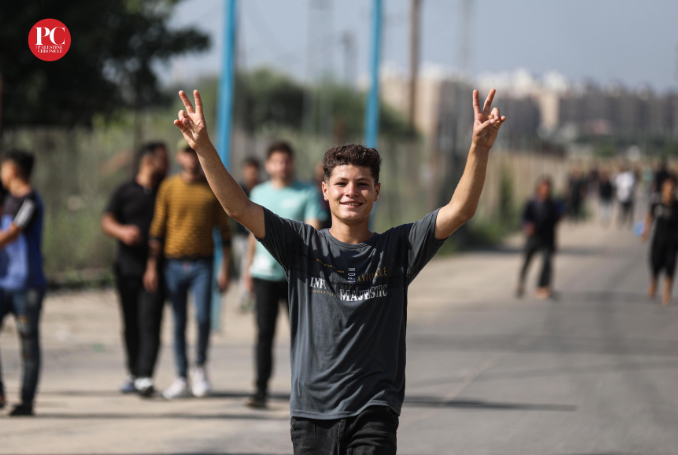
A Day to Remember: How ‘Al-Quds Flood’ Altered the Relationship between Palestine and Israel Forever
What is crystal clear is that the fundamental relationship between the Israeli occupation and occupied Palestinians after October 7, 2023, is likely to be altered, and permanently so.
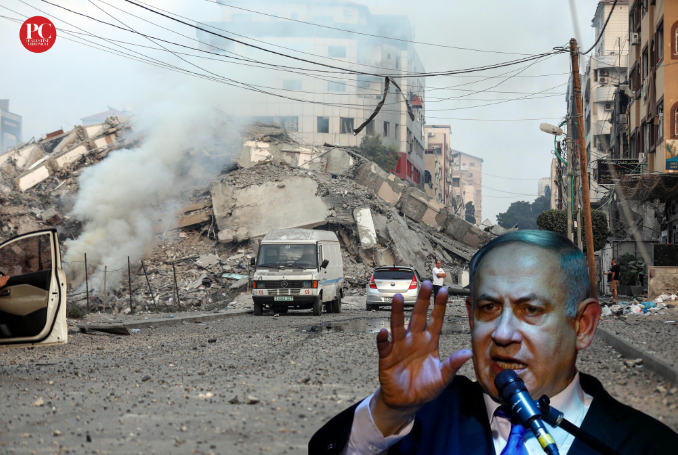
Netanyahu’s Impossible Options in Gaza: To Invade or Not to Invade
Netanyahu is desperate to show that Israel remains a powerful country and a regional power that deserves its often-touted status of having an ‘invincible’ army.
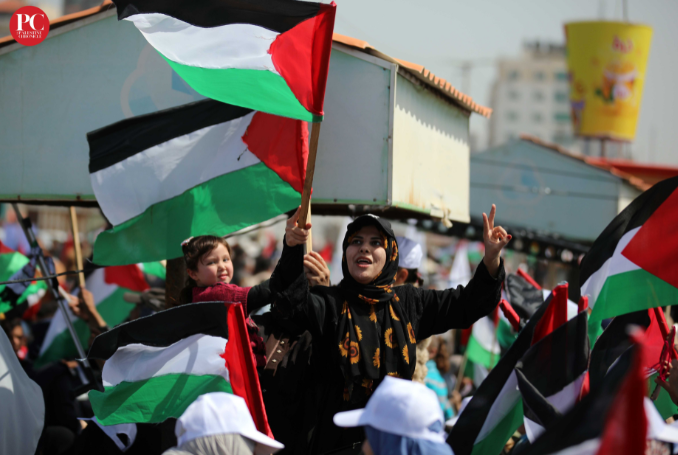
Humiliation vs. Self-Respect: The Untold Story of the Abuse of Palestinian Women in Hebron
Though the Hebron incident is a repeat of numerous violations of Palestinian rights and dignity spanning many years, there is still much we can learn from it.
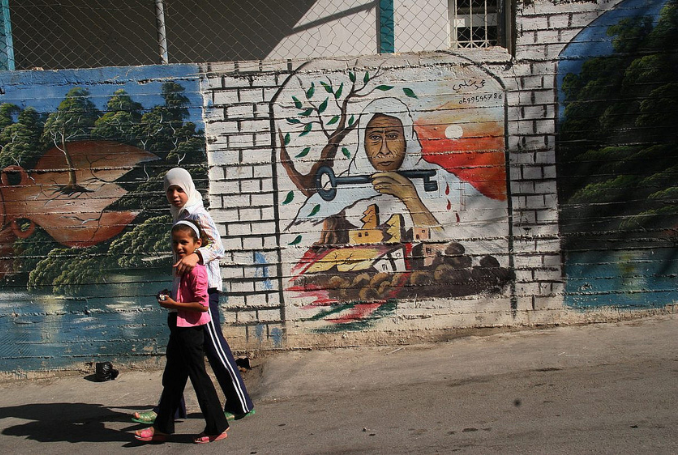
Jenin is Just the Start: Did Palestinians Finally Bury the Ghosts of the Past?
For the older generation, time has stood still. But it has not. The new Palestinian generation has buried the ghosts of the past and moved on.
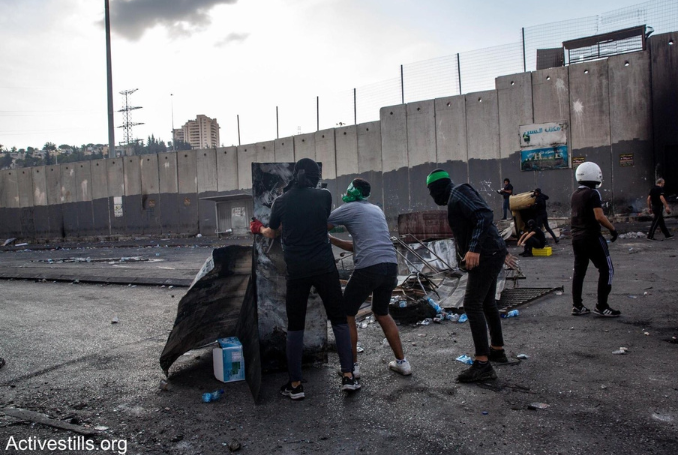
The Armed Revolt: Why Israel Cannot Crush the Resistance in Palestine
The next Intifada in Palestine will be armed, non-factional, and popular, with consequences that are too difficult to gauge.
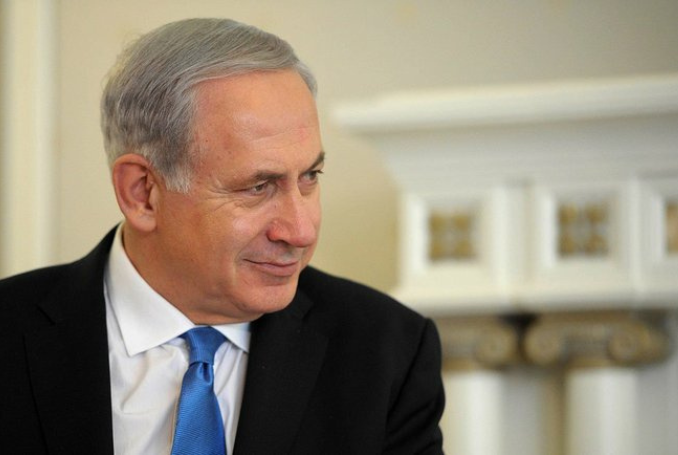
A Man Without a Strategy: How Netanyahu is Provoking Armed Intifada in the West Bank
For Netanyahu, the frequent deadly raids on Palestinian towns and refugee camps translate into political assets that allow him to keep his extremist supporters happy. But this is short-term thinking.
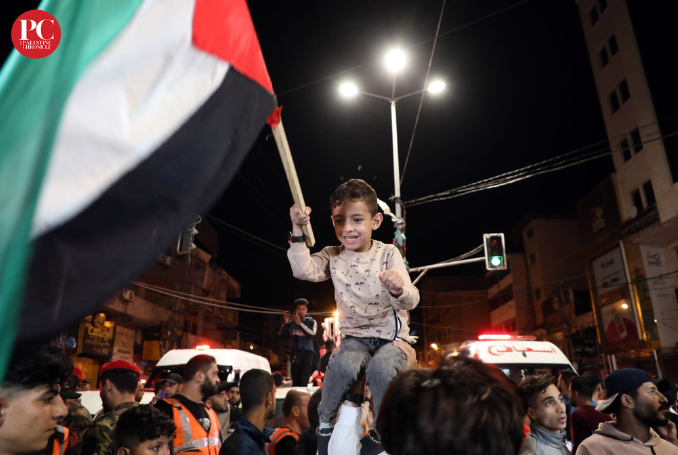
New Rules of Engagement: How Palestinians Defeated Netanyahu and Redefined ‘Unity’
It is the unity of those resisting on the ground, from Gaza to Nablus, and from Jenin to Sheikh Jarrah, that matters most.
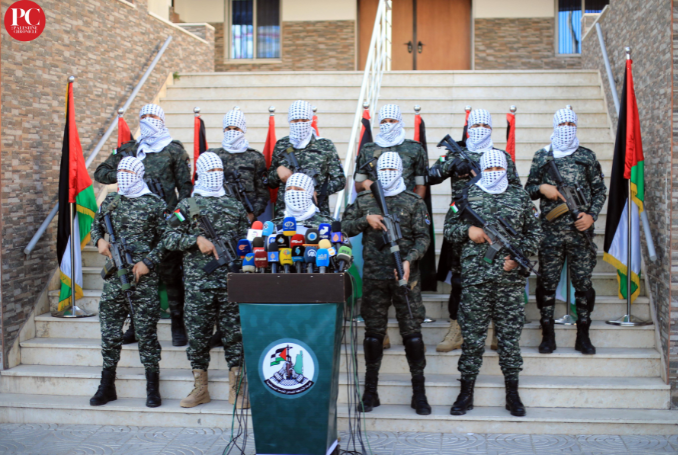
Losing ‘Deterrence’: How Palestinian, Arab Resistance Changed Rules of War with Israel
While Israeli politicians and military strategists are openly fighting over who has cost Israel its precious ‘deterrence,’ very few seem willing to consider that Israel’s best chance at survival is peacefully co-existing with Palestinians.

Quest for Religious War: How Israel is Unifying Arabs and Muslims around Palestine
Though Palestinians do not see themselves fighting a religious war, protecting their religious symbols stands at the core of their larger fight for freedom, justice and equality.
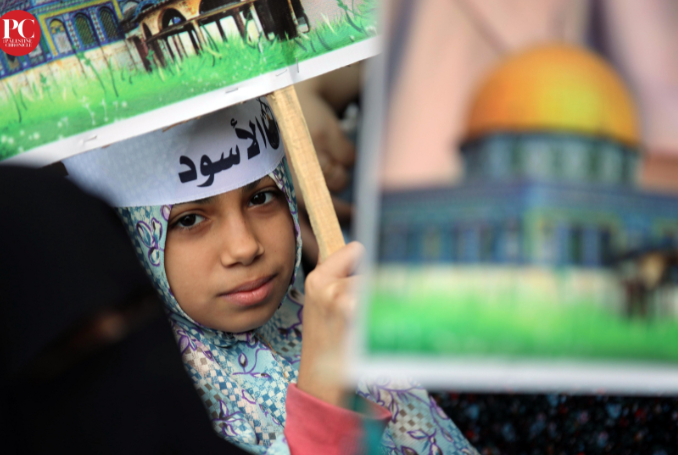
Failed Experiment: Three Reasons Why Israel Fears a Major War on Gaza
With a rightwing, pro-war constituency that is far more interested in illegal settlement expansion and ‘security’ than economic growth or socio-economic equality, Netanyahu should, at least technically, be in a stronger position to launch another war on Gaza. But why is he hesitating?
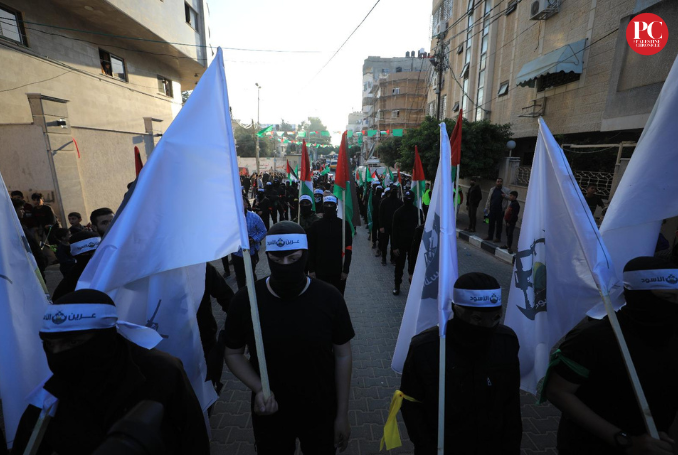
Lions’ Den is Not a Fleeting Phenomenon: On Palestine’s Looming Armed Revolt
Just when Israel, and even some Palestinians, began talking about the Lions’ Den phenomenon in the past tense, a large number of fighters belonging to the newly-formed Palestinian group marched in the city of Nablus.
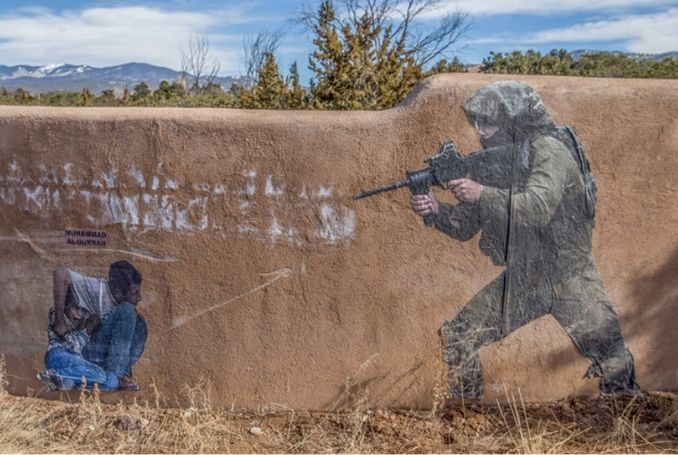
Palestinians are Native Americans: Time to Correct the Language of History
Unity is not a political document. Neither is international solidarity. It is a process that is shaped by a language which should be spoken collectively, relentlessly and boldly
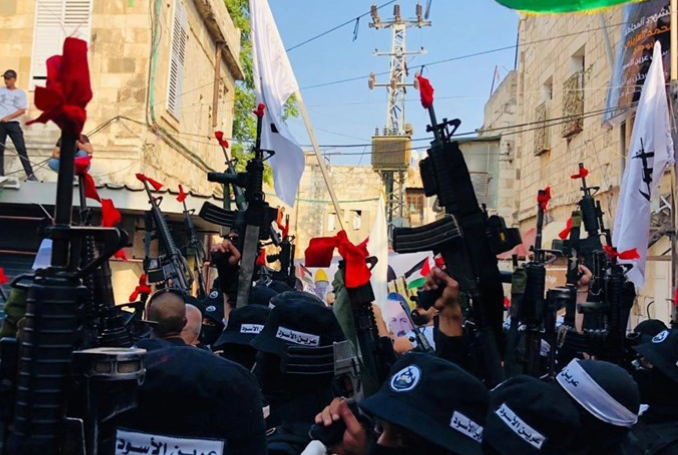
Difficult Months Ahead: Why Israel is Afraid of the Lions’ Den
Palestinians are simply fed up with the Israeli occupation and with their collaborating leadership. They are ready to put it all on the line, in fact, in Jenin and Nablus, they already have.
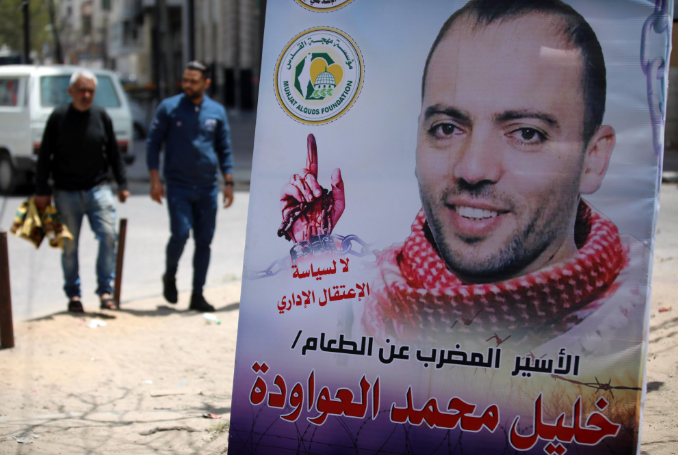
‘Painful March for Freedom’: The Triumphant Legacy of Palestinian Prisoners
For Palestinians, these are acts of resistance that demonstrate the power of the Palestinian people: even in prison, handcuffed to a hospital bed, denied every basic human right, a Palestinian can fight, and win. Awawdeh did.