- March 6, 2026

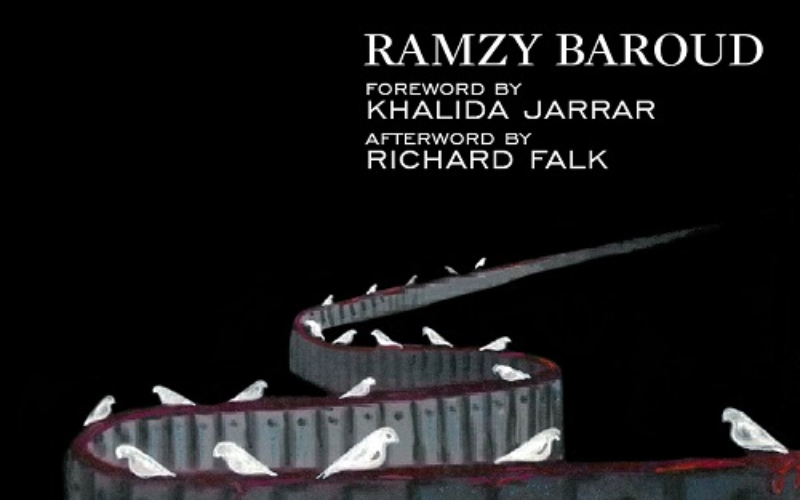
These Chains Will Be Broken: Palestinian Stories of Struggle and Defiance in Israeli Prisons
Since 1967, hundreds of thousands of Palestinians have been imprisoned by Israel, yet their voices are rarely heard. Western media depicts them as “terrorists,” while human rights narratives often cast them as helpless victims.
These Chains Will Be Broken challenges both views through firsthand testimonies that center Palestinian humanity, resilience, and political agency. Rather than cataloging abuses, the stories reveal imprisonment as a site of collective resistance that transcends factional divides. Palestinian prisoners embody a shared struggle against colonialism, apartheid, and military occupation.
Restoring Psychological Deterrence – Torture of Palestinians as a ‘Systematic Strategy’
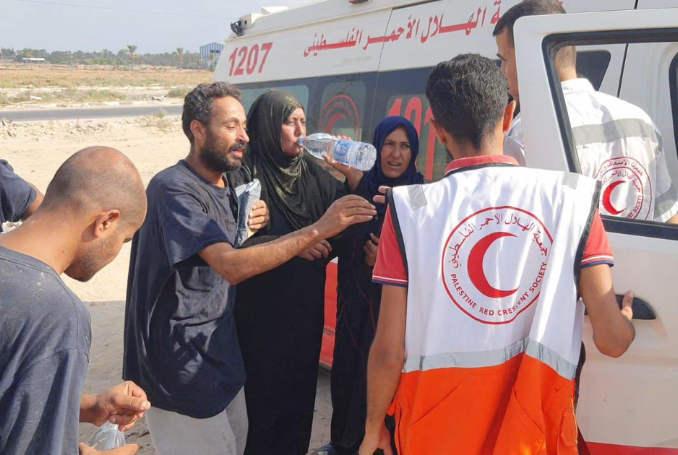
By trying to break the will of the Palestinians through torture, humiliation and rape, Israel wants to restore a different kind of deterrence, which it lost on October 7.
Dying to Be Free: Releasing Palestinian Detainees is Not a Numbers Game
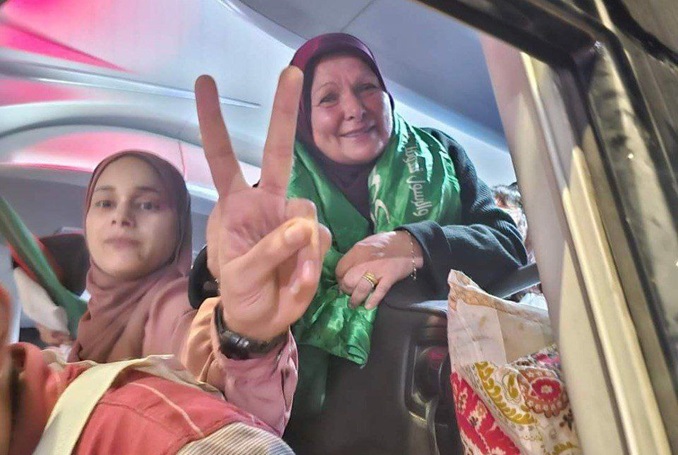
While Israelis see their captives, whether civilians or military, held in Gaza in terms of numbers, Palestinians approach the issue from an entirely different perspective.
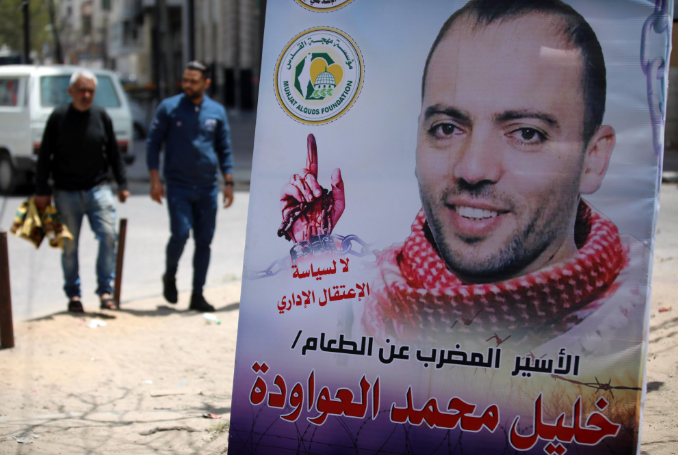
‘Painful March for Freedom’: The Triumphant Legacy of Palestinian Prisoners
For Palestinians, these are acts of resistance that demonstrate the power of the Palestinian people: even in prison, handcuffed to a hospital bed, denied every basic human right, a Palestinian can fight, and win. Awawdeh did.
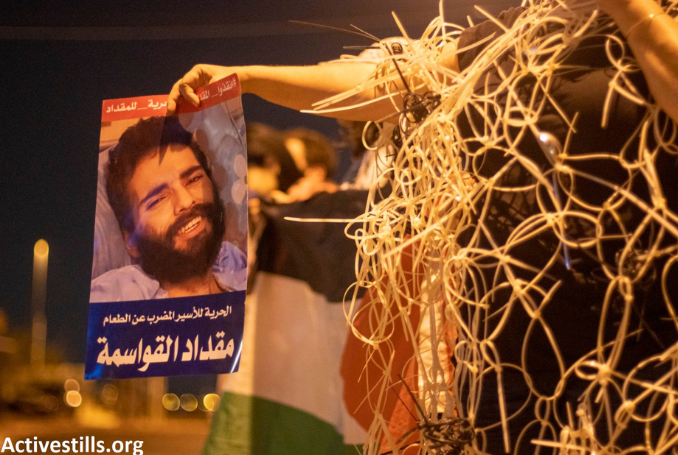
Instead of Freeing Palestinian Prisoners, New Scheme Aims at Punishing Their Families
Maybe the discussion should also be expanded to include the freedom of all Palestinians who are experiencing their own forms of imprisonment by Israel.
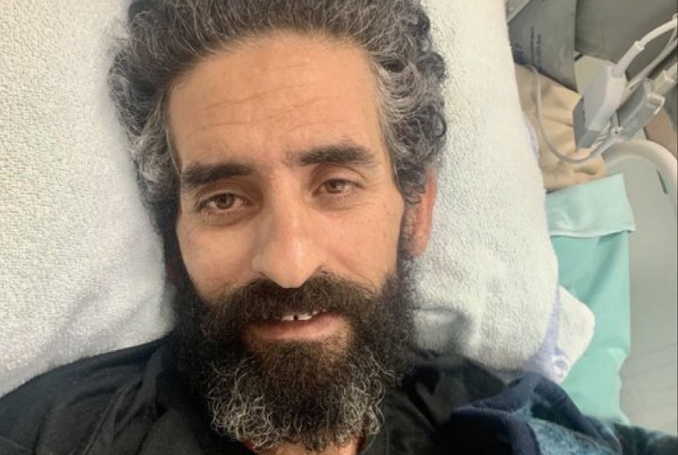
The Real ‘Doomsday Scenario’: How Palestinian Hunger Striker, Abu Hawash Forced Israeli Concession
It is quite a powerful imagery to think that a dying man, tied to a hospital bed, would force Israel to concede on such a crucial issue as that of the freedom of a Palestinian.
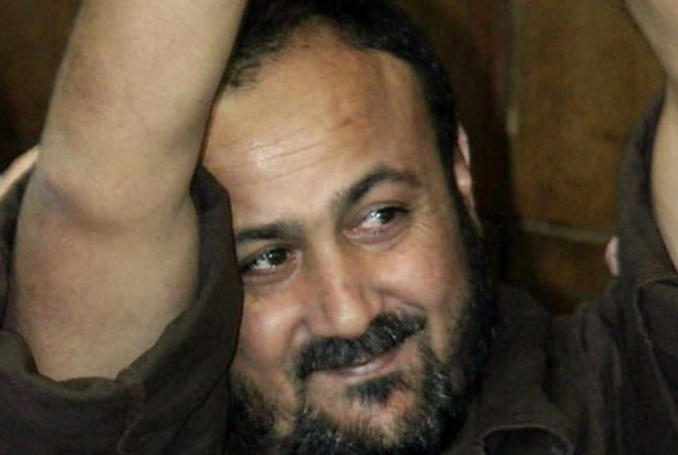
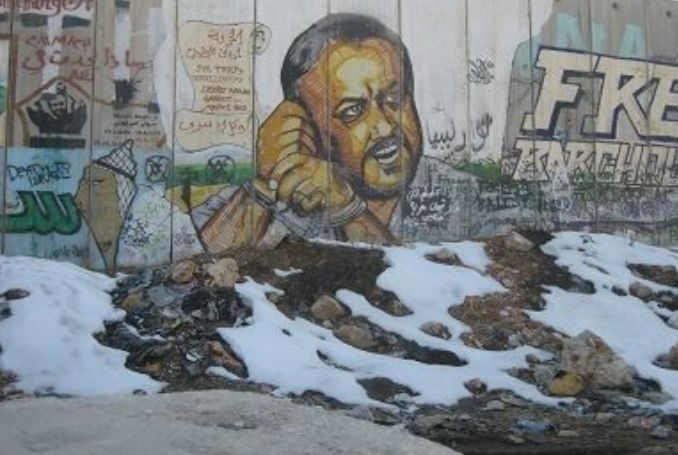
From His Solitary Confinement, Marwan Barghouti Holds the Key to Fatah’s Future
As it stands, the key to the future of Fatah is now held by a Palestinian prisoner, Marwan Barghouti, who has been kept by Israel, largely in solitary confinement, since 2002.
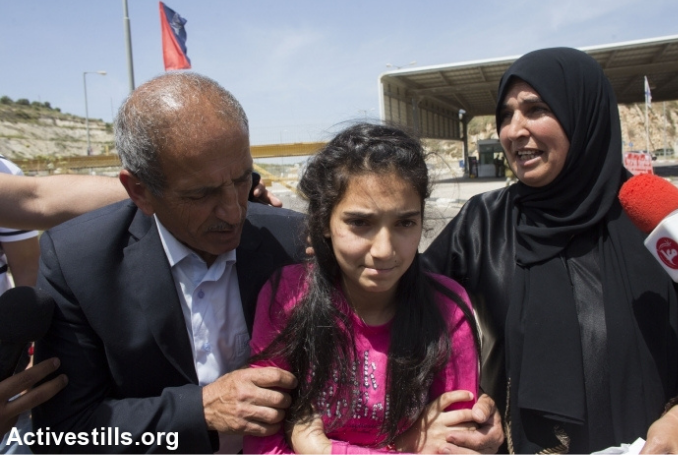
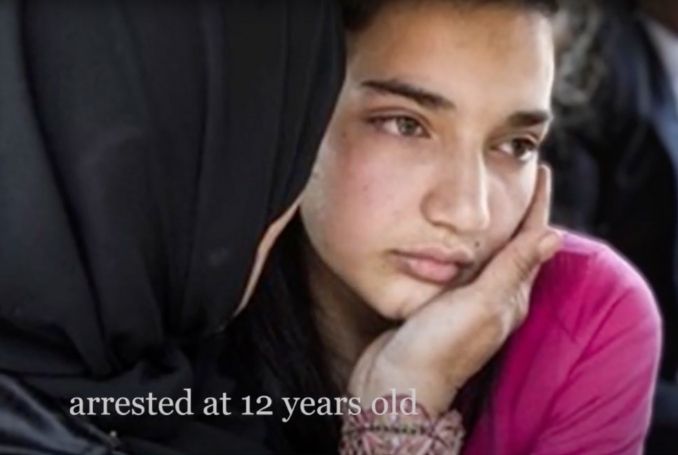
‘I Didn’t Do Anything’: Excerpts from Dima al Wawi’s Story (VIDEO)
On February 9, 2016, Dima was ‘arrested’ by an armed, illegal Jewish settler who claimed that the 12-year-old girl was trying to stab him. After weeks of interrogation by the Israeli army, a military court sentenced her to four and a half months in prison.
Not a Defeated People: On Baroud’s ‘These Chains Will Be Broken’
These are stories of people who create nurturing and supportive systems within the prison walls, as well as to their home communities and their nation. May we all achieve such strength of character.
‘They Tried to Freeze Me to Death’: Torture and Resistance in Israeli Prisons
Before I was brought to Nafha, I endured several long bouts of torture, each extending for 55 hours at a time. They had me stand blindfolded in the same position for 12 hours at a time. They placed me in a refrigerator-like room and kept lowering the temperature until I thought I was going to die from cold.
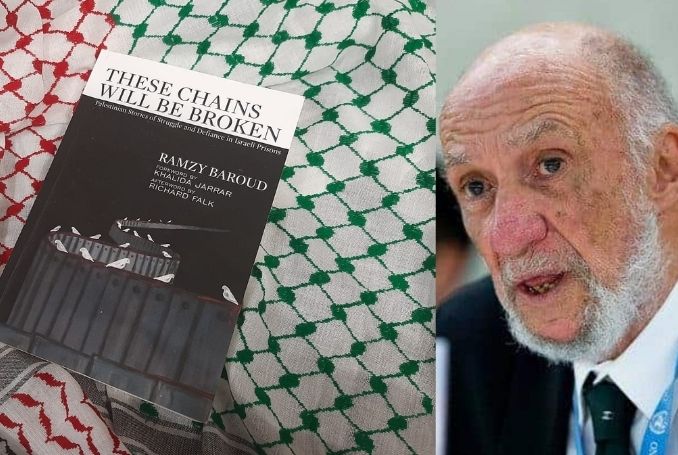
Prof. Richard Falk: I Strongly Recommend Ramzy Baroud’s Book on Palestinian Prisoners
Let me strongly recommend Ramzy Baroud’s book, which really gives an insight into the torment of the prisoners and their struggle for dignity and how important they are as symbols of the most prolonged resistance to an unjust political situation in modern times.

Ramzy Baroud on ‘Palestine Deep Dive’: ‘Israel Targets the Very Fabric of Palestinian Society’ (Watch)
In this wide-ranging interview with Palestine Deep Dive, Palestinian academic, author and journalist Ramzy Baroud speaks about Maher al-Akhras, Palestinian prisoners, the Palestinian narrative and the challenge of overcoming media bias.
VIDEO: ‘These Chains Will Be Broken’: Delving into the Heart of Palestinian Resistance
Watch this compelling video, share it, and obtain the book. There is a whole new Palestine waiting to be told.
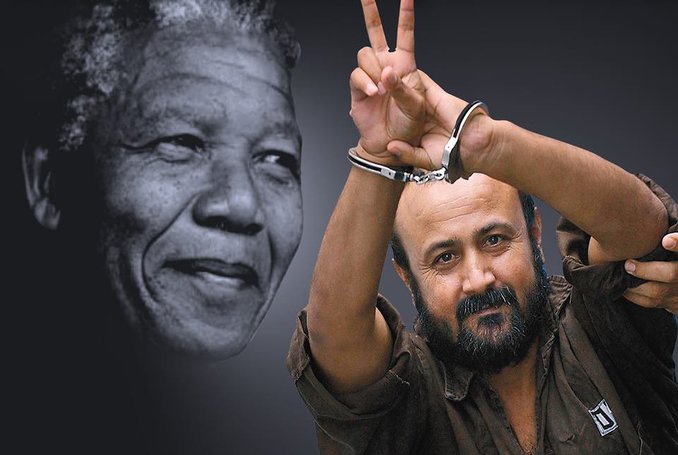
Why Palestinian-Israeli Prisoners Exchange Deal Could Happen Soon?
Now that his illegal annexation of West Bank land scheme has been postponed, Netanyahu is in desperate need of another battle that would present him as some kind of hero in the eyes of Israelis, especially his right-wing constituency.
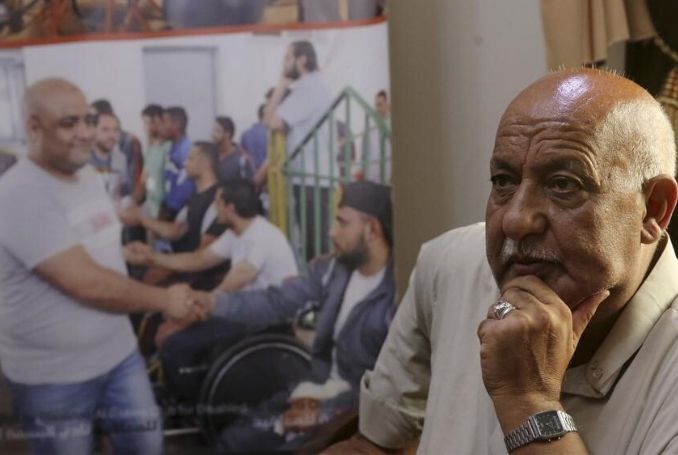
Free My Son, The Humanitarian Hero: Father of Mohammed Al-Halaby Speaks out (Palestine Chronicle TV)
Mohammed’s father, Khalil Al-Halaby, joined Ramzy Baroud on Palestine Chronicle TV, on May 20, to speak about his son’s ordeal.
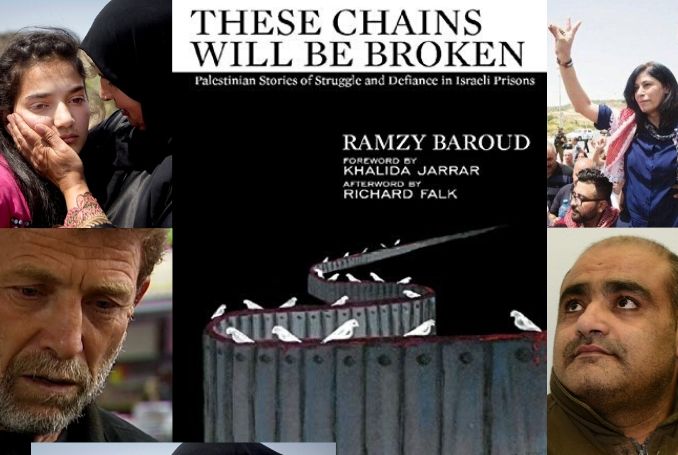
Palestine’s Organic Intellectuals: ‘These Chains Will be Broken’ by Ramzy Baroud (Introduction)
The ‘prison’ in this book is a metaphor for the collective Palestinian prison experience. All Palestinians are prisoners—those held in besieged Gaza or those trapped behind walls, fences and checkpoints in the West Bank. All experience some manifestation of prison every day of their lives.
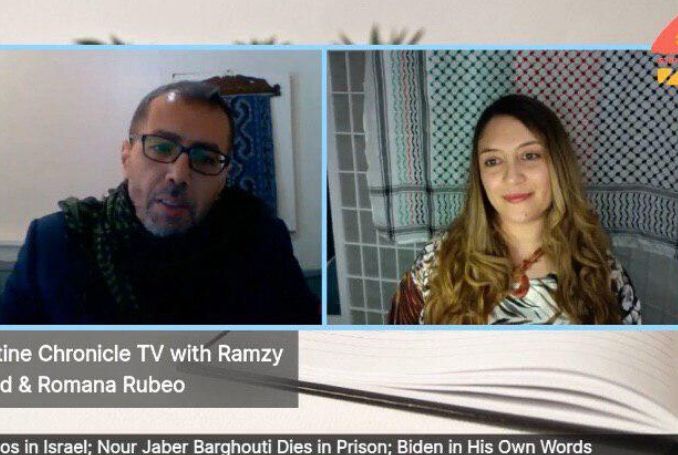
Palestine Chronicle TV: Israeli Politics, Death of Nour Barghouti and More
Join our editors Ramzy Baroud and Romana Rubeo as they discuss the topics of the week in the latest episode of Palestine Chronicle TV.

WEBINAR: On Palestinian Prisoners’ Day, Ramzy Baroud Discusses His New Book
In commemoration of 2020 Palestinian Prisoners’ Day, Palestinian journalist and editor of the Palestine Chronicle Ramzy Baroud discusses his new book.
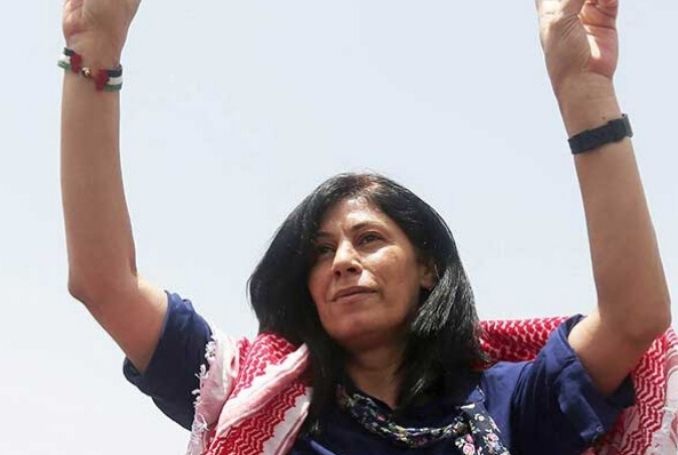
Palestinian Prisoner Khalida Jarrar in her own Words: The Age of Freedom Will Come
By Ramzy Baroud Khalida Jarrar is a Palestinian feminist, a lawyer, educator and an elected parliamentarian. Over the years, she came to symbolize Palestinian popular resistance in the occupied West Bank, enraging the Israeli occupation authorities that arrested her repeatedly. Despite her failing health, as she is suffering from multiple ischemic infarctions and hypercholesterolemia, the […]
These Chains Will Be Broken: New Book Delivers Resistance Message from Palestinian Prisoners to the World
On Monday, January 20, Clarity Press, Inc. of Atlanta announced the launch of These Chains Will Be Broken: Palestinian Stories of Struggle and Defiance in Israeli Prisons, by Palestinian author and journalist, Ramzy Baroud, and The Palestine Chronicle Editorial Team. Bookended by a Foreword by Khalida Jarrar Member of the Palestinian Legislative Council and an Afterword by […]