- March 6, 2026

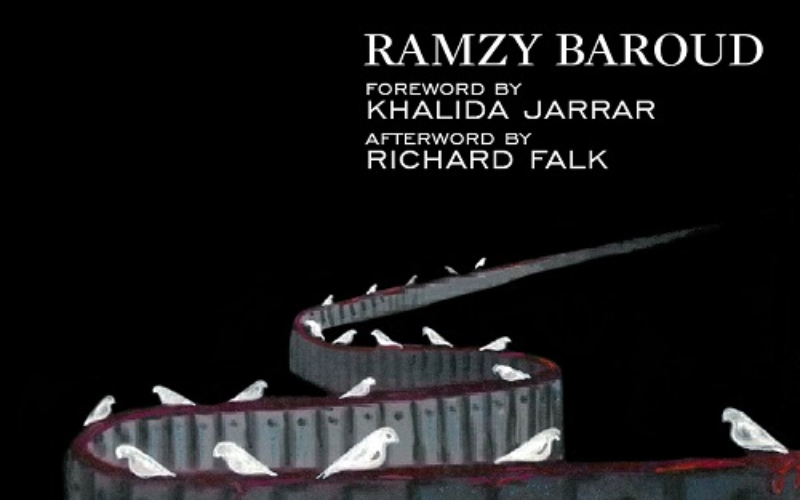
These Chains Will Be Broken: Palestinian Stories of Struggle and Defiance in Israeli Prisons
Since 1967, hundreds of thousands of Palestinians have been imprisoned by Israel, yet their voices are rarely heard. Western media depicts them as “terrorists,” while human rights narratives often cast them as helpless victims.
These Chains Will Be Broken challenges both views through firsthand testimonies that center Palestinian humanity, resilience, and political agency. Rather than cataloging abuses, the stories reveal imprisonment as a site of collective resistance that transcends factional divides. Palestinian prisoners embody a shared struggle against colonialism, apartheid, and military occupation.
Notre Vision pour la Libération: Des Personnalités Palestiniennes s’Expriment
Notre Vision pour la Libération vise à remettre en question les récits entremêlés qui ont conduit à l’impasse actuelle : le discours politique pro-israélien américain, le discours colonial israélien, le discours arabe de la prétendue normalisation et le discours défunt des factions palestiniennes. Aucun ne promeut la justice, aucun n’a apporté de solution, aucun n’est de bon augure pour l’une ou l’autre des parties concernées.
Educateurs, responsables communautaires, chefs spirituels, artistes, historiens, militants des droits humains, prisonniers politiques, journalistes, médecins, trente personnalités s’appuient sur leurs expériences pour retracer ce qui a été fait et ce qui devrait être réalisé à l’avenir, d’une manière qui reflète non seulement les aspirations des Palestiniens, mais aussi leur vision de ce qui est possible.
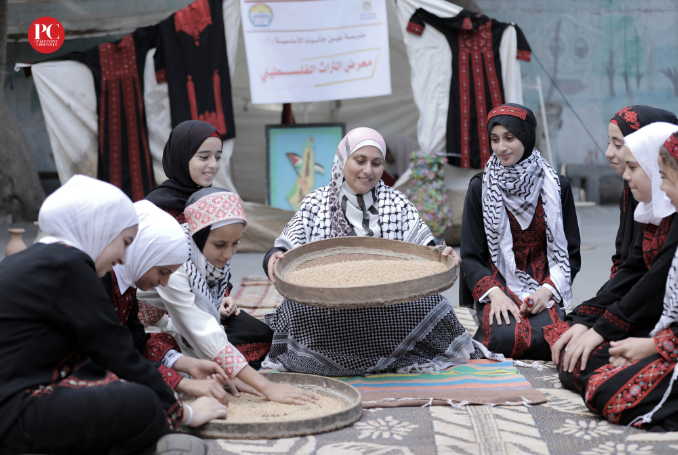
The Long History of Palestine – How Palestinians See Their Future and Their Past
If the oppressed, the natives of the land, are not fully vanquished or decimated, they are likely to rise, fight and win back their freedom.
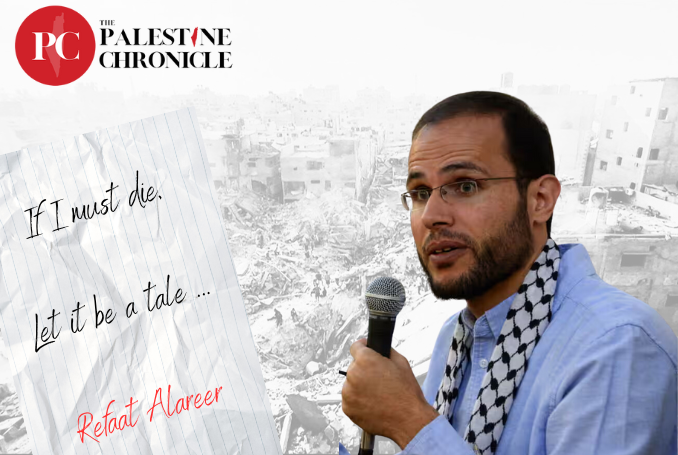
‘Let It Be a Tale’: Israel Kills the Storytellers of Gaza but Will Not Kill the Story
These storytellers were all killed by Israel, with the hope that the stories will die with them. But Israel will fail because the collective story is bigger than all of us.
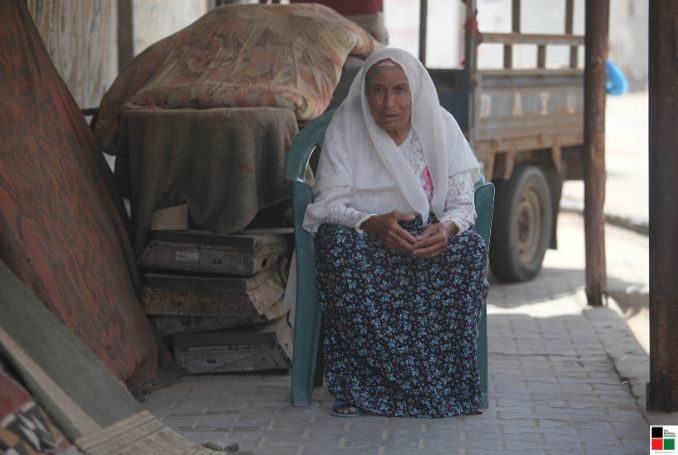
Erasure vs. Sumud: How the Nakba Came to Define the Collective Palestinian Identity
For Palestinians, the Nakba is not a single date. It is the whole story, the conclusion of which will be written, this time, by the Palestinians themselves.
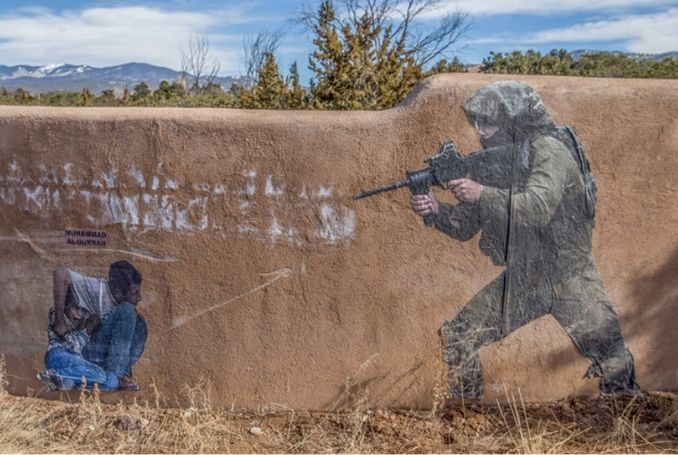
Palestinians are Native Americans: Time to Correct the Language of History
Unity is not a political document. Neither is international solidarity. It is a process that is shaped by a language which should be spoken collectively, relentlessly and boldly
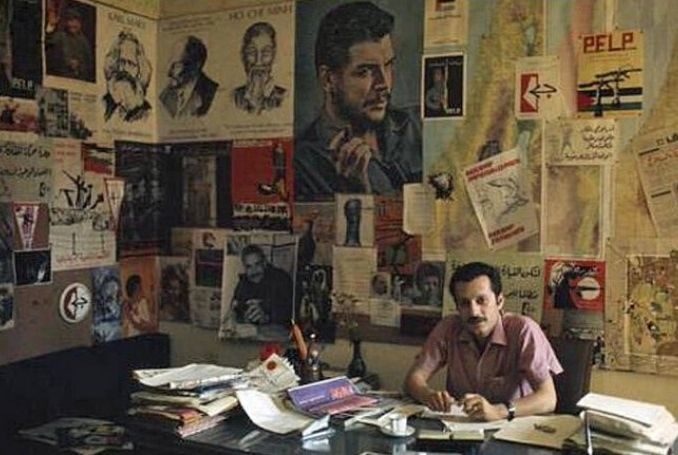
Palestinians ‘Are Not Animals in a Zoo’: On Kanafani and the Need to Redefine the Role of the ‘Victim Intellectual’
But for the Palestinian narrative to be truly relevant, Palestinians must indeed assume the role of the Gramscian intellectual, as “purveyors of consciousnesses” and abandon the role of the ‘victim intellectual’ altogether.
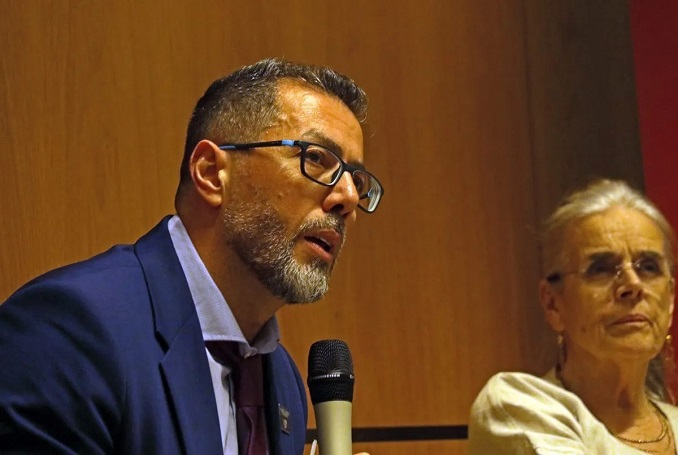
WATCH: MEMO Holds ‘Our Vision for Liberation’ Book Launch in London
The launch of the widely-acclaimed book ‘Our Vision for Liberation: Engaged Palestinian Leaders & Intellectuals Speak Out’ by Dr. Ramzy Baroud and Professor Ilan Pappe was held on June 10 in London’s Wellcome Centre, commemorating another milestone in the struggle for Palestine’s freedom from occupation.
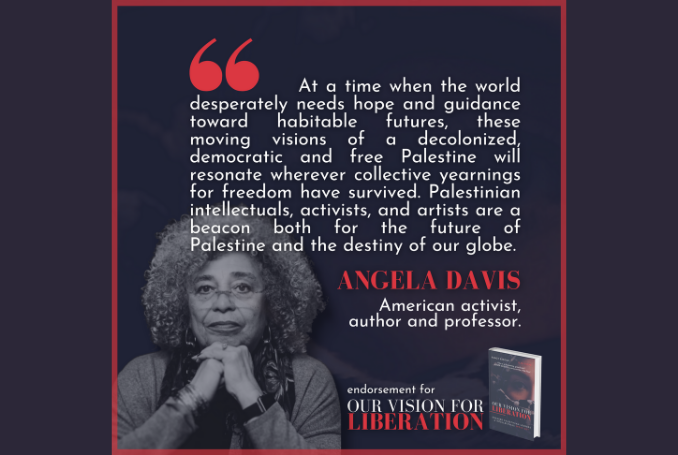
Angela Davis, John Pilger, Roger Waters Rave about Just-Released ‘Our Vision for Liberation’
The ‘fascinating book’, which has received raving reviews from iconic intellectuals around the world, provides a rare view of the future of Palestine.
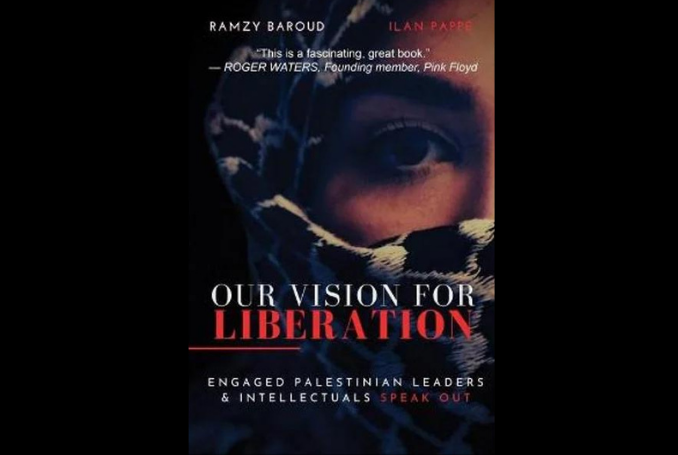
Our Vision for Liberation: Engaged Palestinian Leaders and Intellectuals Speak Out – Book Review
‘Our Vision for Liberation: Engaged Palestinian Leaders and Intellectuals Speak Out’ is a fascinating book, a beautiful book, a real treasure.

Why the Palestinian Voice Should Take Center Stage
Without that genuine and engaged Palestinian intellectual, the world’s priorities will continue to gravitate towards Israeli priorities, towards US interests and their subsequent fraudulent language about ‘peace,’ security’ and such.
Say This, Don’t Say That: Time to Confront the Misleading Language on Palestine, Israel
It will not be easy to deconstruct the seemingly endless edifice of lies, half-truths, and intentional misrepresentations of Zionist Israeli colonialism in Palestine.
Esquire: Baroud’s Book among Top Ten Books on Palestine
They include In Search of Fatima, by Ghada Karmi, A Child in Palestine by Naji al-Ali, and My Father Was a Freedom Fighter: Gaza’s Untold Story, by Ramzy Baroud.
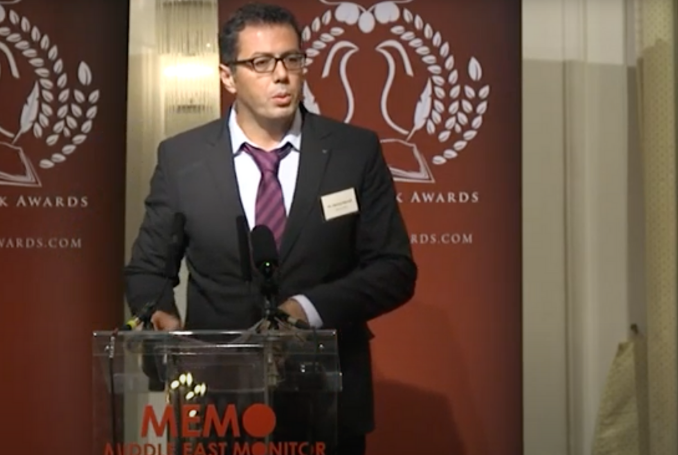
Ramzy Baroud’s Keynote Speech at the Palestine Book Awards in London (VIDEO)
Palestinian journalist and editor of The Palestine Chronicle, Dr. Ramzy Baroud, delivers the keynote speech at the Palestine Book Awards in London in 2018.
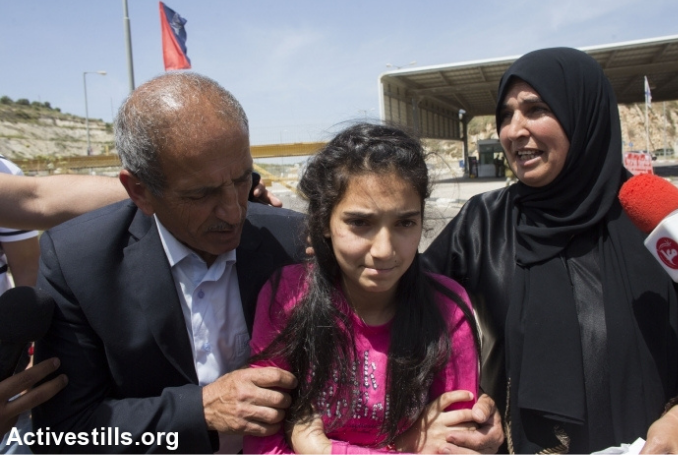
‘I Didn’t Do Anything’: Excerpts from Dima al Wawi’s Story (VIDEO)
On February 9, 2016, Dima was ‘arrested’ by an armed, illegal Jewish settler who claimed that the 12-year-old girl was trying to stab him. After weeks of interrogation by the Israeli army, a military court sentenced her to four and a half months in prison.
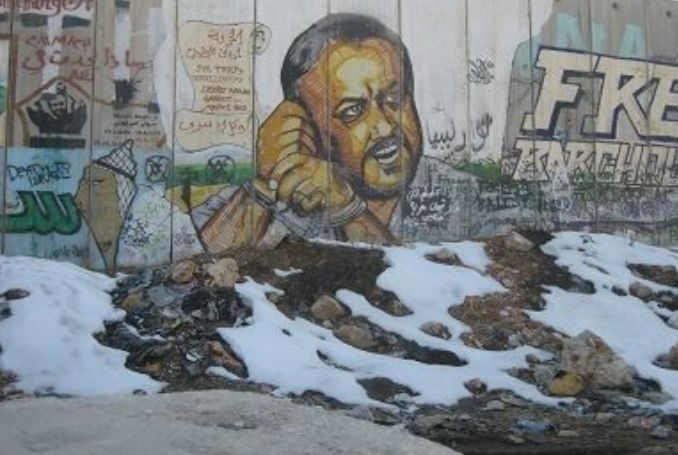
Not a Defeated People: On Baroud’s ‘These Chains Will Be Broken’
These are stories of people who create nurturing and supportive systems within the prison walls, as well as to their home communities and their nation. May we all achieve such strength of character.
Imagining Palestine: On Barghouti, Darwish, Kanafani and the Language of Exile
Millions of Palestinians continue to live in exile, generation after generation, painstakingly negotiating their individual and collective identities, neither able to return, nor feeling truly whole. These millions deserve to exercise their Right of Return, for their voices to be heard and to be included.

Fearing the Palestinian Narrative: Why Israel Banned ‘Jenin Jenin’
A Palestinian people with a coherent, collective narrative will always exist no matter the geography, the physical hardship and the political circumstances. This is what Israel fears most.

Ramzy Baroud on ‘Palestine Deep Dive’: ‘Israel Targets the Very Fabric of Palestinian Society’ (Watch)
In this wide-ranging interview with Palestine Deep Dive, Palestinian academic, author and journalist Ramzy Baroud speaks about Maher al-Akhras, Palestinian prisoners, the Palestinian narrative and the challenge of overcoming media bias.
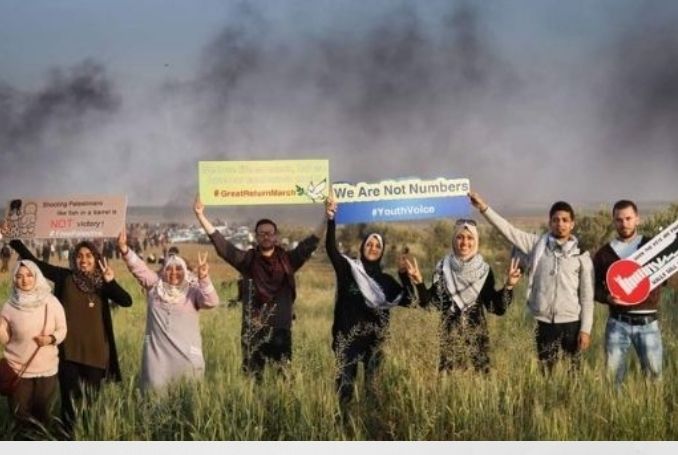
Palestinians Are Not Numbers: On the Future of the Palestinian Discourse
It was refreshing to talk to Palestinians who are taking the decisive step of declaring that they are not numbers, because it is only through this realization and resolve that Palestinian youth can challenge all of us and assert their own collective identity as a people.