- March 14, 2026


‘Hypocrisy Does Not Begin to Describe It’: Baroud on the Ukraine Crisis and the Changing Global Order (VIDEO)
Mark Seddon discusses with Ramzy Baroud the unfolding crisis in Ukraine through the eyes of the Palestinian people.
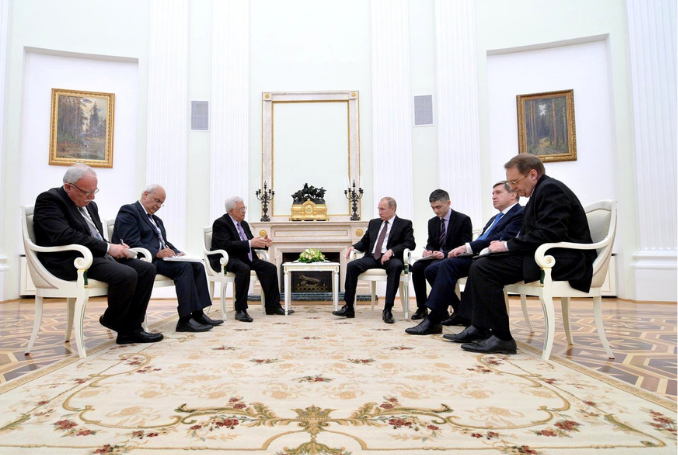
Weathering the Global Storm: Why Neutrality is Not an Option for Palestinians
Common sense dictates that Palestinians must develop a unified front to cope with the massive changes underway in the world, changes that will eventually yield a whole new geopolitical reality.
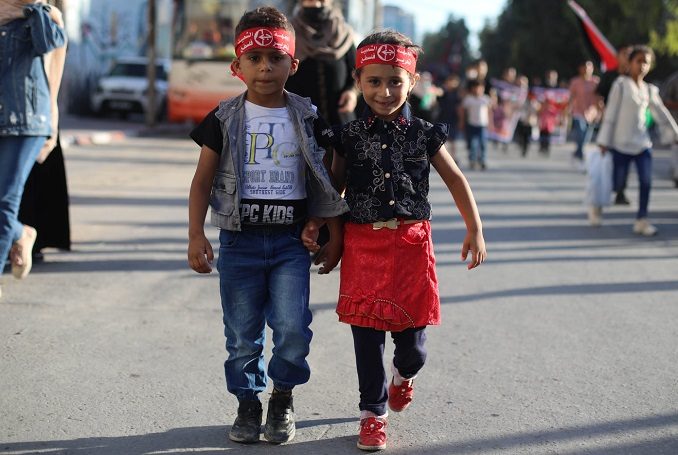
On Palestine’s Everyday Victories: Why Israel is No Longer the Exception
Israel is not the exception, and like other colonial, apartheid regimes, it will eventually collapse, paving the way for a possible future where Palestinian Arabs and Israeli Jews can coexist as equals.
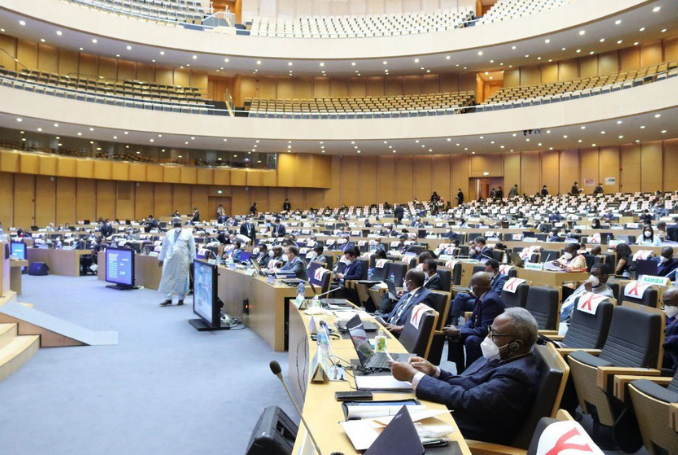
Doing Business with Apartheid: Why Africa Must Reject Israeli Colonialism
The solid support that Palestine enjoys among an influential block at the AU, in addition to the popular support the Palestinian cause continues to receive throughout Africa, indicates that, despite the mistakes of the past, Palestine remains a central issue on the continent.
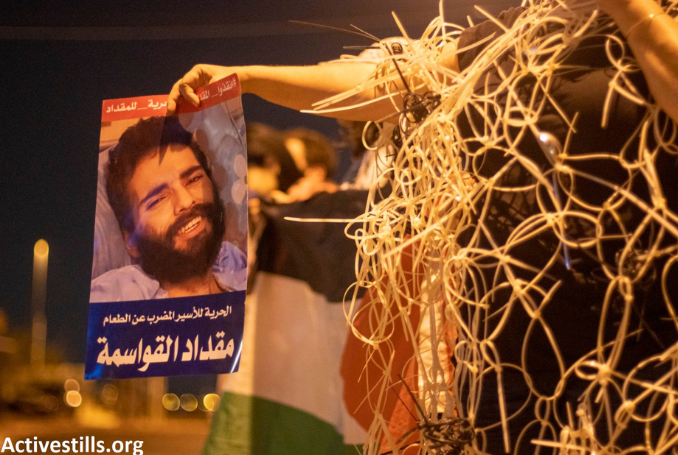
Instead of Freeing Palestinian Prisoners, New Scheme Aims at Punishing Their Families
Maybe the discussion should also be expanded to include the freedom of all Palestinians who are experiencing their own forms of imprisonment by Israel.
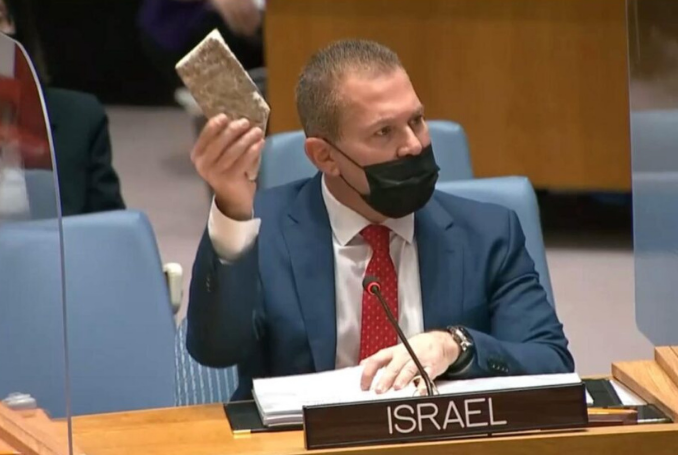
Israel’s Hasbara in Sheikh Jarrah: On Gilad Erdan’s ‘Terrorist’ Rock and Faulty Logic
Neither Erdan nor his bosses in Tel Aviv can reverse this Palestinian-led momentum. His UN display merely reflects the degree of desperation and intellectual bankruptcy of Israel and its representatives.
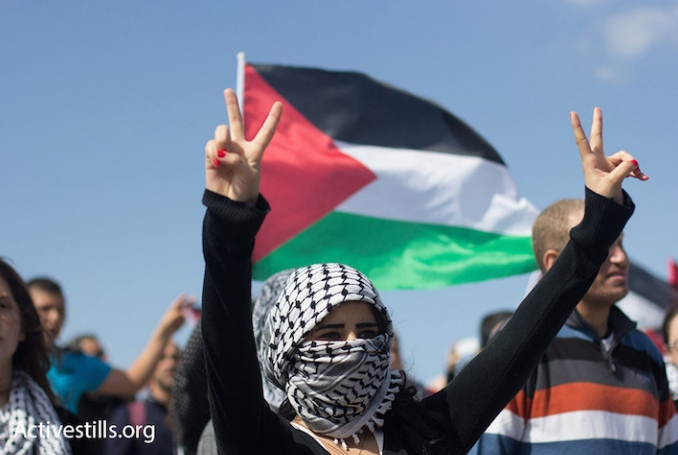
2021 in Palestine: A New Generation Has Finally Risen
2021 was also a year of unity, cultural achievements and hope, as a new generation is finally taking center stage, asserting its identity and its centrality to the future of its homeland
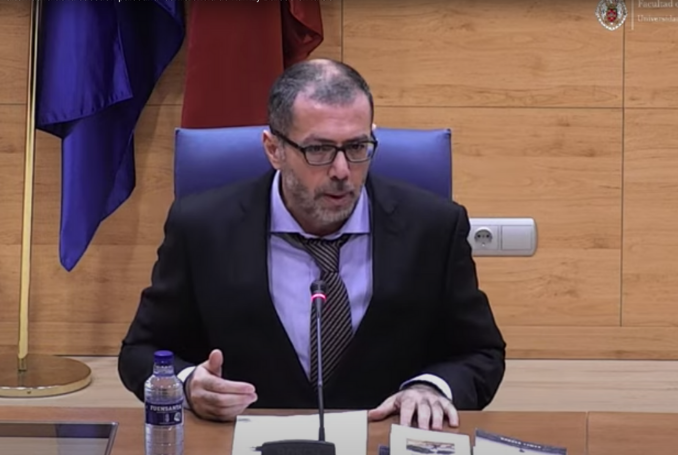
Ramzy Baroud Advocates Alternative Narrative on Palestine: Full Lecture at Complutense University in Madrid (WATCH)
The event was attended by a large number of students and faculties from the Political Science and International Relations departments, along with other schools.
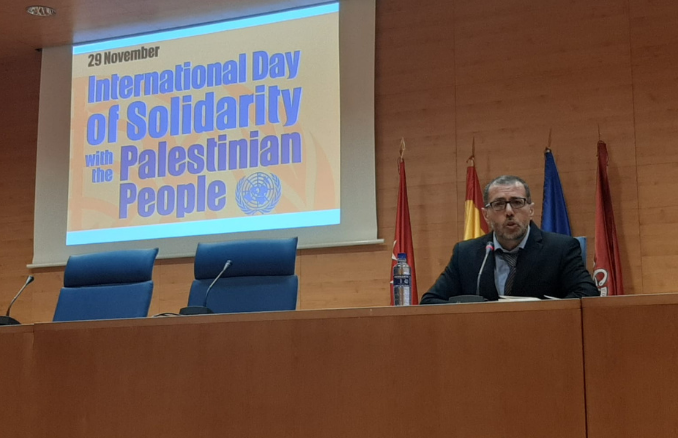
‘There Must Be a Cost for the Occupation’: Palestine Chronicle Editor Delivers Lecture at Madrid University (PHOTOS & VIDEOS)
On the occasion of the Palestinian solidarity week in Madrid, Palestine Chronicle editor Ramzy Baroud delivered a lecture at the Universidad Complutense of the Spanish capital.
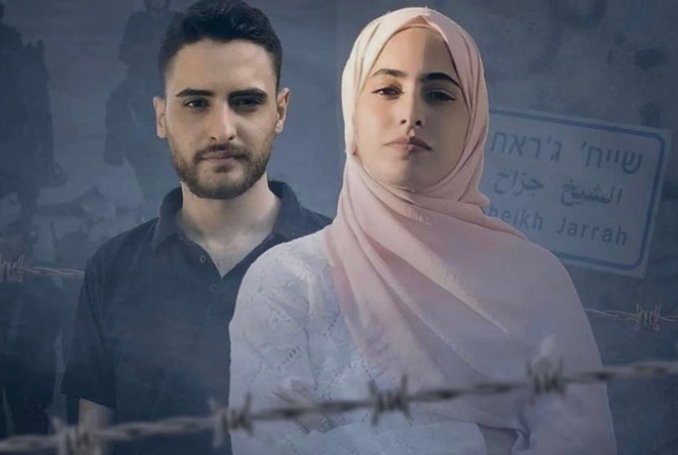
Why the Palestinian Voice Should Take Center Stage
Without that genuine and engaged Palestinian intellectual, the world’s priorities will continue to gravitate towards Israeli priorities, towards US interests and their subsequent fraudulent language about ‘peace,’ security’ and such.
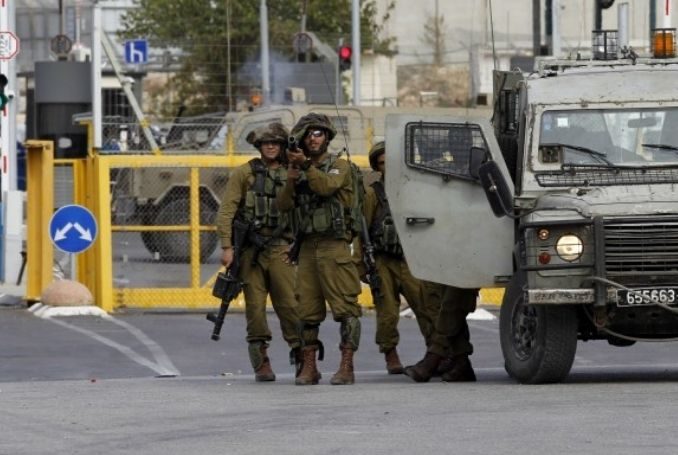
From Pegasus to Blue Wolf: How Israel’s ‘Security’ Experiment in Palestine Became Global
The truth is, for as long as Israel maintains its military occupation of Palestine, and as long as the Israeli military continues to see Palestinians as subjects in a mass ‘security experiment’, the Middle East—in fact, the entire world—will continue to pay the price.
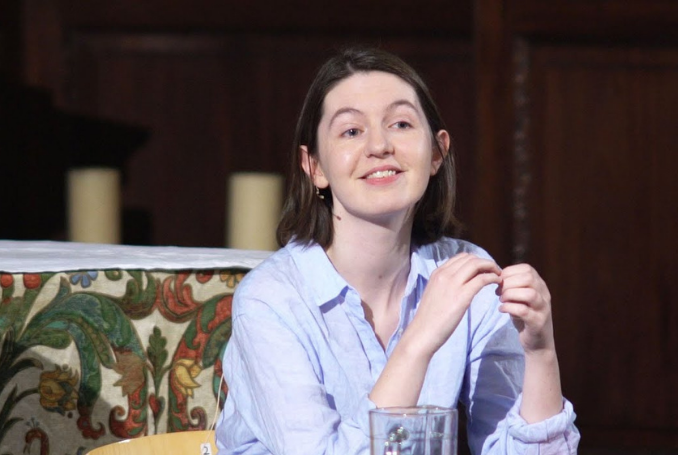
The Cultural Genocide in Palestine: On Sally Rooney’s Decision to Boycott Israel
Israel continues to target Palestinians as a people, downgrades their language, dismantles their institutions and systematically destroys their culture. This is rightly referred to as cultural genocide, and it is our moral responsibility to stop it.
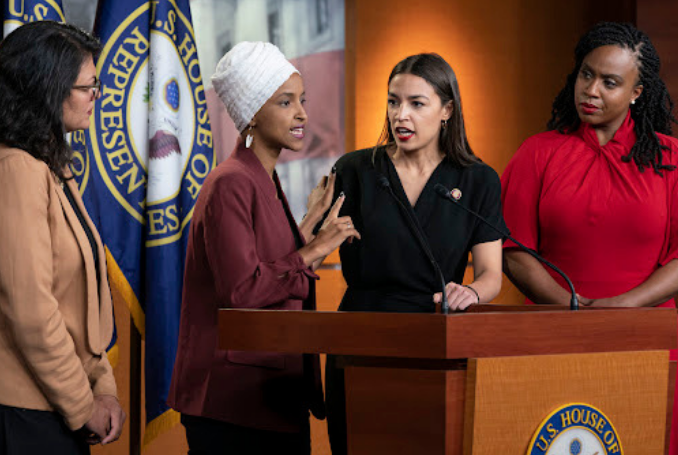
Racial Justice Vs. The Israel Lobby: When Being Pro-Palestine Becomes the New Normal
Speaking out for Palestine in America is no longer a charitable and rare occurrence. As the future will surely reveal, it is the “politically correct” thing to do.
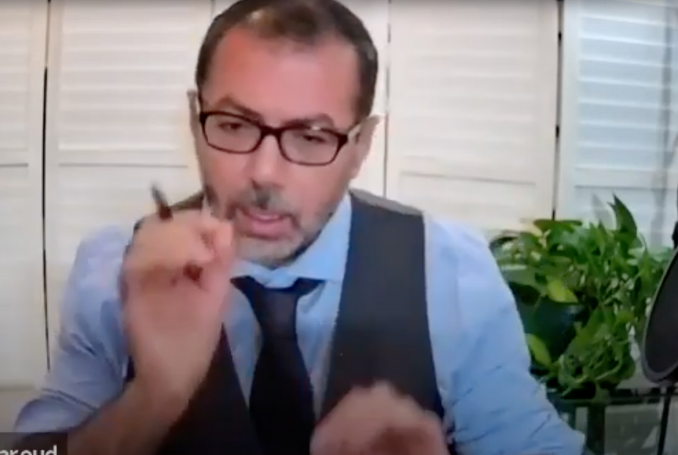
Palestinian Unity & Popular Resistance: A New Intifada? (VIDEO)
Three Palestinian intellectuals, Dr. Ramzy Baroud, Awad Abdelfattah, and Issam Adwan discuss and analyze these ongoing events.
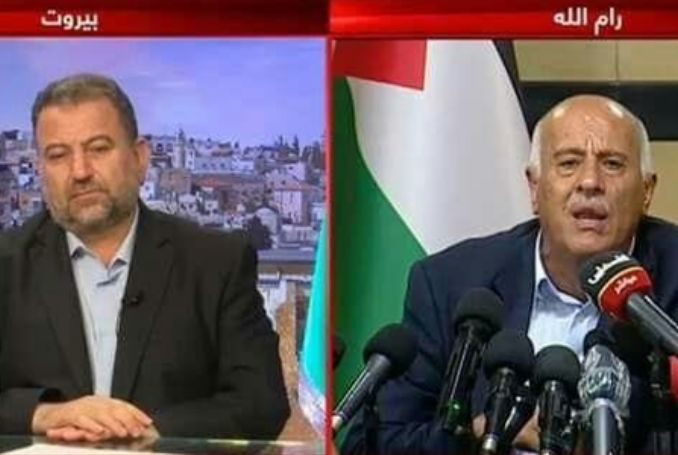
The Untold Story of Why Palestinians Are Divided
In post-Abbas Palestine, Palestinians must reflect on this tragic history and, instead of aiming for easy fixes, concentrate on finding common ground beyond parties, factions, clans and privilege.
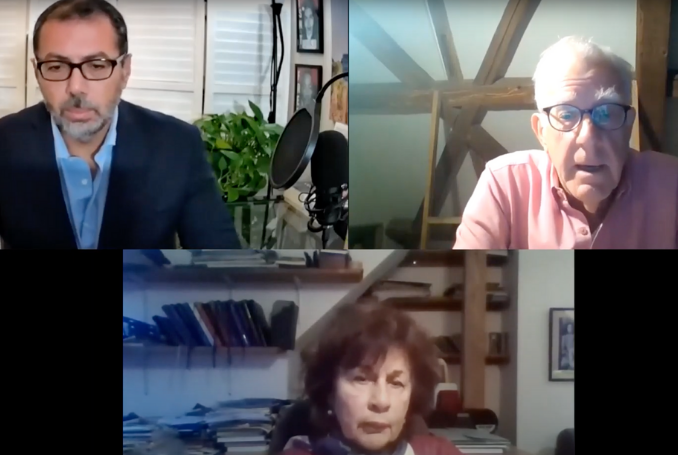
WATCH: Ramzy Baroud & Ghada Karmi on ‘One Democratic State’
Palestinian authors and activists Ghada Karmi and Ramzy Baroud tell about their support for One Democratic State (ODS) in Palestine.

One Man as a Whole Generation: The Unfinished War of Zakaria Zubeidi
Zakaria Zubeidi is not just a single person but a whole generation of Palestinians in the West Bank who are caught up in an impossible dilemma, having to choose between a painful, but real, struggle for freedom and political compromises, which, in Zakaria’s own words, ‘have achieved nothing’.
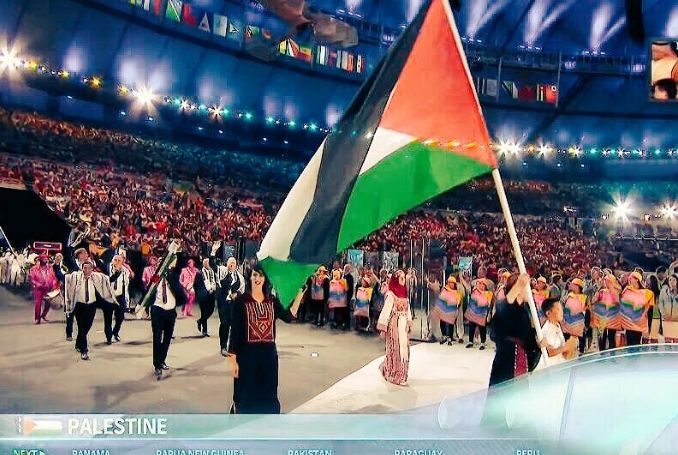
The Politics of Cheering and Booing: On Palestine, Solidarity and the Tokyo Olympics
The truth is, for us, Palestinians, the Olympics are not an ethnocentric exercise. Our relationship to it is not simply inspired by race, nationality or even religion, but by humanity itself.
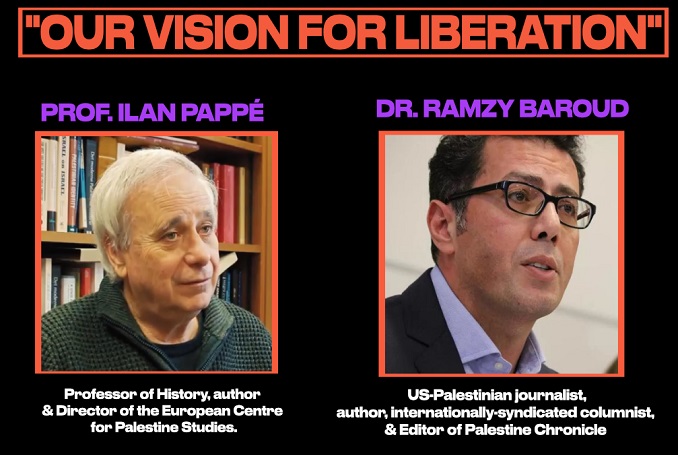
‘Our Vision for Liberation’ with Ilan Pappé & Ramzy Baroud
Currently working together on a new publication, “Our Vision for Liberation: Engaged Palestinian Leaders & Intellectuals Speak Out”, this will be a timely discussion illuminating the process of producing this compilation of perspectives which aims to provide a new Palestinian discourse fit for today’s challenges to achieving Palestinian freedom.
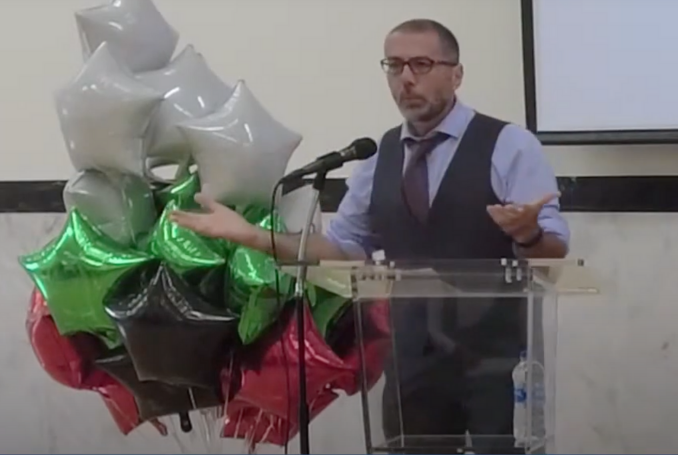
WATCH: Palestine, What’s Happening and Why it Matters
To better understand what is happening and how and why the events in Palestine/Israel matter to us all, the Muslim Association of Puget Sound (MAPS) hosted an awareness-raising event on June 4.