- March 14, 2026

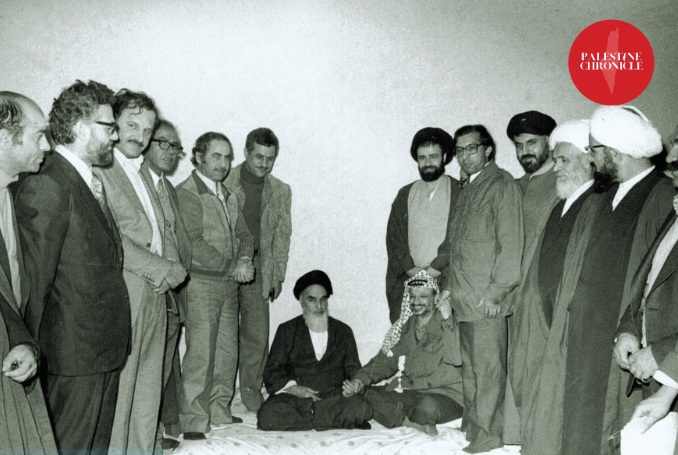
Iran and Palestine: From Yasser Arafat to Hamas—Is the Balancing Act Over?
Will the war on Iran strengthen the Gaza-centered resistance camp and reshape Palestinian alliances across the Middle East?

Ramzy Baroud: Netanyahu’s Last Gamble — War with Iran | New FloodGate Episode
New FloodGate episode analyzes Israel’s Iran escalation, linking Gaza fallout to Netanyahu’s political survival strategy.
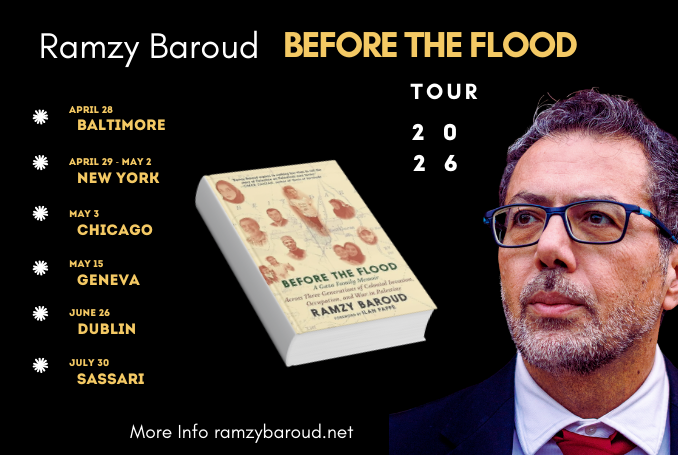
Ramzy Baroud Announces Spring–Summer 2026 International Tour
Ramzy Baroud announces confirmed US and European tour dates for Spring–Summer 2026, with additional events forthcoming.
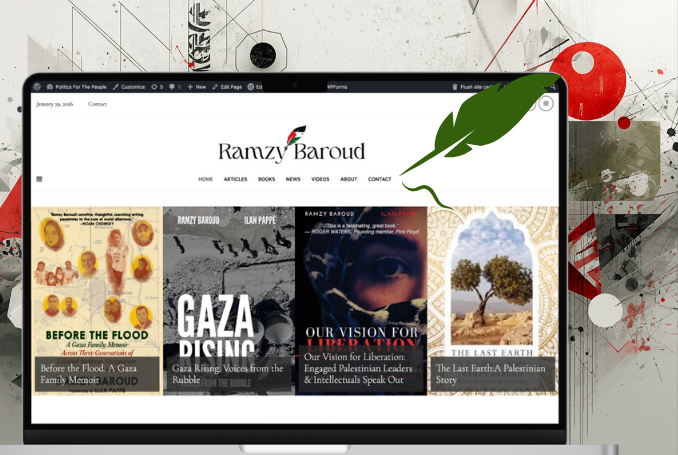
Ramzy Baroud Launches New Digital Platform Centered on Gaza, People’s History
Dr. Ramzy Baroud, a Palestinian journalist, internationally syndicated columnist, and editor of The Palestine Chronicle, has officially launched a new digital platform bringing together decades of his work on Palestine, popular struggle, and people-centered history.
The website serves as a centralized, searchable archive of Baroud’s writings, media appearances, and public scholarship, rooted in the concept of ‘history from below’, or people’s history, and focused on narratives systematically excluded from mainstream geopolitical discourse.
Designed for students, researchers, journalists, and activists, the platform bridges academic history with lived experience and collective memory.
Visitors can access an extensive collection of Baroud’s articles published in leading international outlets, alongside detailed information on his published books, including The Last Earth: A Palestinian Story and My Father Was a Freedom Fighter. The site also highlights his upcoming books, Before the Flood and Gaza Rising, co-written with Israeli historian Ilan Pappé.
In addition, the platform features a curated selection of video interviews, podcasts, lectures, and a dedicated portal for speaking engagements and media inquiries, facilitating direct engagement with Baroud’s ongoing work.
To learn more, please visit the new platform and make sure that you follow Baroud on his social media channels.
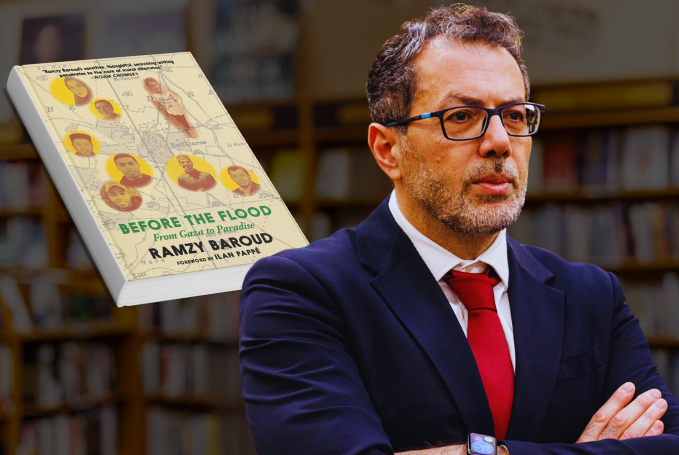
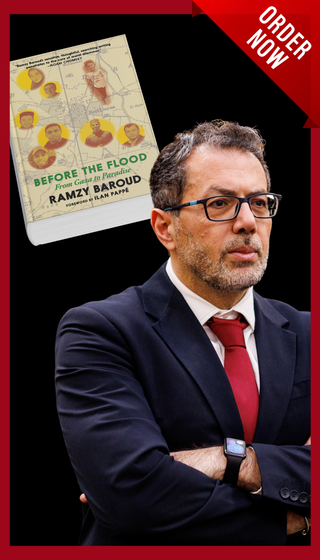
Before the Flood: Ramzy Baroud Announces Worldwide Book Tour
Palestinian author, journalist, and historian Ramzy Baroud will embark on a worldwide tour, starting on February 11, presenting his latest book—a deeply personal and historically grounded account of Palestine told through the story of his family in Gaza and a village in historic Palestine.
Gaza Rising: Voices from the Rubble
Drawing on the voices of Gaza’s own intellectuals, journalists, doctors, teachers, artists, and community leaders, Gaza Rising: Voices from the Rubble highlights the resilience of a people determined to endure despite overwhelming devastation.
Since October 7, 2023, Gaza has faced its most catastrophic assault yet, with the destruction extending far beyond homes to hospitals, schools, civil institutions, and cultural life itself. By late 2024, most of the Strip had been rendered uninhabitable, leaving nearly the entire population displaced. Yet even amid the systematic targeting of every sector of society, Gaza’s people continue to assert their existence, raising a profound question: can a people so deeply rooted ever truly be erased?
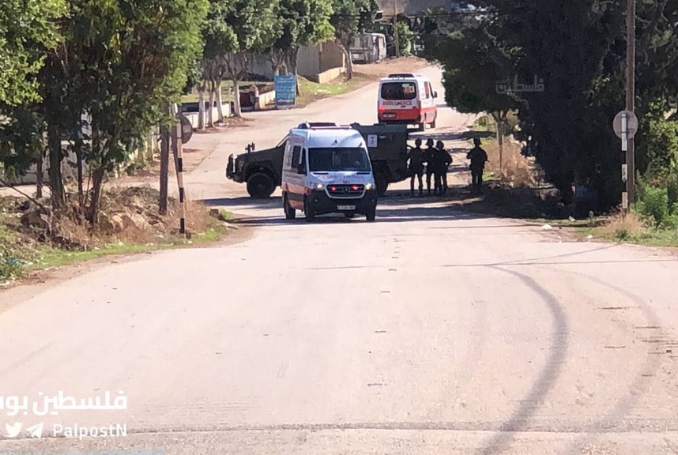
The War beyond Gaza: Israel’s Silent Shock Campaign in the West Bank
A shock and awe. The phrase is apt in describing what Israel has done in the occupied West Bank almost immediately following the events of October 7, 2023, and the start of the Israeli genocide in Gaza.
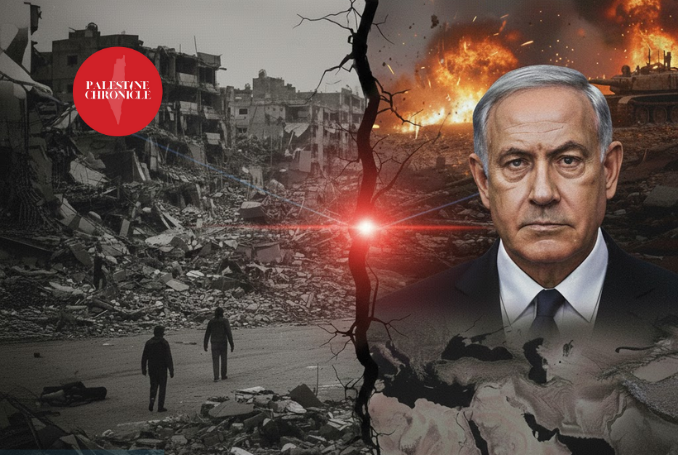
Teetering on the Brink of Genocide: Why Netanyahu is Keen on Prolonging the Gaza War
The war on Gaza is not merely a military campaign. It is the linchpin holding together Netanyahu’s political survival, ideological project, and regional ambitions—one he appears determined to keep firmly in place.
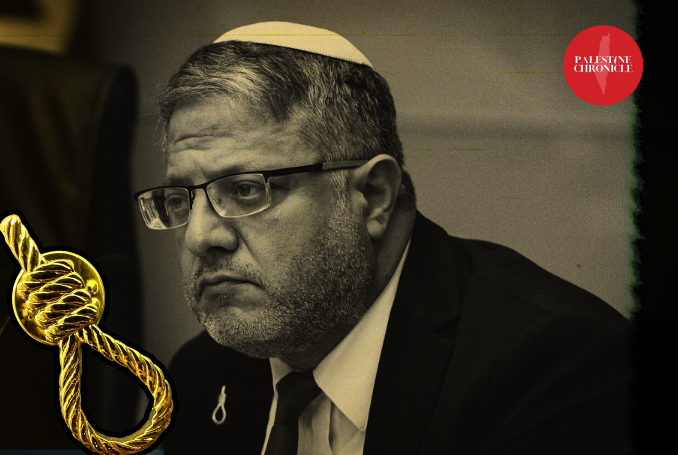
The Noose of Ben-Gvir: Why Only Israel’s Narrative of Annihilation is Actionable
Only real accountability — through political, legal, and economic pressure — can halt Israel’s advance toward continuing its genocidal campaign.
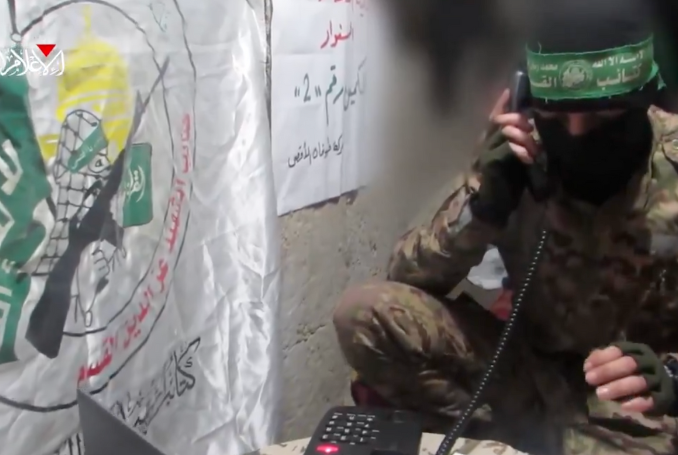
Ending Resistance: Why Palestinians Face the Same Fate, Weapons or Not
If Israel’s genocide in Gaza is entirely motivated by the desire to crush the armed groups, then why the continued crushing of the West Bank?
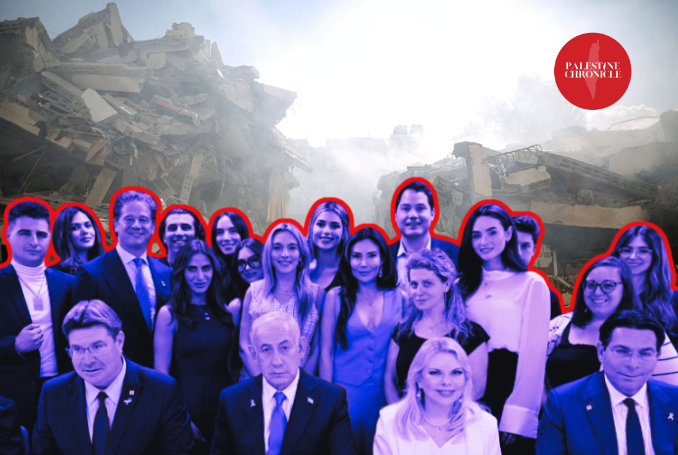
The Final Reckoning: Israel’s Last-Ditch Battle to Win the Media War
The final reckoning unfolds in the information warzone. The coming months and years mark the most critical fight for truth in the conflict’s history.
The Last Earth:A Palestinian Story
Spanning decades and encompassing war, mass exodus, epic migrations and the search for individual and collective identity, The Last Earth tells the story of modern Palestine through the memories of those who have lived it.
Ordinary Palestinians have rarely narrated their own history. In this groundbreaking book, acclaimed author Ramzy Baroud draws on dozens of interviews to produce vivid, intimate and beautifully written accounts of Palestinian lives – in villages, refugee camps, prisons and cities, in the lands of their ancestors and in exile. Baroud’s empathetic and lyrical approach reveals new human dimensions of the Palestinian saga, telling it as it has never before been told.

My Father Was a Freedom Fighter: Gaza’s Untold Story
This book is a personal account of the daily lives of the people of the frontline of the Palestine / Israel conflict, giving us an insight into the deadly, seemingly never-ending rounds of violence.
Ramzy Baroud tells his father’s fascinating story. Driven out of his village to a refugee camp, he took up arms and fought the occupation at the same time raising a family and trying to do the best for his children.
Baroud’s vivid and honest account reveals the complex human beings; revolutionaries, great moms and dads, lovers, and comedians that make Gaza so much more than just a disputed territory.

L’ultima terra. Una storia palestinese
In L’Ultima Terra, Una storia palestinese, Ramzy Baroud ricostruisce la storia della Palestina attraverso le voci di chi l’ha vissuta in prima persona. Il libro rompe con la storiografia tradizionale per dare spazio alle testimonianze di rifugiati, famiglie sradicate e prigionieri politici, trasformando la memoria individuale in una narrazione collettiva.
Fondendo storia orale, racconto personale e analisi politica, L’Ultima Terra sfida i discorsi dominanti che hanno a lungo negato ai palestinesi il diritto di raccontarsi. È un’opera che restituisce centralità all’esperienza umana della Nakba, dell’esilio e della resistenza, affermando che la storia palestinese non è solo perdita, ma anche dignità, sumoud e legame con la terra.

أبي ذلك المناضل، قصة غزة التي لم تُروَ بعد
ليس التاريخ ما يكتبه المنتصرون، فهؤلاء يوظفون قوة انتصارهم لفرض روايتهم عمّا يجب أن يكون التاريخ. هذه الحقيقة أدركها رمزي بارود، فتحدّى السردية الغربية الشائعة عن غزة وفلسطين، تلك التي كتبها الغزاة، وترك مهمة الكتابة للضحايا أنفسهم. فجاءت الرواية واقعية وصادقة، مشبعة بالكارثة والبطولة معاً. إنها شهادة عن حياة تُعاش على خطوط المواجهة، حيث العنف ليس حدثاً عابراً بل واقعاً دائماً يطبع الوجود الفلسطيني.
لم يخترع الكاتب تاريخاً، بل استمده من حياته العائلية الفلسطينية، ومن سيرة والده الذي اقتُلع من قريته إلى مخيم لجوء، فحمل السلاح في مواجهة الاحتلال، وربّى أسرة وسط القصف والتشريد. لم يكتب كتابه للعرب، بل للغربيين بلغتهم، مخاطباً بيئة احتضنت المشروع الصهيوني وشرّعت جرائمه. ورغم إدراكه لقدرة إسرائيل العسكرية على تغيير الجغرافيا، بقي مؤمناً بأن إرادة الفلسطينيين هي التي تصنع التاريخ، وأن نضال غزة وأهلها لن يضيع سدى.
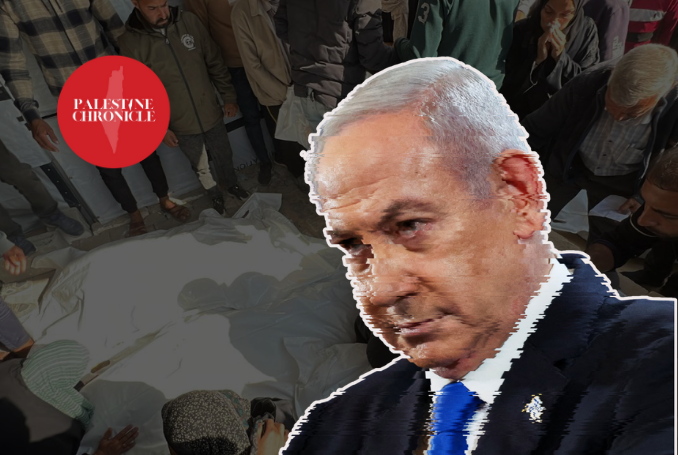
Netanyahu’s Endgame: Isolation and the Shattered Illusion of Power
It remains uncertain how long Netanyahu will remain in power, but his political standing has significantly deteriorated. He faces widespread domestic opposition and international condemnation.

Gaza’s Graveyard of Illusions: How Israel’s Narrative Collides with Military Failure
Israel has clearly failed to secure any genuine or lasting victory, and the obvious solution is for Israel to be reined in and held accountable for its crimes in Gaza and throughout Palestine.
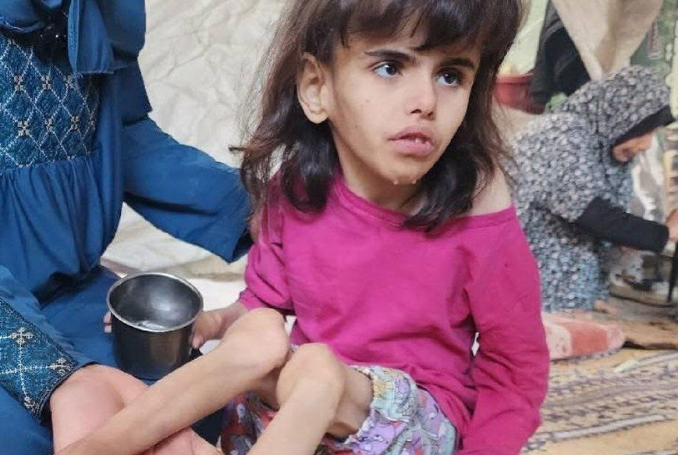
The Price of Silence: Gaza’s Famine and the Erosion of Our Humanity
The inability to ensure basic aid to Gaza will profoundly question our shared humanity for years to come.
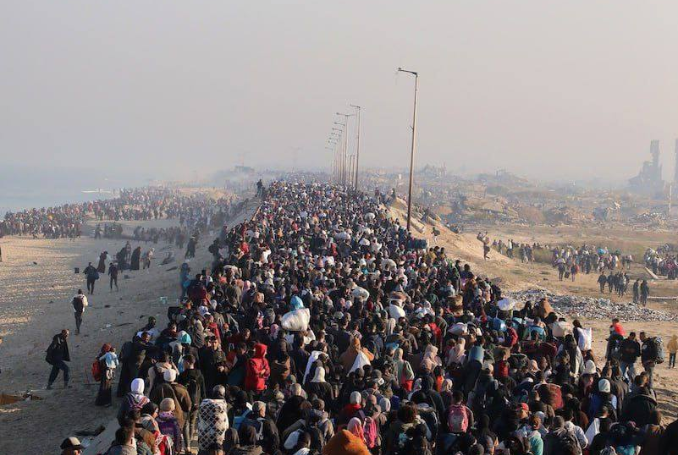
The Myth of Conquest: Why Gaza Will Never Be Subdued by Israel
Israel itself is acutely aware of this inherent paradox, hence its immediate and brutal choice: the perpetration of a genocide, a horrific act intended to pave the way for the ethnic cleansing of the remaining survivors.
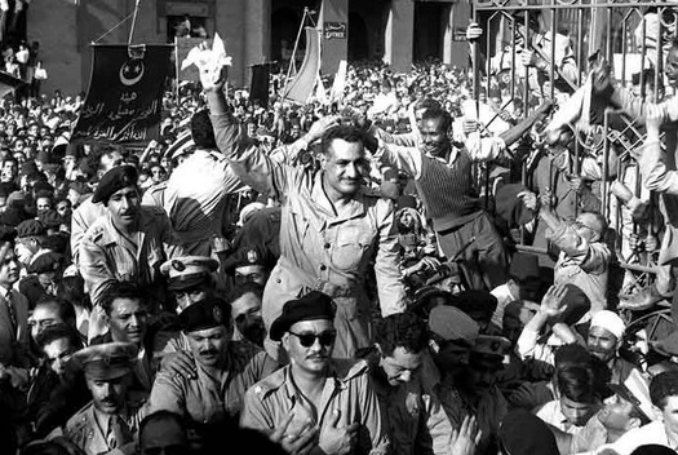
Unveiling Nasser’s Secrets: Arabs, Palestine, and the Crucial Timing
Palestinians’ expectations from the Arab world have shifted. They no longer seek a call to arms or a comprehensive embargo on Israel, but rather the cessation of any actions that support the adversary against the two million besieged people in Gaza.