- March 6, 2026

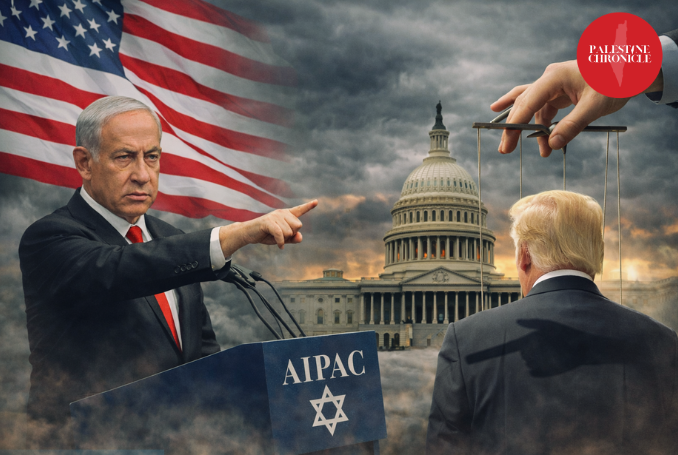
Debunked and Confirmed: Myths and Realities from the Iran War
The war on Iran has shattered US-Israeli myths and confirmed deeper truths about power, resistance and regional reality.
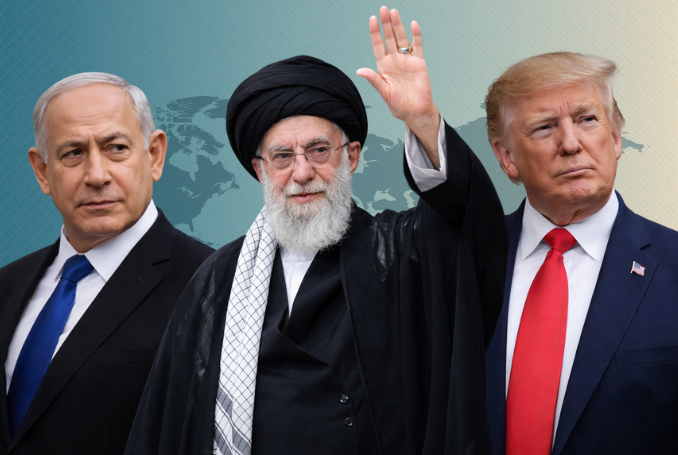
Who Decides What Is Legitimate? Power, Democracy, and the War on Iran
Democracy is invoked as moral legitimacy in war, while Iran’s authority rests on layered political, religious, and historical foundations.
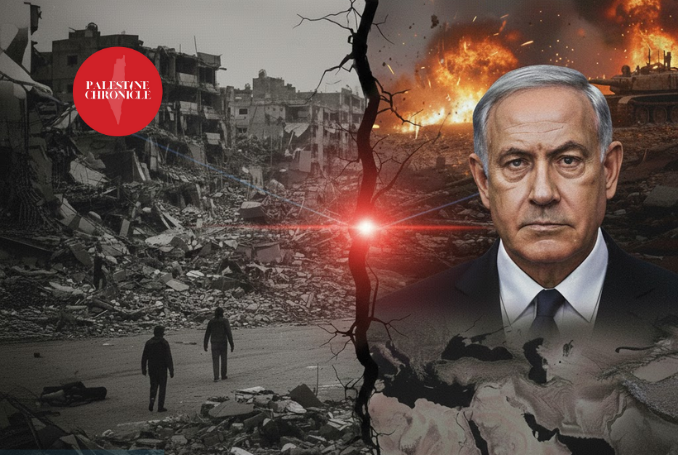
Teetering on the Brink of Genocide: Why Netanyahu is Keen on Prolonging the Gaza War
The war on Gaza is not merely a military campaign. It is the linchpin holding together Netanyahu’s political survival, ideological project, and regional ambitions—one he appears determined to keep firmly in place.
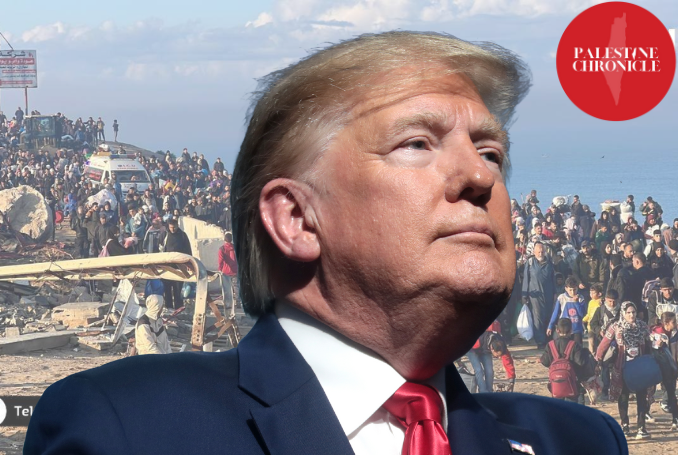
Shifting Allegiances: The Role of Palestine in US Domestic and Foreign Policy
Palestine may not be the sole measure by which the Trump administration will be judged, nor the only factor shaping future voting patterns. Yet, it is undoubtedly a crucial test.
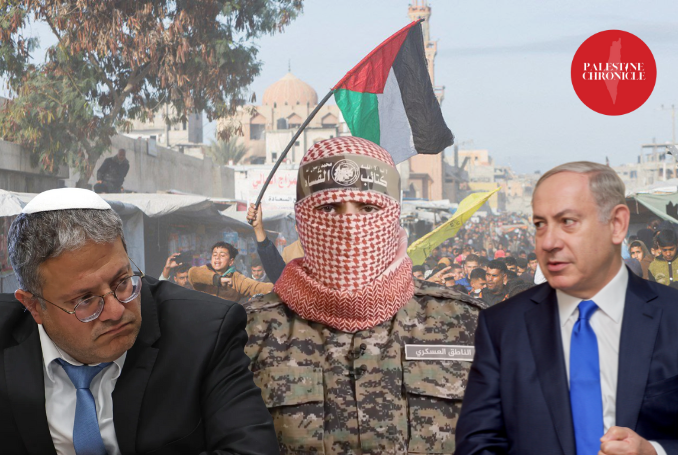
Gaza Ceasefire at Last: How Israel’s ‘First Defeat’ Will Shape the Country’s Future
Unlike previous military campaigns in Gaza—on a much smaller scale compared to the current genocidal war—there is no significant strand of Israeli society claiming victory.

The Price of Impunity in Gaza: Is This Israel’s Day of Reckoning?
It is time for Israel to learn yet another lesson: that the age of accountability has begun.
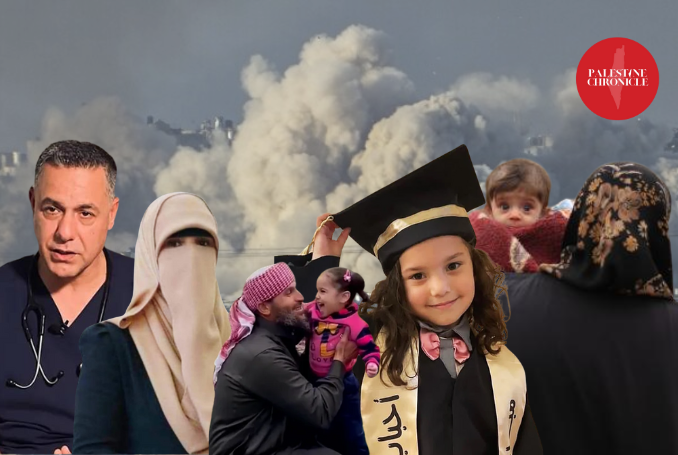
A Palestinian Year in Review: Genocide, Resistance and Unanswered Questions
The story of the Israeli war on Gaza can be epitomized in the story of the Israeli war on Beit Lahia, a small Palestinian town in the northern part of the Strip.

Using the Gaza Playbook in Lebanon – How Words Can Justify a Genocide
Perpetuating Israeli lies is dangerous, not only because truth-telling is a virtue but also because words kill, and dishonest reporting can, in fact, succeed in justifying genocide.
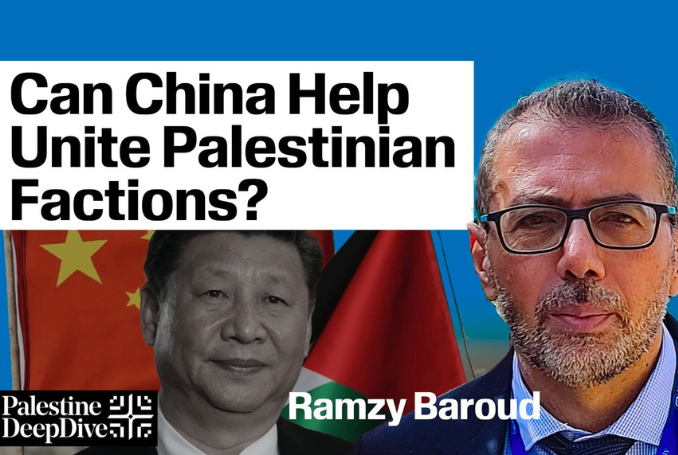
‘Our Unity is Critical’ – Ramzy Baroud about US Decline and China’s Rise in the Middle East (VIDEO)
Regarding the unity talks held in China, Baroud said that “Our unity now is critical. Because no one, not China, not Russia, not even the United States, will ever take us seriously if we remain divided.”
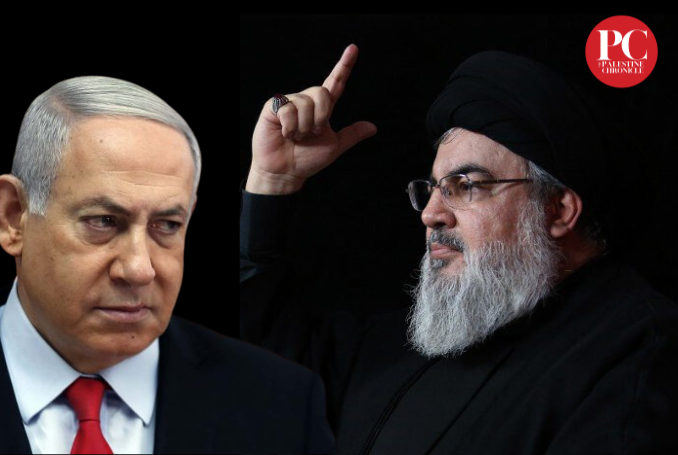
A ‘Genocidal Maniac’: What is Netanyahu’s Ultimate Goal in the Middle East?
Netanyahu must be restrained. If not, the Israeli genocide in Gaza will multiply into other genocides throughout the Middle East.
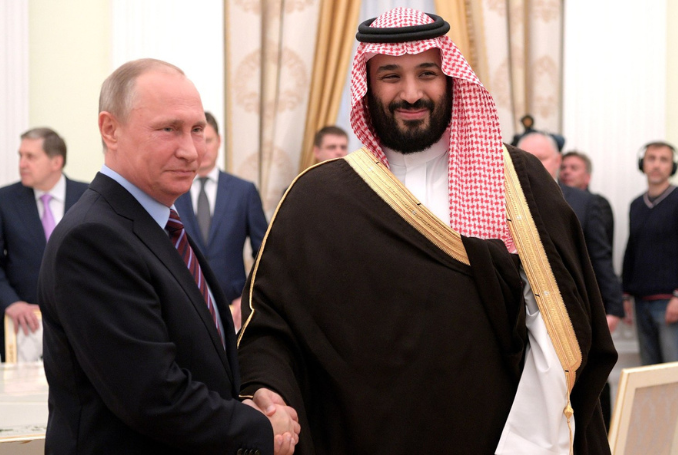
Moscow and Gaza: Is Russia Ready for a Major Shift in its Middle East Policy?
Time will tell whether Russia will be able to stake a claim and help define a new Middle East in the post-Gaza war.
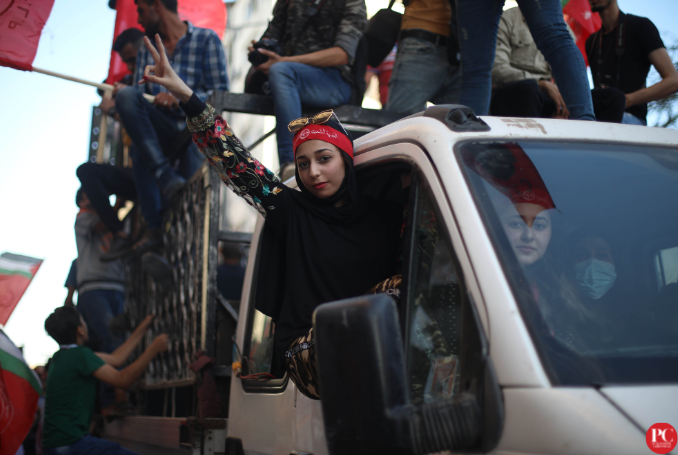
The Gaza Manifesto: Why America’s Old Middle East is Crumbling
To think that tiny little Gaza is the spark that has refocused the energies of the whole region is a political miracle.
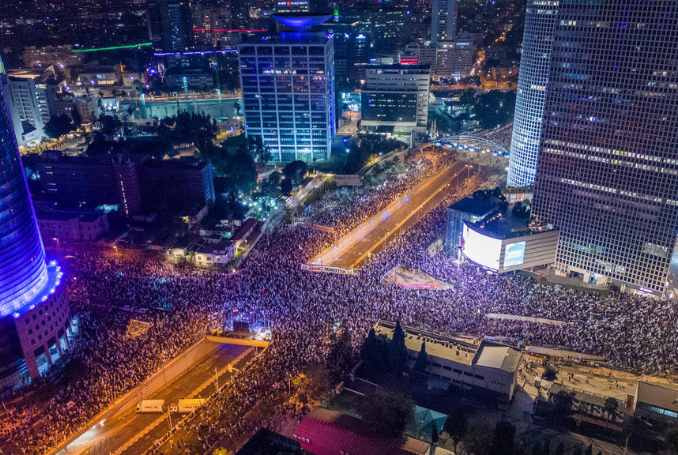
Tel Aviv’s Losing Brands: Israeli ‘Coup’ and the Death of False Democracy
Certainly, what is taking place in ‘democratic’ and ‘stable’ Israel is truly unprecedented. Israel’s current vulnerability is accentuated by the massive and rapid changes to the political map of the Middle East and the world.
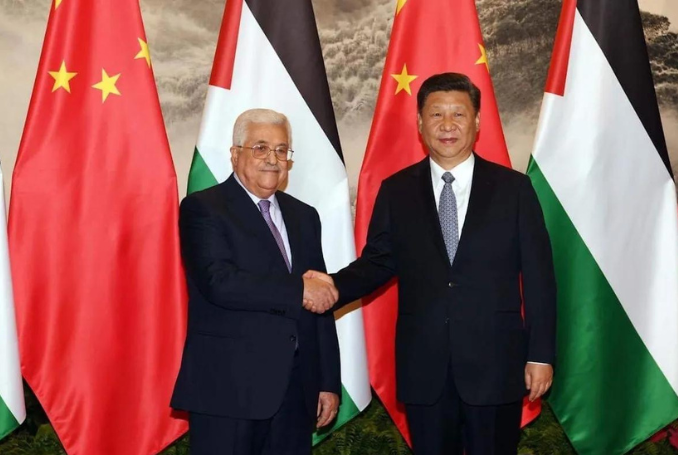
Palestinians Welcome China’s New Middle East Role, but It is Not Mediation They Need
Palestinians need China, as they need other powerful players in the Global South, but it is not mediation that they desperately require.

On Giuseppe Trani and the ‘Human Condition’: Positive Vibes for 2023
We are not doomed to define ourselves by a ‘human condition’ in which change is not possible and where greed, selfishness and monopoly always prevail over the need for fairness, generosity and equality.
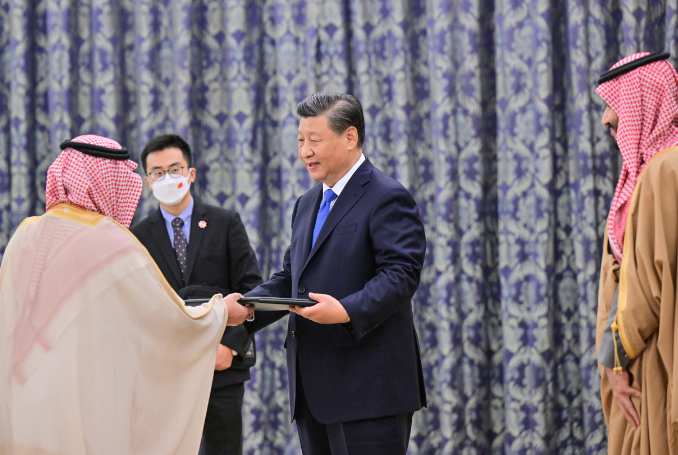
Xi’s Visit and the Future of the Middle East: China-Arab Ties are Permanent
It would be unfair – in fact, misguided – to suggest that large political entities like China and Arab countries combined are shaping their foreign policy agendas, thus staking their futures, on knee-jerk political reactions to the attitude of a single American President or administration.

The ‘Begin Doctrine’: World Must Force Israel to Dismantle Its Nuclear Arsenal
It behooves everyone, Washington included, to join the rest of the world in finally forcing Israel to join the Non-Proliferation Treaty, a first but critical step towards long-delayed accountability.
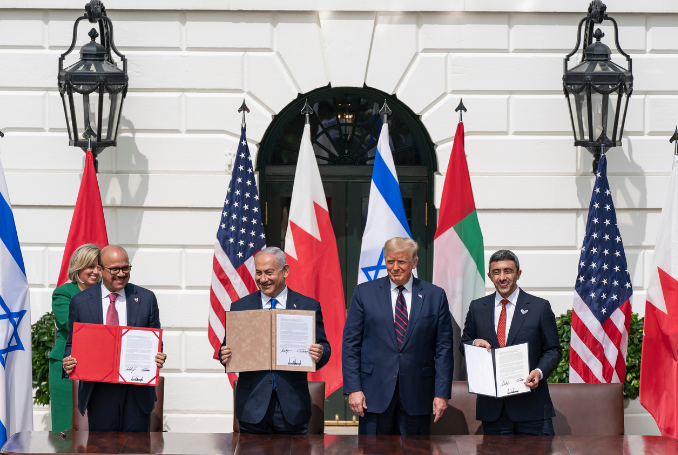
From Ally to Enemy: Australia Hammers Final Nail in US ‘Deal of the Century’
In the final analysis, it has become clear that the ‘Deal of the Century’ was not an irreversible historical event, but an opportunistic and thoughtless political process that lacked a deep understanding of history and the political balances that continue to control the Middle East.
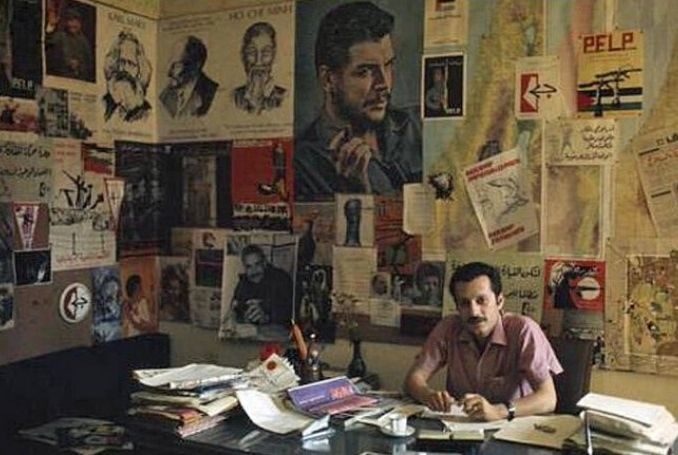
Palestinians ‘Are Not Animals in a Zoo’: On Kanafani and the Need to Redefine the Role of the ‘Victim Intellectual’
But for the Palestinian narrative to be truly relevant, Palestinians must indeed assume the role of the Gramscian intellectual, as “purveyors of consciousnesses” and abandon the role of the ‘victim intellectual’ altogether.
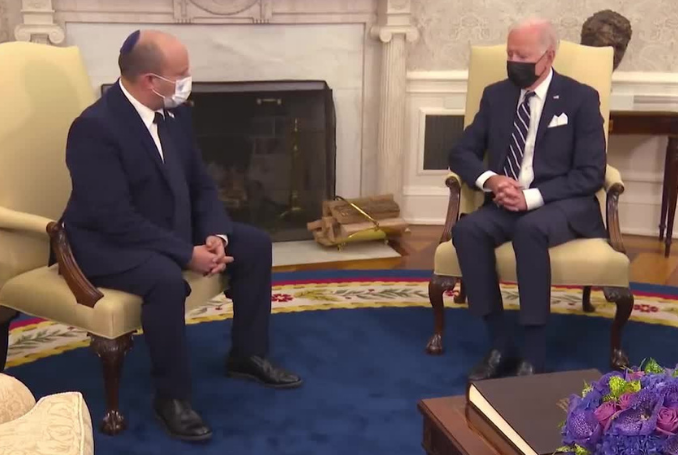
Can Israel Exist without America: Numbers Speaks of a Changing Reality
The fight against Israeli occupation and apartheid can no longer be disproportionately focused on breaking up the ‘special relationship’ that united Tel Aviv and Washington for over 50 years.