- March 13, 2026

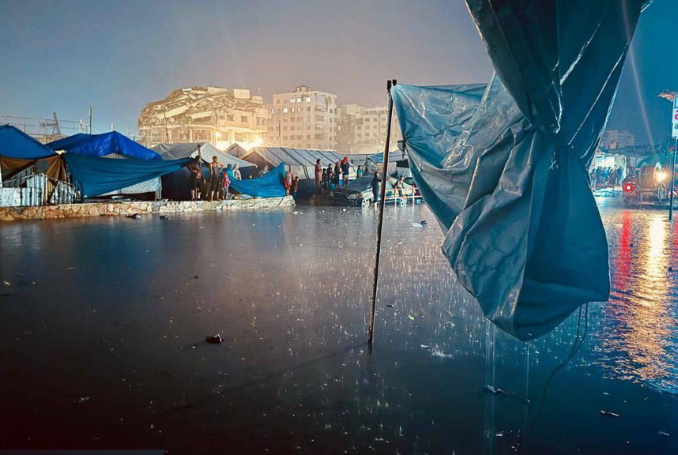
Killed Twice – Gaza Abandoned While the Genocide Persists
Palestinians are killed twice: first through genocide, and then through erasure — through silence, distraction, and the gradual withdrawal of attention from their ongoing collective suffering.
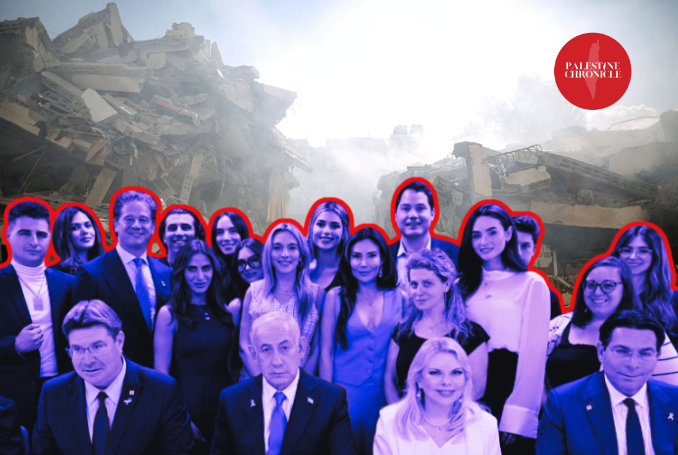
The Final Reckoning: Israel’s Last-Ditch Battle to Win the Media War
The final reckoning unfolds in the information warzone. The coming months and years mark the most critical fight for truth in the conflict’s history.
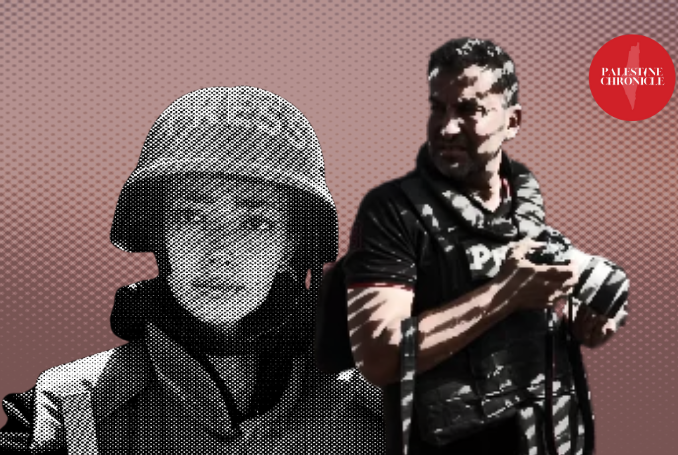
Beyond Western Hegemony: A Call for Middle Eastern Media Autonomy
As the world continues to experience massive and historical shifts towards new centers of power, the Middle East should take advantage of the ample opportunities created by the shifts.

Trump’s Claims on Gaza Expulsion Challenged by Dr. Ramzy Baroud
In a recent interview, Dr. Baroud emphasized that Trump holds no real leverage over the Palestinian people.

When Censorship Kills – Social Media and the War on the Palestinian Narrative
Social media censorship is a global phenomenon, but the war on pro-Palestinian views on social media represents a different kind of censorship, with consequences that can only be described as dire.
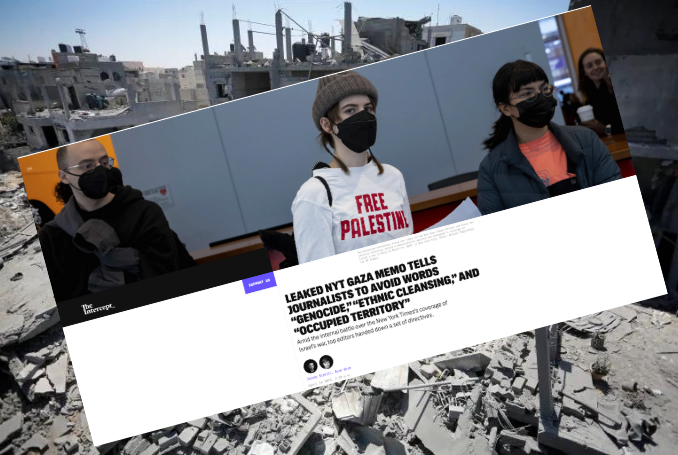
Cruelty of Language: Leaked NY Times Memo Reveals Moral Depravity of US Media
As Gaza continues to resist the injustice of the Israeli military occupation and war, the rest of us, concerned about truth, accuracy in reporting and justice for all, should also challenge this model of poor, biased journalism.
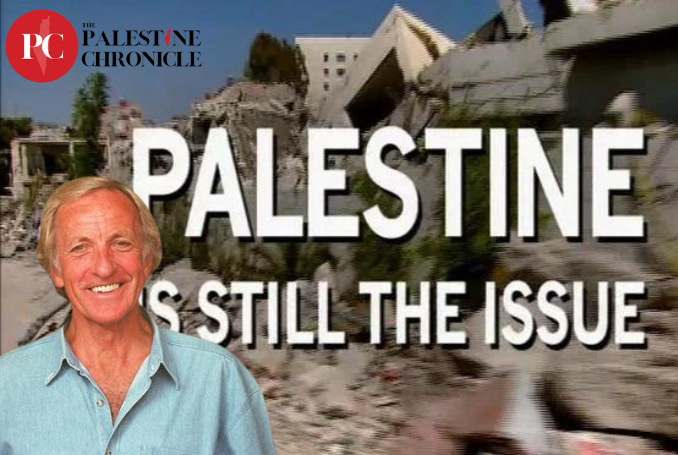
The Inimitable John Pilger: The Warrior of Principled Journalism Has Passed Away
He stood firmly on the side of oppressed people, spoke strongly against the injustices meted out by the powerful, and uncompromisingly defended free speech whenever it is threatened.
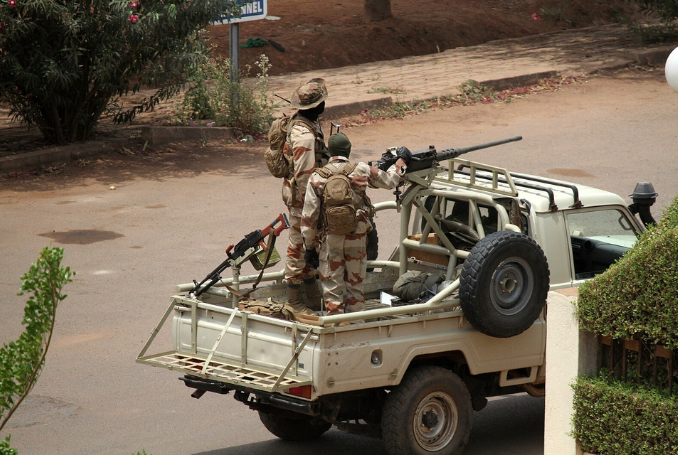
‘Epidemic’ or Revolution: The Other Side of the West Africa Upheaval
The political discourse emanating from West Africa, although largely inaccessible, speaks of a collective desire for a paradigm shift.
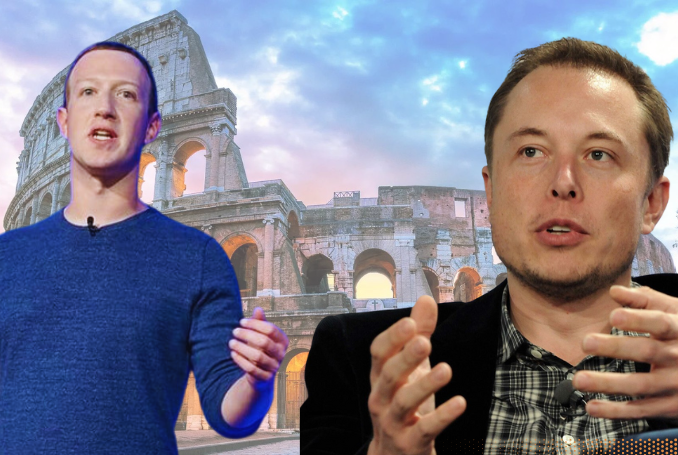
Panem et Circenses: Why the Musk-Zuckerberg Fight Concerns All of Us
The Musk vs. Zuckerberg’s fight does, in fact, matter. Not for anything related to two of the richest men in the world. It is relevant for us, because it is intended to be our circus.
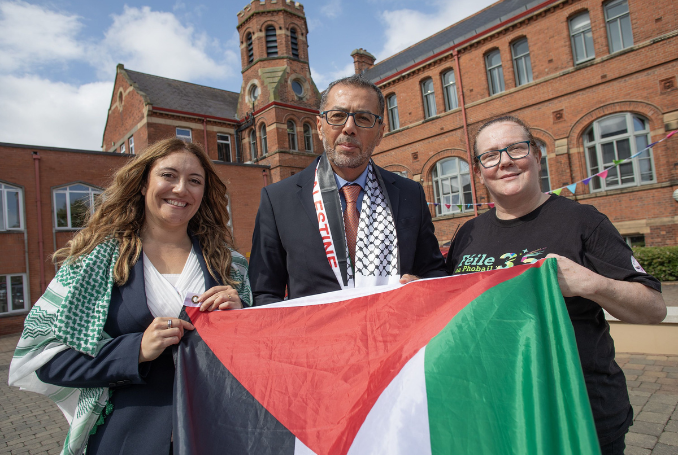
‘Ireland is a Pillar of Solidarity for Palestinians’: Interview with Ramzy Baroud
n an interview organized through the Ireland-Palestine Solidarity Campaign and Jews for Palestine-Ireland, Ramzy Baroud spoke about his work in establishing the Palestine Chronicle news network which he was determined would give a voice to ordinary Palestinians.
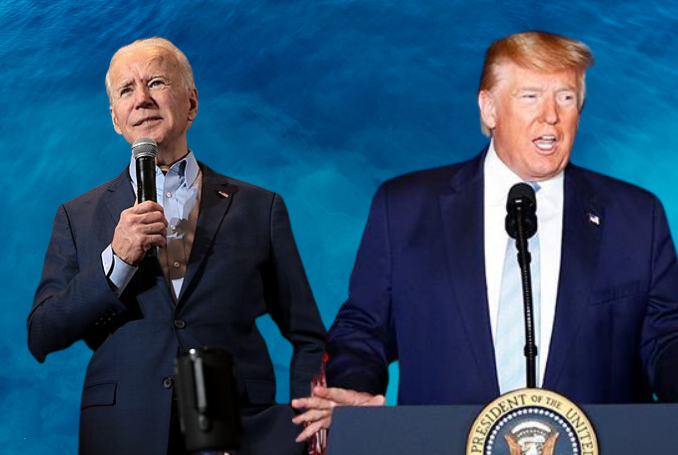
Lying about Lying: Why We Must Revisit the Definition of ‘Fake News’
The phrase ‘fake news’ continues to be deployed routinely in US politics. In a polarized political atmosphere, both Republicans and Democrats distrust media organizations affiliated with opposing parties.
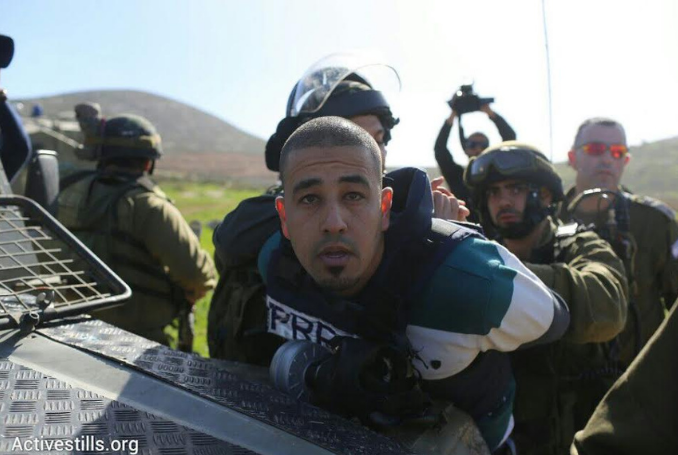
Palestinians Are Not Liars: Confronting the Violence of Media Delegitimization
It is time to break away from the old way of thinking that saw the Palestinian as incapable of narrating, or of being a liability on his/her own story.
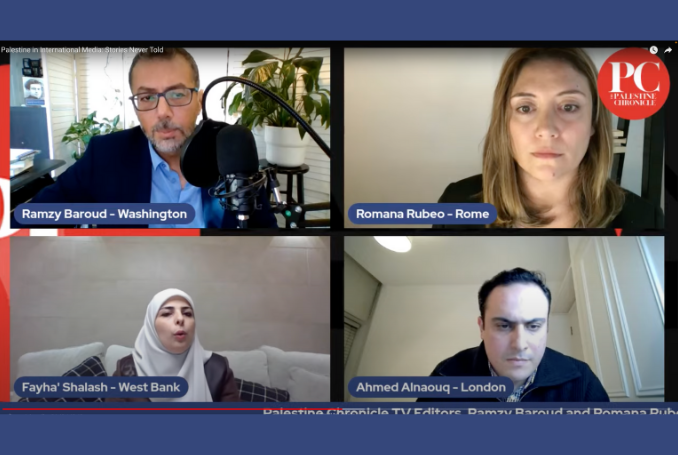
WATCH NOW: ‘You Only Need to Tell the Truth’ – Palestinian Journalists Discuss Media Priorities
‘We Are Not Numbers’ director, Ahmed Alnaouq, and West Bank-based journalist, Fahya Shalash join Romana Rubeo and Ramzy Baroud in this critical and exciting conversation on Palestine in the media.
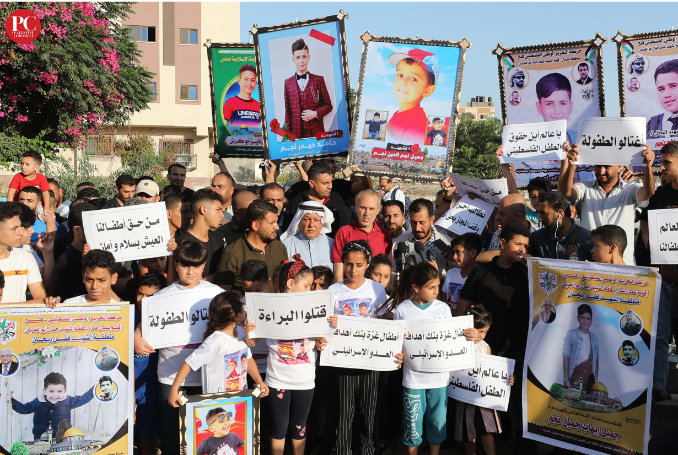
Fake Neutrality: How Western Media Language Misrepresents Palestinians, Shields Israel
While US and western mainstream and corporate media remain biased in favor of Israel, they often behave as if they are a third, neutral party. This is simply not the case.
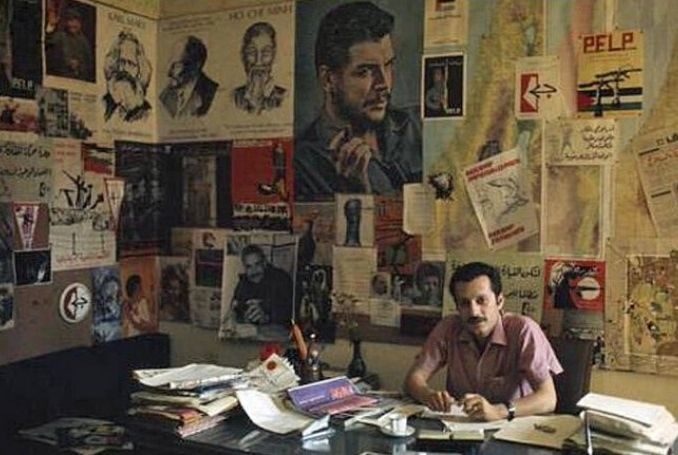
Palestinians ‘Are Not Animals in a Zoo’: On Kanafani and the Need to Redefine the Role of the ‘Victim Intellectual’
But for the Palestinian narrative to be truly relevant, Palestinians must indeed assume the role of the Gramscian intellectual, as “purveyors of consciousnesses” and abandon the role of the ‘victim intellectual’ altogether.
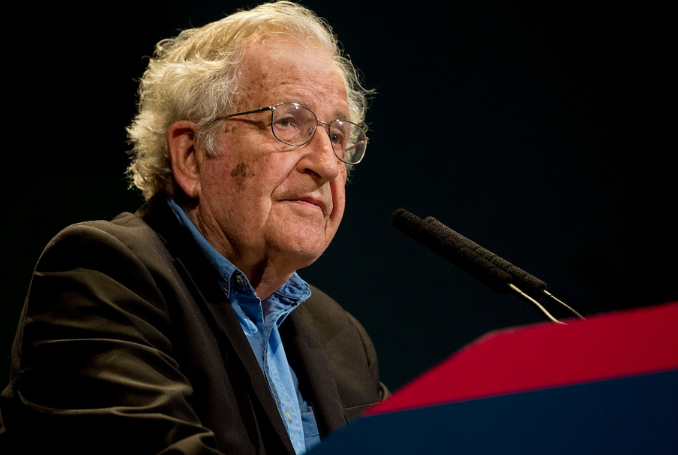
‘Rationality is Not Permitted’: Chomsky on Russia, Ukraine and the Price of Media Censorship
While an alternative understanding of the devastating war in Ukraine is disallowed, the West continues to offer no serious answers or achievable goals, leaving Ukraine devastated and the root causes of the problem in place.
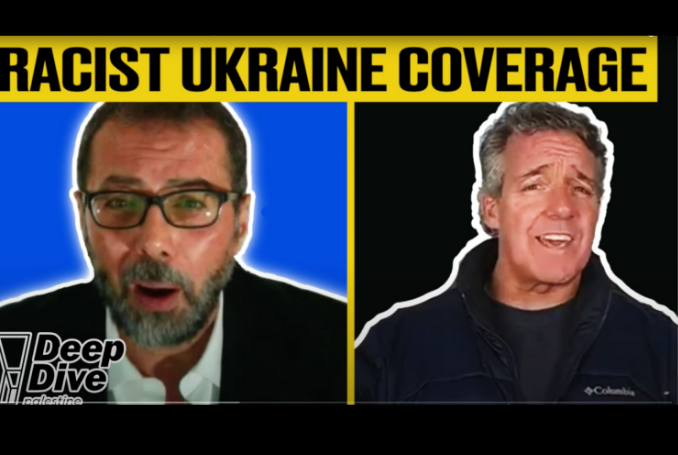
‘Hypocrisy Does Not Begin to Describe It’: Baroud on the Ukraine Crisis and the Changing Global Order (VIDEO)
Mark Seddon discusses with Ramzy Baroud the unfolding crisis in Ukraine through the eyes of the Palestinian people.
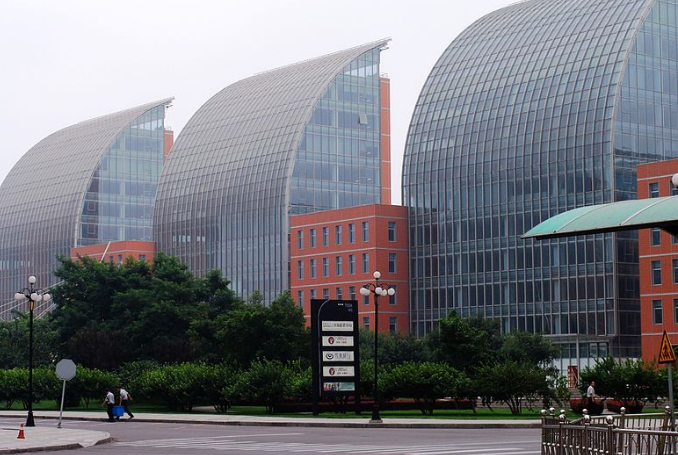
The West’s China Complex: Beijing as the Enemy and the Savior
Such fluctuations will unlikely change the narrative of the determined Chinese rise as a global power, or that of the unmistakable western decline. The sooner we acknowledge this reality, the better.
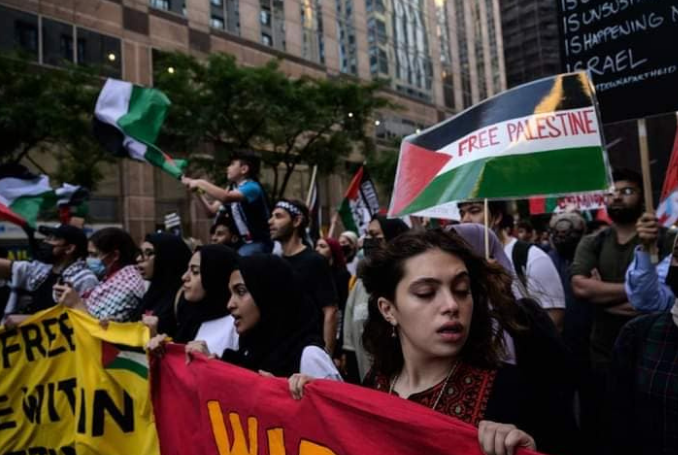
The Quiet Rebellion: Why US Jews Turning against Israel is Good for Palestinians
Israel is now at a crossroads. It can only win back the support of US Jews if it behaves in such a way that is consistent with their moral frame of reference. Hence, it would have to end its military occupation, dismantle its apartheid regime and reverse its racist laws.
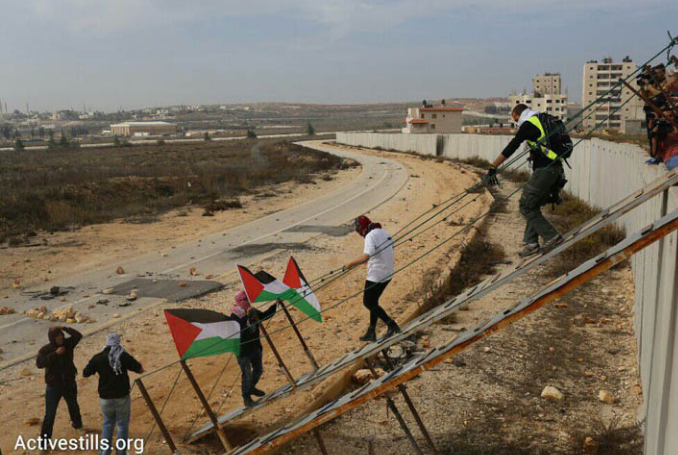
The Evolution of Apartheid: Why Israel is Becoming a Pariah State
No amount of Israeli propaganda and smear campaigns can turn the tide back in favor of Israel. While it may be too early to speak of a major paradigm shift, it is certainly no longer far-fetched to imagine that such a possibility is finally at hand.