- March 6, 2026

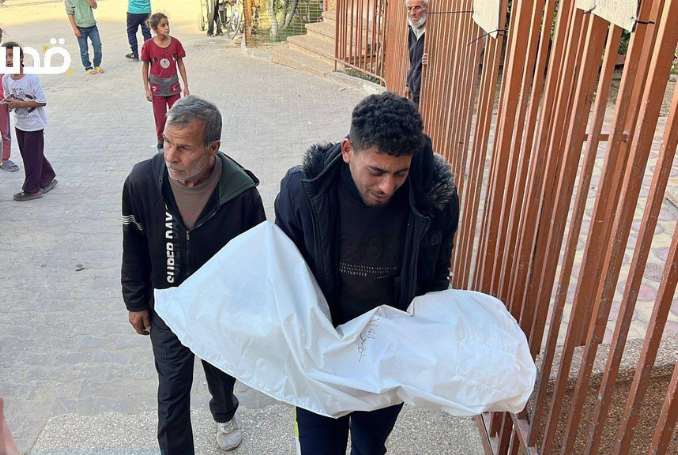
Coming Soon: How the World is Preparing the Ground for the Next Palestinian Genocide
Tragically, the conditions that fueTragically, the conditions that fueled the first wave of genocide in Gaza are being meticulously reconstructed.led the first wave of genocide in Gaza are being meticulously reconstructed.
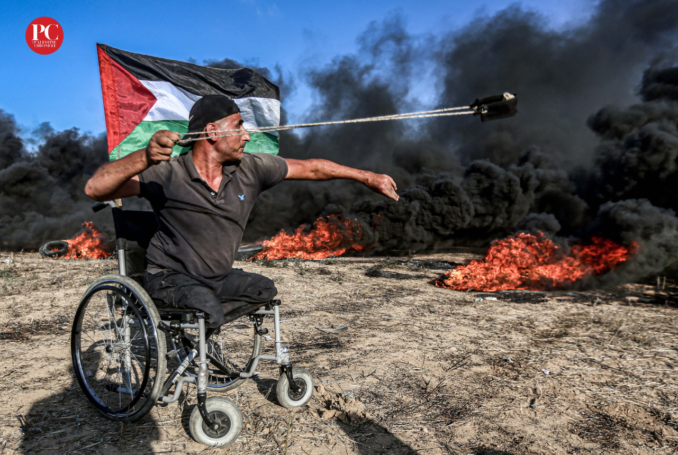
The Cartography of Genocide: Gaza’s Borders of Perpetual Subjugation
Even those not fully familiar with the deep, painful history of Gaza must realize that sustaining the Yellow Line of Gaza is nothing more than a dangerous, bloody illusion.
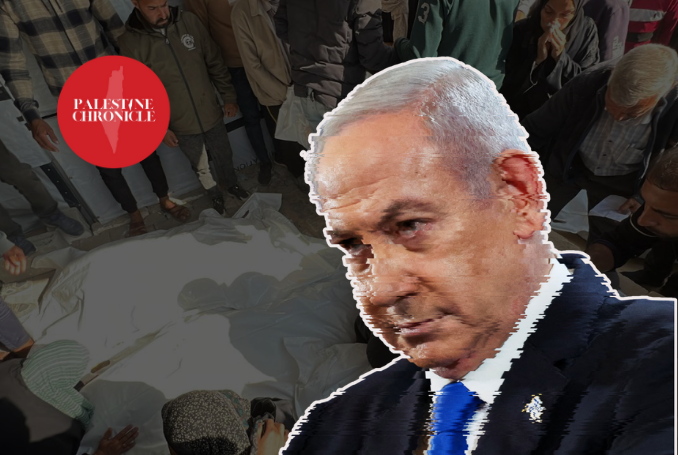
Netanyahu’s Endgame: Isolation and the Shattered Illusion of Power
It remains uncertain how long Netanyahu will remain in power, but his political standing has significantly deteriorated. He faces widespread domestic opposition and international condemnation.

Gaza’s Graveyard of Illusions: How Israel’s Narrative Collides with Military Failure
Israel has clearly failed to secure any genuine or lasting victory, and the obvious solution is for Israel to be reined in and held accountable for its crimes in Gaza and throughout Palestine.

Screaming Soldiers and Open Revolt: How One Video Unmasked Israel’s Internal Power Struggle
Eyal Zamir, who had already committed that “2025 will be a year of war,” seems less inclined now to escalate the war beyond Israel’s ability to sustain it.
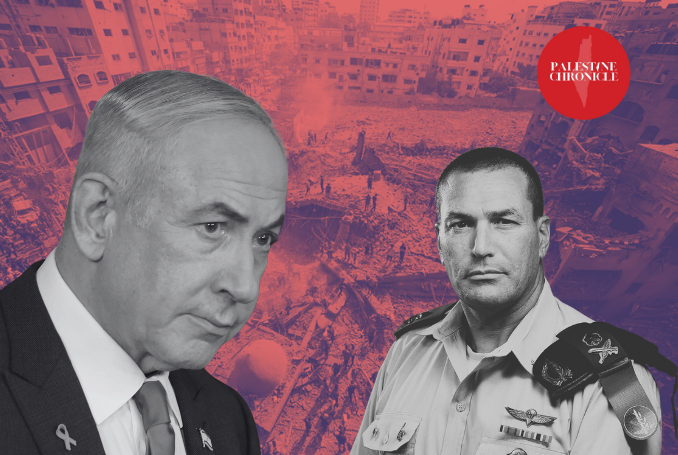
From Gaza to the West Bank: Israel’s Unyielding War Machine
If Israel persists in making 2025 a “year of combat” focused on the West Bank, the consequences could be dire, especially for an army that has already suffered unprecedented losses on multiple fronts.

On the Long History of Gaza’s Sumud: Why the War Ended
It is important to recognize that Palestinians in Gaza stood their ground, despite immense losses, and prevailed. This can only be credited to them.

The Price of Impunity in Gaza: Is This Israel’s Day of Reckoning?
It is time for Israel to learn yet another lesson: that the age of accountability has begun.
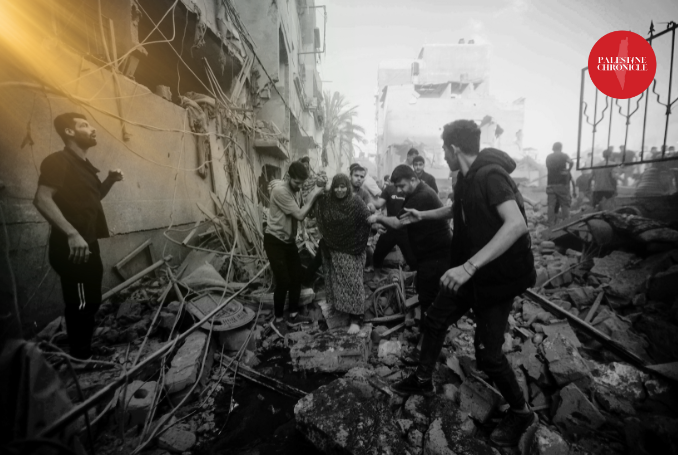
Letters from Gaza – ‘Alhamdulillah. We Are Not Okay’
Over the past 14 months, I have received hundreds of messages from family members throughout the Gaza Strip. The nature of the messages often conveyed a sense of urgency and panic but, at times, contentment in God’s will.
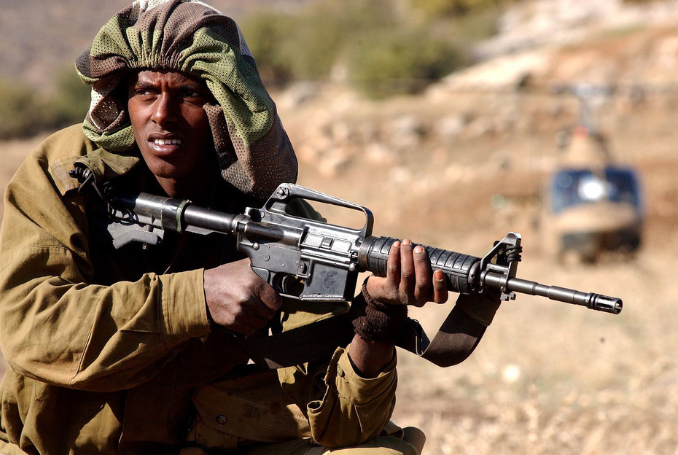
Refugees Killing Refugees – Israel’s Recruiting of Africans in Gaza is a New Low
It is incumbent on African governments to take a strong stance so that Israel ceases its practice of using Africans to kill and die in Gaza.

The Resistance vs. the Palestinian Authority: Will Abbas Lead Palestinians to Civil War?
To live up to Israel’s expectations and to ensure its survival, the PA is willing to clash directly with Palestinians who refuse to toe the line.
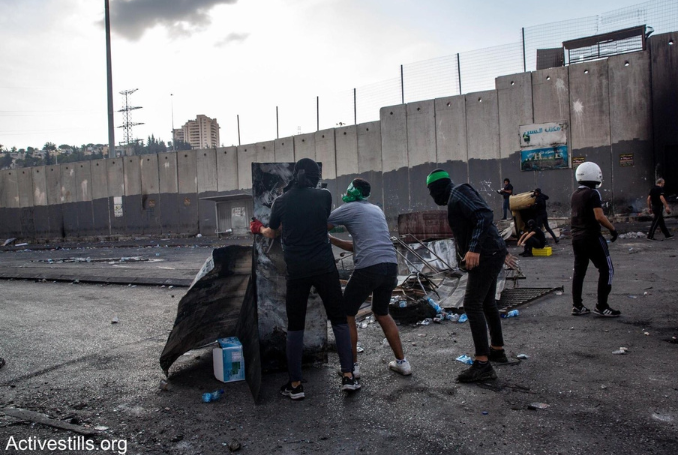
The Armed Revolt: Why Israel Cannot Crush the Resistance in Palestine
The next Intifada in Palestine will be armed, non-factional, and popular, with consequences that are too difficult to gauge.
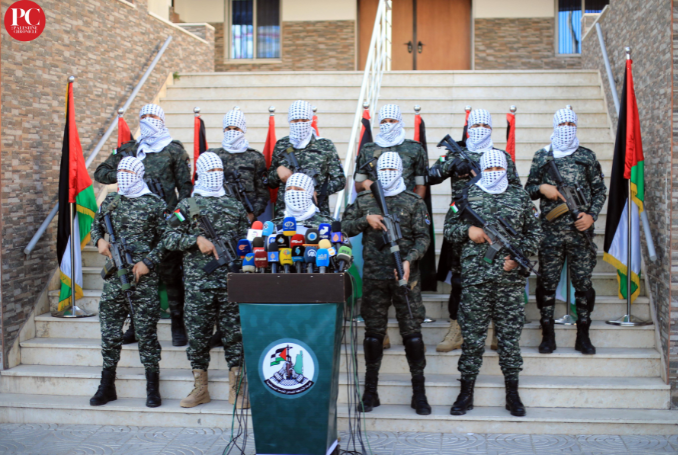
Losing ‘Deterrence’: How Palestinian, Arab Resistance Changed Rules of War with Israel
While Israeli politicians and military strategists are openly fighting over who has cost Israel its precious ‘deterrence,’ very few seem willing to consider that Israel’s best chance at survival is peacefully co-existing with Palestinians.
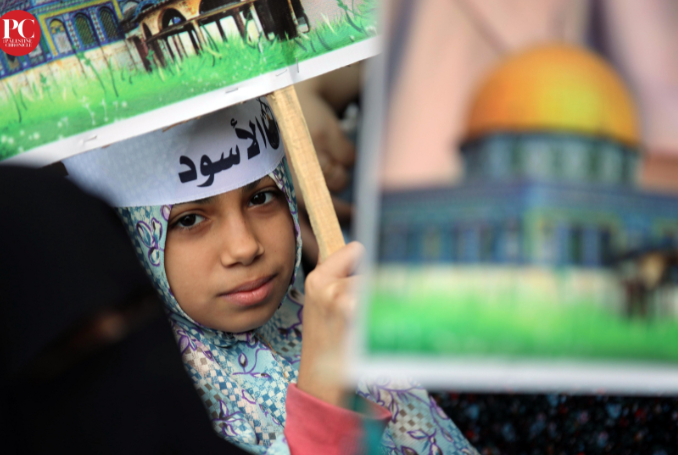
Failed Experiment: Three Reasons Why Israel Fears a Major War on Gaza
With a rightwing, pro-war constituency that is far more interested in illegal settlement expansion and ‘security’ than economic growth or socio-economic equality, Netanyahu should, at least technically, be in a stronger position to launch another war on Gaza. But why is he hesitating?

A State for Some of Its Citizens: Captured Black Soldier’s Saga Highlights Racism in Israel
While Palestinians are resisting Israel’s military occupation and apartheid, Ethiopian Jews should mount their own resistance for greater rights.

The ‘Begin Doctrine’: World Must Force Israel to Dismantle Its Nuclear Arsenal
It behooves everyone, Washington included, to join the rest of the world in finally forcing Israel to join the Non-Proliferation Treaty, a first but critical step towards long-delayed accountability.
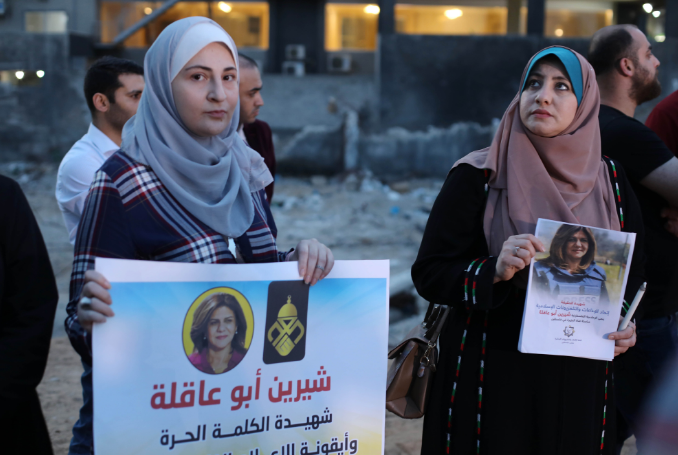
Weakening the ‘Unbreakable Bond’: This is why the FBI Investigation of Israel is Important
The recent decision by the United States Department of Justice to open an investigation into the killing, last May, of Palestinian-American journalist Shireen Abu Akleh is not a game-changer, but important and worthy of reflection, nonetheless.

Strangers Behind the Trees: On the Death of Rayan Suliman and His Fear of Monsters
Children of my Gaza refugee camp were rarely afraid of monsters but of Israeli soldiers. This is all that we talked about before going to bed. Unlike imaginary monsters in the closet or under the bed, Israeli soldiers are real, and they could show up any minute – at the door, on the roof or, as was often the case, right in the middle of the house.
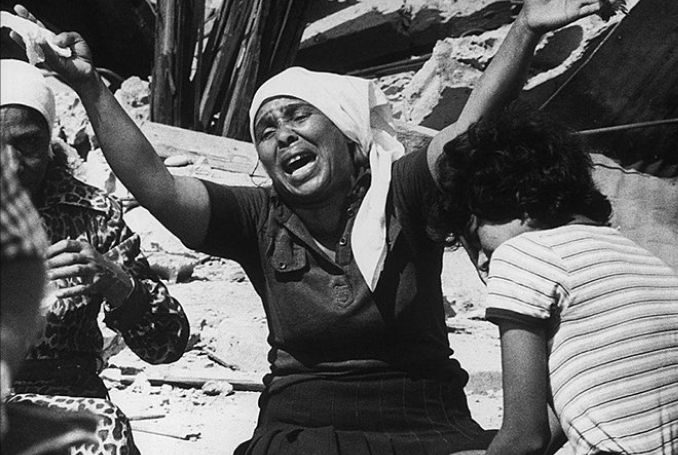
‘Avenging Sabra and Shatila’: On Israeli Massacres and Palestinian Resistance
While Israel continues to act with impunity, Palestinians also continue to resist. This is not just the lesson of Sabra and Shatila, but the bigger lesson of the Israeli occupation of Palestine as well.
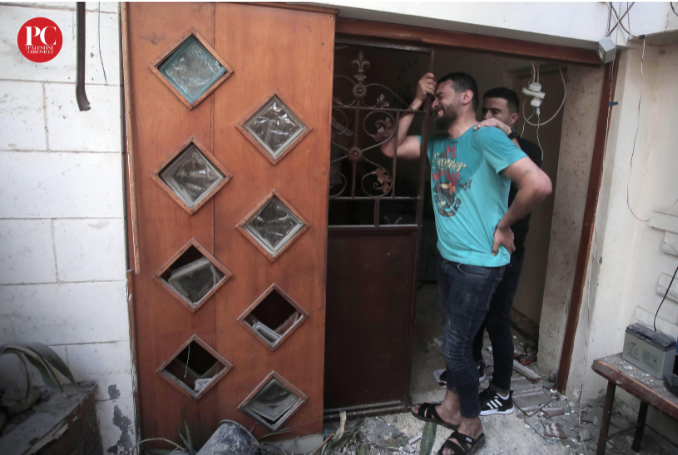
Israel’s Premature ‘Victory’ Celebration: The Defining War in Gaza Is Yet to Be Fought
The Resistance in Gaza commented on the killing of the Nablus fighters by declaring that the conflict with Israel has entered a new phase. Indeed, it has.