- March 14, 2026


Gaza’s Graveyard of Illusions: How Israel’s Narrative Collides with Military Failure
Israel has clearly failed to secure any genuine or lasting victory, and the obvious solution is for Israel to be reined in and held accountable for its crimes in Gaza and throughout Palestine.
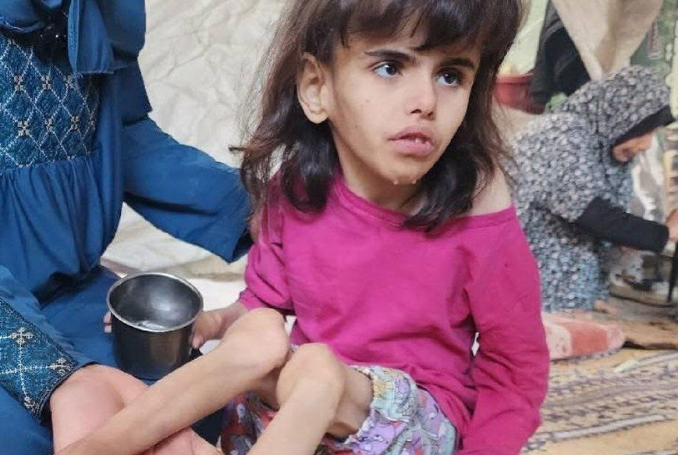
The Price of Silence: Gaza’s Famine and the Erosion of Our Humanity
The inability to ensure basic aid to Gaza will profoundly question our shared humanity for years to come.
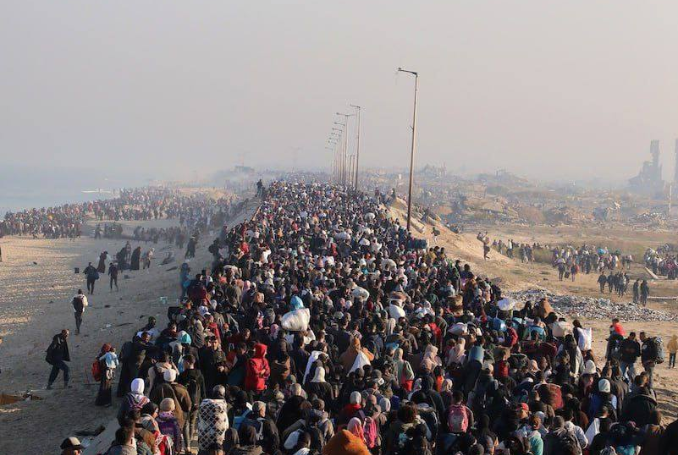
The Myth of Conquest: Why Gaza Will Never Be Subdued by Israel
Israel itself is acutely aware of this inherent paradox, hence its immediate and brutal choice: the perpetration of a genocide, a horrific act intended to pave the way for the ethnic cleansing of the remaining survivors.

Screaming Soldiers and Open Revolt: How One Video Unmasked Israel’s Internal Power Struggle
Eyal Zamir, who had already committed that “2025 will be a year of war,” seems less inclined now to escalate the war beyond Israel’s ability to sustain it.
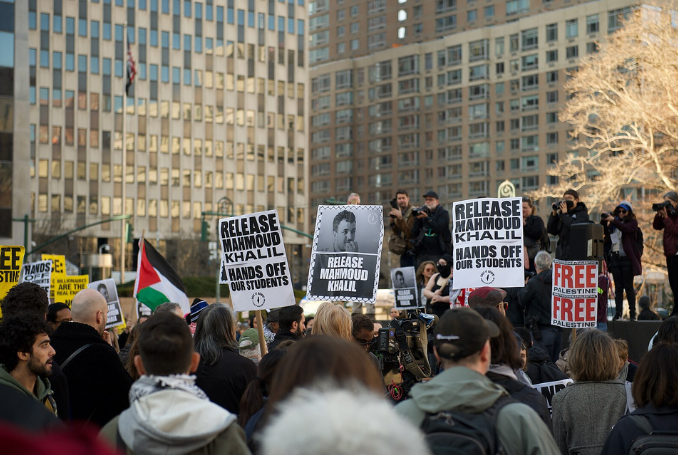
Deporting Dissent: The Dangerous Precedent Set by the Persecution of Pro-Palestine Activists
While US activists advocating for justice in Palestine deserve unwavering support and defense for their profound courage and humanity, Americans must also recognize that they, and the remnants of their democracy, are equally at risk.
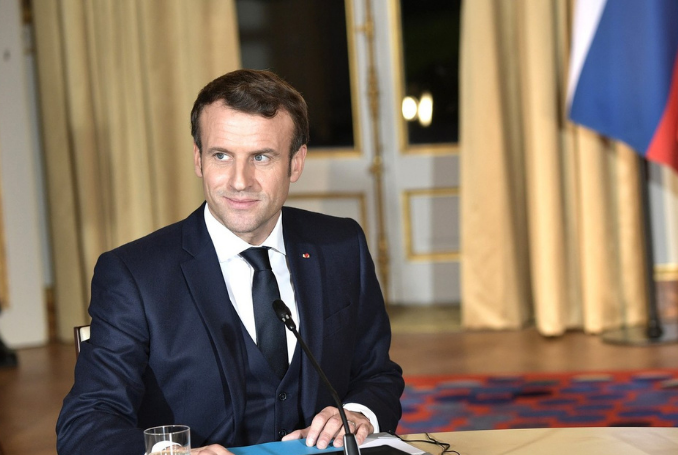
French Contradictions: Macron’s Palestine Play – Too Little, Too Late?
The fact that France would be among the last group of countries in the world to formally recognize Palestine, speaks volumes about France’s apparent attempt to belatedly align itself with the prevailing global consensus.
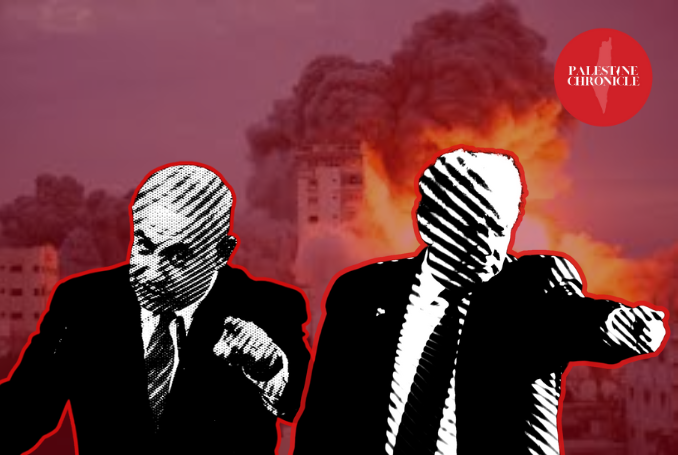
Beneath the Surface: Is the Trump-Netanyahu ‘Unthinkable’ About to Erupt?
Netanyahu’s political standing is diminished. He is perceived as a failed political leader and military strategist, unable to secure decisive victories or extract political concessions from his adversaries.
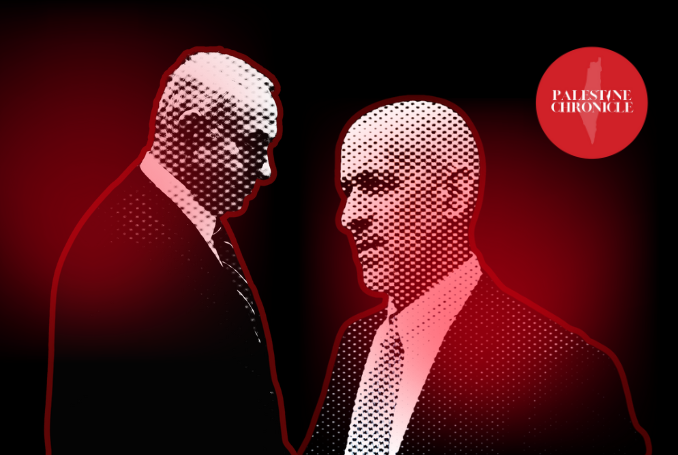
The Politics Behind Netanyahu’s Shin Bet Scandal, and the Trump Factor
Netanyahu’s actions have violated a longstanding taboo, further exacerbating Israel’s already unprecedented internal crisis.
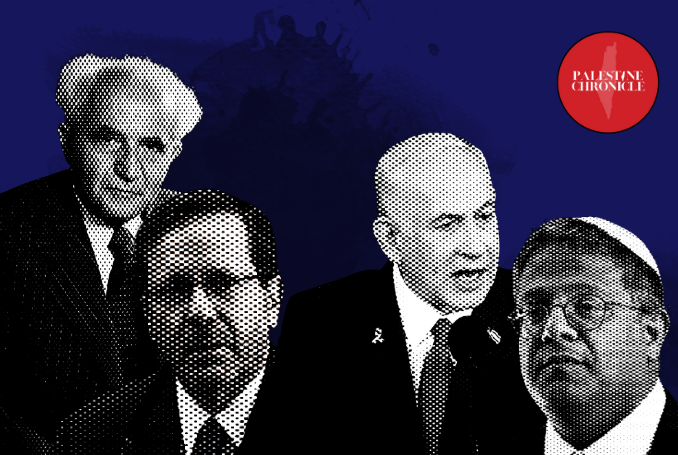
Civil War on the Horizon? The Ashkenazi-Sephardic Conflict and Israel’s Future
Though the Ashkenazis are losing most of their political power, they continue to hold most of their economic cards, which could lead to disruptive strikes and civil disobedience.
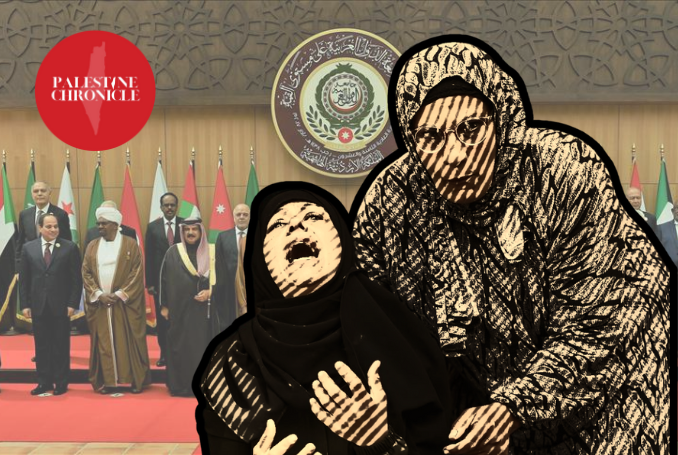
The Hidden Hand: Arab Governments and the Perpetuation of Israeli Brutality
As solidarity with Palestine has increasingly expanded from the global South to the global majority, Arabs remain largely ineffective.
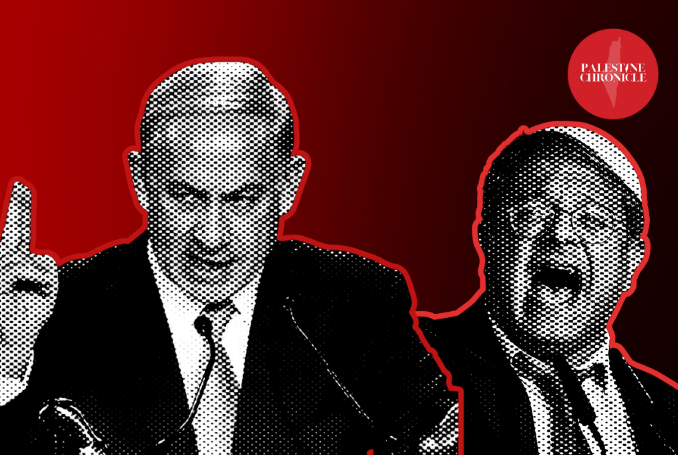
Ben-Gvir, Netanyahu, and the Deadly Dance of Power in Gaza
By Ramzy Baroud In a genocidal war that has spiraled into a struggle for political survival, Israeli Prime Minister Benjamin Netanyahu’s coalition and the global powers supporting him continue to sacrifice Palestinian lives for political gain. The sordid career of Israel’s extremist National Security Minister, Itamar Ben-Gvir, epitomizes this tragic reality. Ben-Gvir joined Netanyahu’s government […]
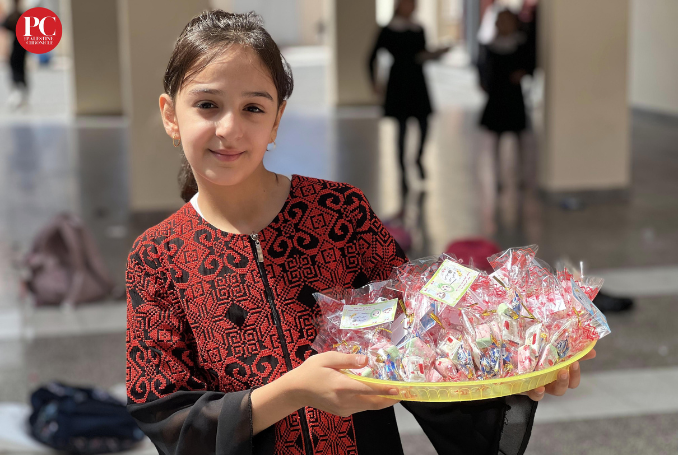
On Authentic People’s History and the Palestinian Experience: Beyond Colonial Narratives
Explaining Arab political failure to challenge Israel through traditional analysis—such as disunity, general weakness, and a failure to prioritize Palestine—does not capture the full picture.
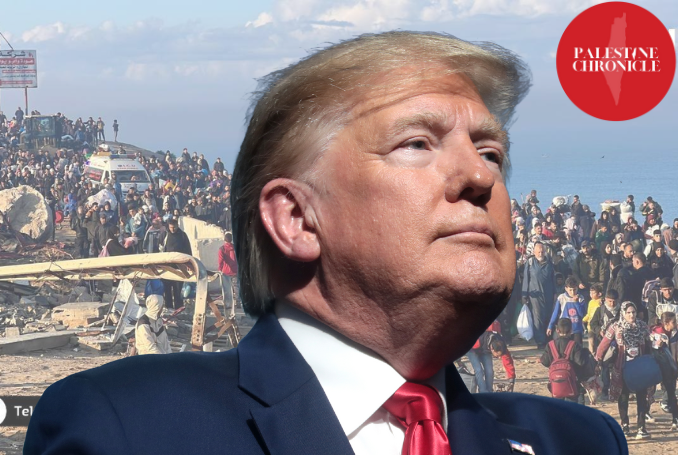
Shifting Allegiances: The Role of Palestine in US Domestic and Foreign Policy
Palestine may not be the sole measure by which the Trump administration will be judged, nor the only factor shaping future voting patterns. Yet, it is undoubtedly a crucial test.
The Monkey’s Tail: How Netanyahu’s Ambitions Expose Israel’s Vulnerabilities
It is clear that Israel is now using the Arabs to mask its own vulnerabilities. And though the monkey continues to climb, his tail has never been as exposed as it is today.

‘Nakba’s Final Chapter’? – Nine Takeaways from the FloodGate Interview with Ilan Pappé
By Romana Rubeo In an engaging episode of the FloodGate podcast on Wednesday, March 12, Palestine Chronicle editors Ramzy Baroud and Romana Rubeo featured renowned Israeli historian, Professor Ilan Pappé. Pappé broke down the ideological contradictions at the heart of Israel’s settler-colonial project—and why October 7 exposed the impossibility of being both a Zionist and […]
Beyond Western Hegemony: A Call for Middle Eastern Media Autonomy
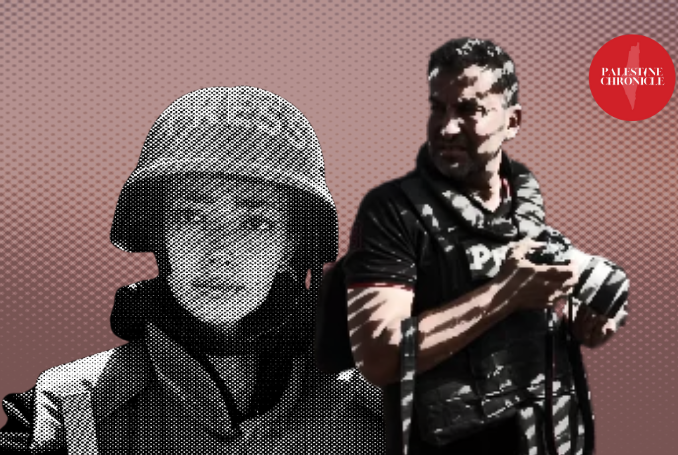
As the world continues to experience massive and historical shifts towards new centers of power, the Middle East should take advantage of the ample opportunities created by the shifts.
International Law at a Crossroads: Can Gaza Spark a Global Reckoning?
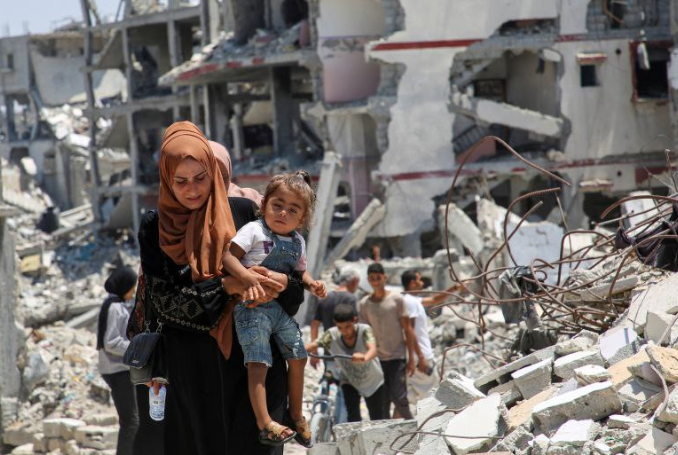
There is a silver lining, specifically an opportunity for the international legal and political system to be fixed based on new standards.
FloodGate Podcast Hosts Scott Ritter: Can Trump and Netanyahu Reshape the Middle East?
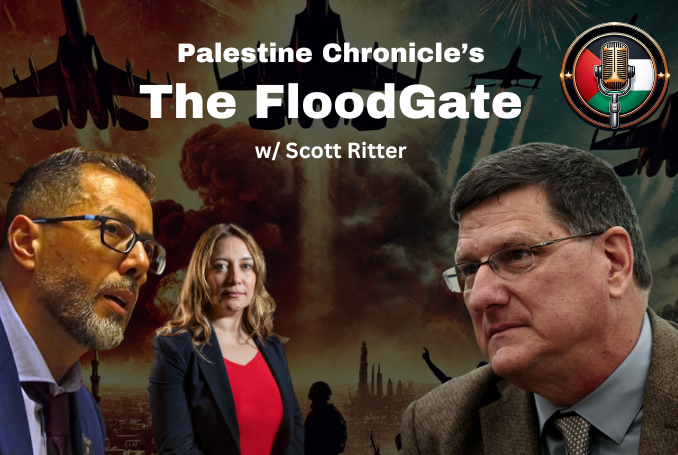
The conversation also delved into Israel’s mounting losses in Gaza, with newly released figures suggesting nearly 6,000 Israeli soldiers have been killed in 2024 alone.
Unpredictable Politics: Trump, Palestine, and the Middle East – A Cairo Review Analysis
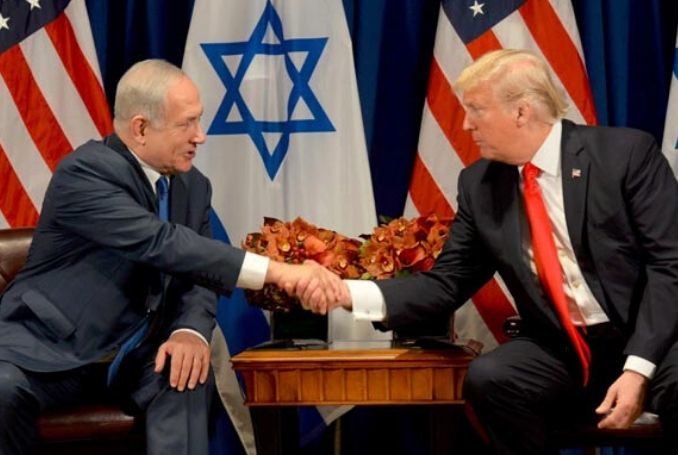
In my latest article, I examine the unpredictable nature of Trump’s Middle East policies, particularly on Palestine, and analyze the potential impact of his second term on U.S. relations with the region.
History Unearthed: What If Trump Succeeded in Ethnically Cleansing Gaza?
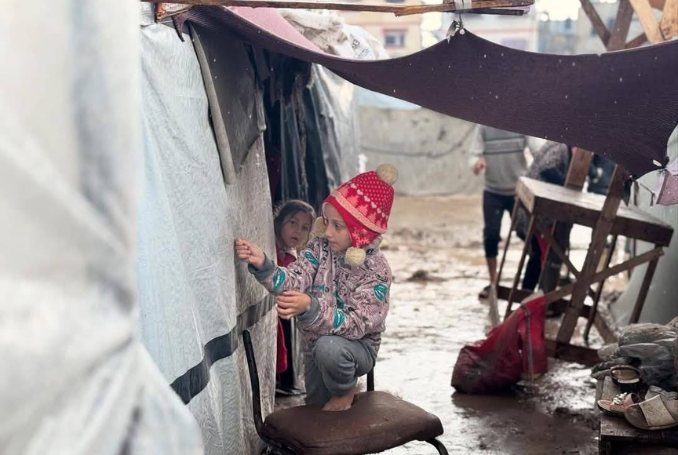
It is time for the Arabs to prove to Israel that the lessons of history have been learned, and will never be repeated.