- March 14, 2026

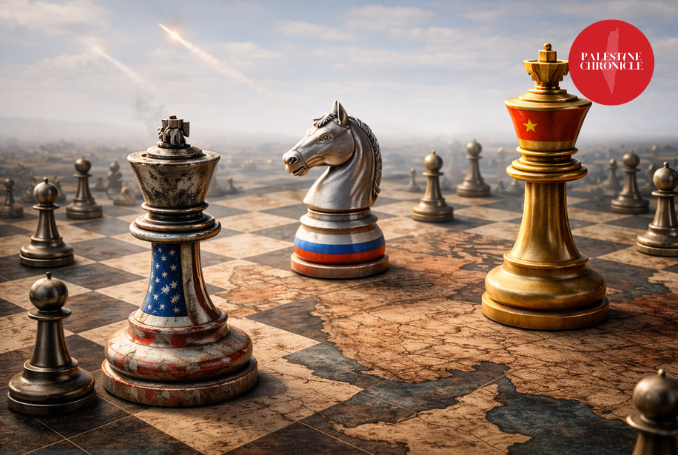
Washington’s War on Iran: A Strategic Gift to Russia and China
The US-Israeli aggression on Iran is destabilizing the region while weakening Washington and creating strategic openings for Russia and China.
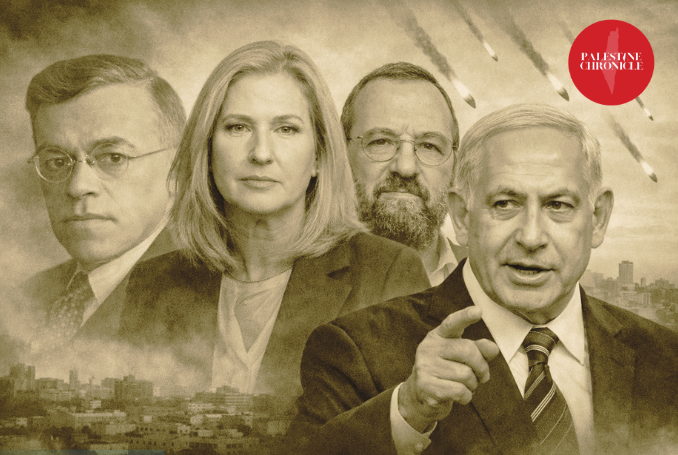
Israel’s Greatest Weapon Was Fear — And It Is Now Failing
Israel’s war on Iran reveals a deeper crisis: the collapse of a psychological doctrine built on fear and invincibility.
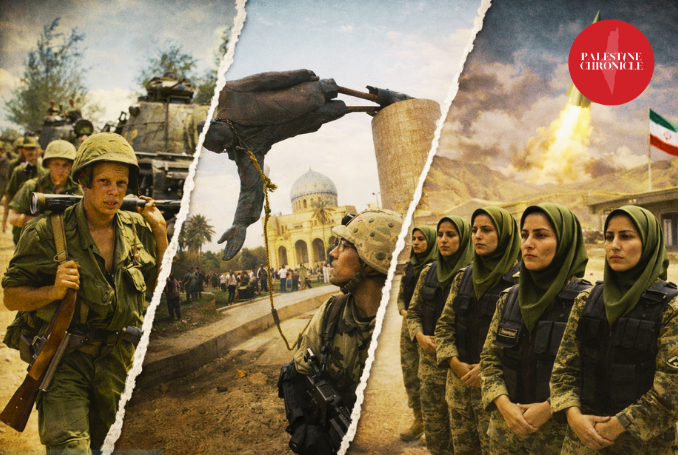
The Next American Quagmire: Why the War on Iran Is Destined to Fail – Analysis
Washington’s war on Iran ignores the lessons written in the devastation of Korea, Vietnam, Iraq, and Afghanistan.
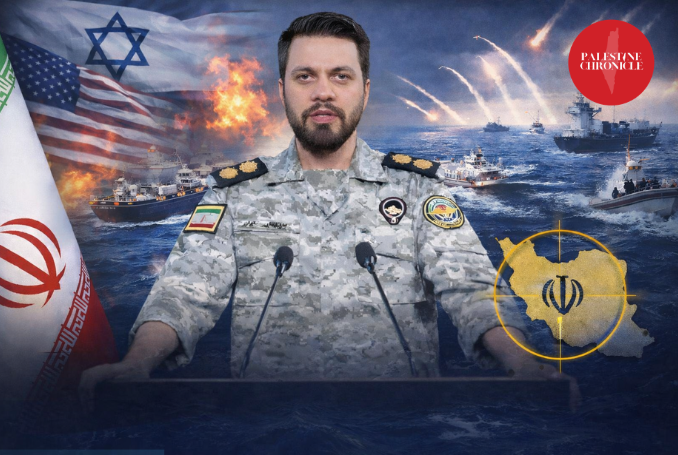
The War Iran Prepared For: How Tehran Is Raising the Cost of War
Iran is pursuing a multi-layered strategy—military, economic, political, and diplomatic—to raise the cost of war and prevent regime change.
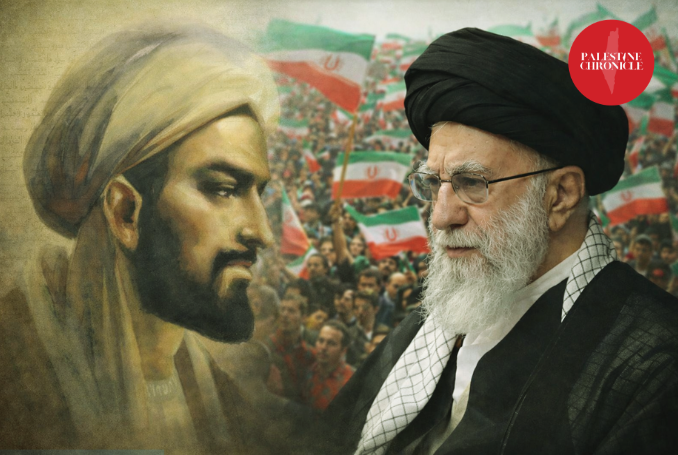
The Re-Rise of Iran: Did US-Israeli Aggression Revive the Islamic Revolution?
Ibn Khaldun’s theory of civilizational cycles offers a powerful lens to understand Iran’s resilience and the West’s decline.
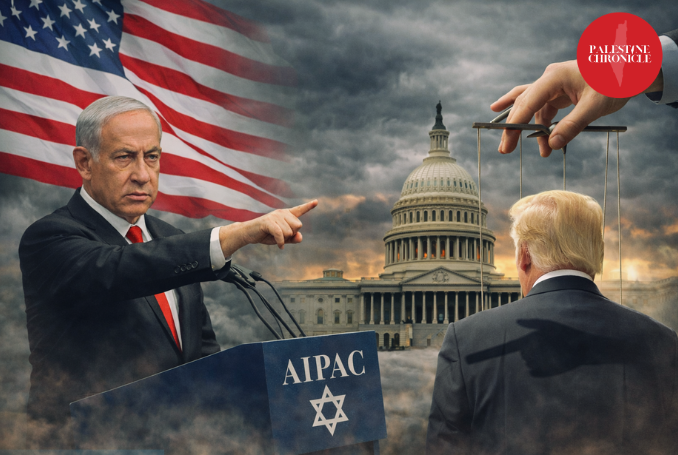
Debunked and Confirmed: Myths and Realities from the Iran War
The war on Iran has shattered US-Israeli myths and confirmed deeper truths about power, resistance and regional reality.
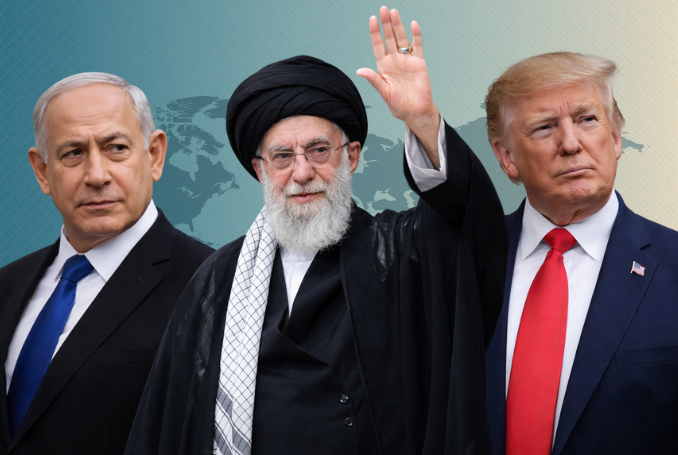
Who Decides What Is Legitimate? Power, Democracy, and the War on Iran
Democracy is invoked as moral legitimacy in war, while Iran’s authority rests on layered political, religious, and historical foundations.
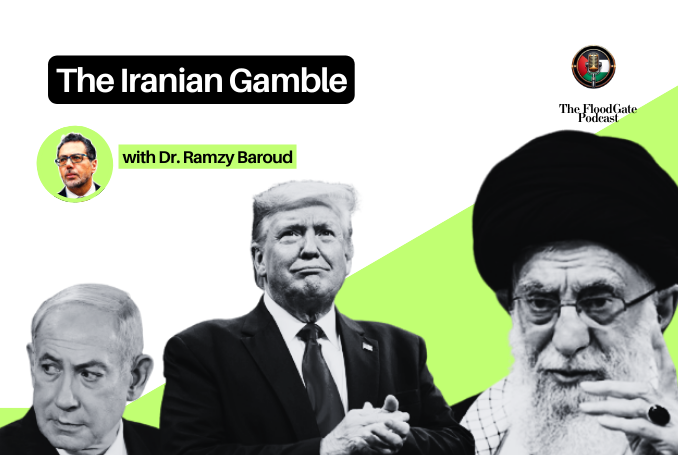
Ramzy Baroud: Netanyahu’s Last Gamble — War with Iran | New FloodGate Episode
New FloodGate episode analyzes Israel’s Iran escalation, linking Gaza fallout to Netanyahu’s political survival strategy.
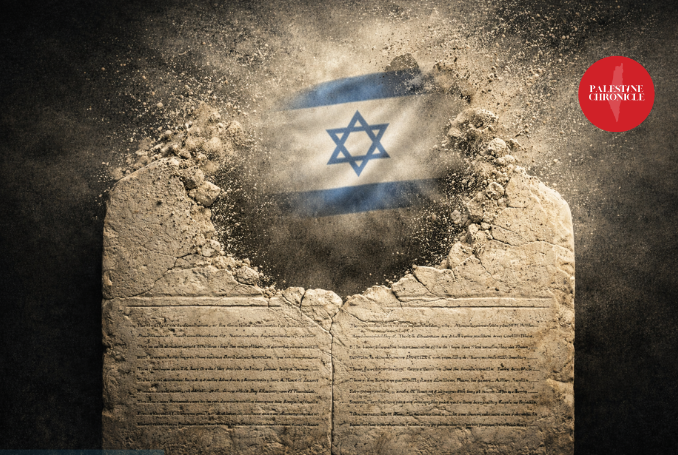
The Death of Law: Israel’s Permanent State of Exception is a Warning to the World
Israel has already created that void. In the hands of a genocidal settler-colonial society, the state of exception is a relentless nightmare that will not stop at the borders of Palestine.
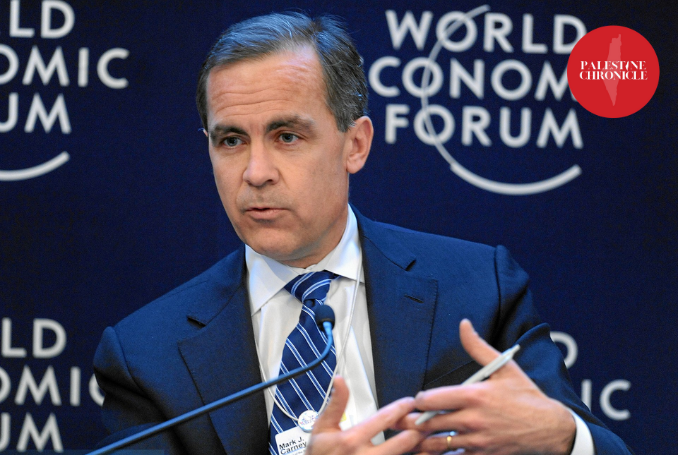
Greenland vs. Gaza: Mark Carney and the Selective Death of the Rules-Based Order
Before mistaking Carney for a Thomas Sankara or a Patrice Lumumba, one must recall his administration’s record on the slaughter in Gaza. The irony is inescapable: Carney rails against a world where “might makes right” when it involves American tariffs or threats to Greenland, yet he presides over a policy that facilitates exactly that in the Middle East.
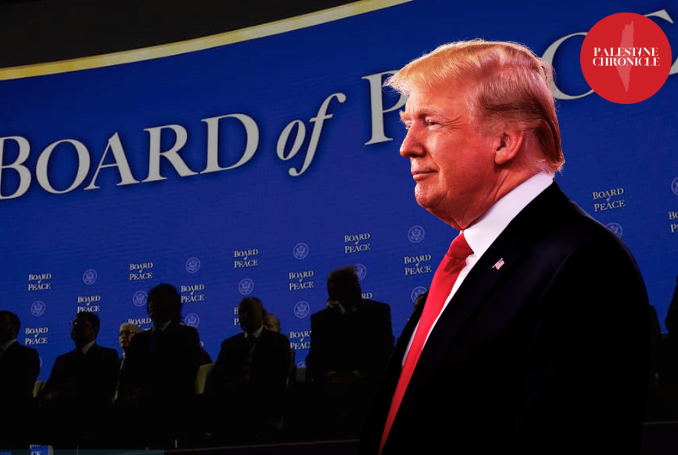
Gaza as a Testing Ground: Trump’s Board of Peace and the Politics of Control
The Board of Peace is not about reconstruction or justice, but about exploiting Gaza’s suffering to impose a new US-led world order, first in the Middle East and eventually beyond.
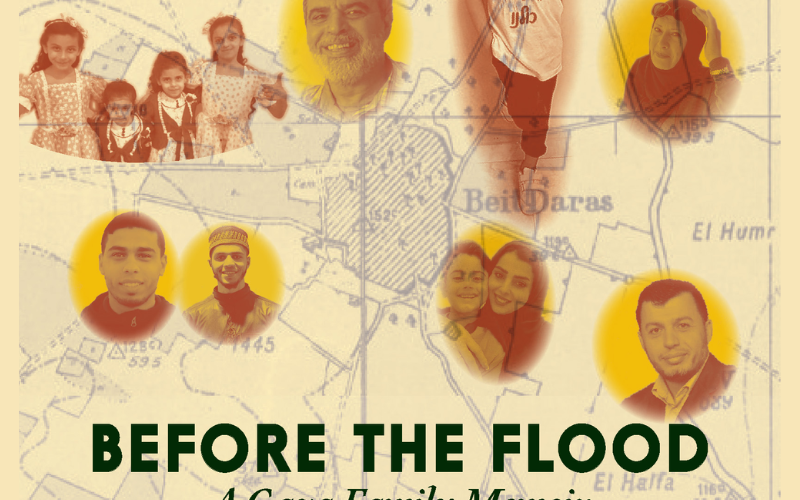
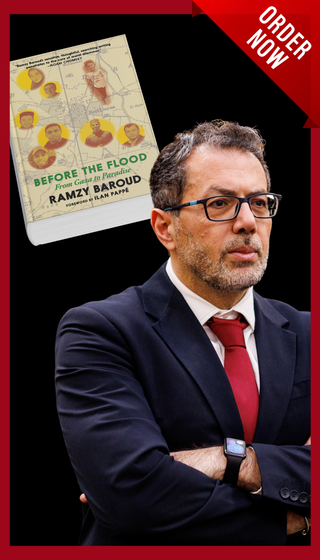
Before the Flood: A Gaza Family Memoir
Before the Flood: A Gaza Family Memoir is a profound exploration of Palestinian history and resilience through the personal stories of the author’s family—the al-Badrasawis. Beginning with intimate details of village life in Beit Daras prior to the Nakba, Ramzy Baroud vividly portrays the rich cultural heritage, deeply rooted traditions, and daily struggles faced by ordinary people whose lives were radically disrupted by the violent upheavals and ongoing conflicts driven by British colonialism and Zionist aggression.
Baroud weaves together past and present, illuminating how historical forces shaped the collective consciousness and steadfast resilience of the Palestinian people. His storytelling reveals not only the harsh realities of occupation, displacement, and loss but also the extraordinary courage, faith, and solidarity that underpin a powerful and enduring spirit of resistance, encapsulated in what the author refers to as the Palestinian “longue durée.” Ultimately, Baroud aims to humanize and reclaim Palestinian narratives from distorted portrayals, highlighting their perseverance and the universal quest for justice and liberation.
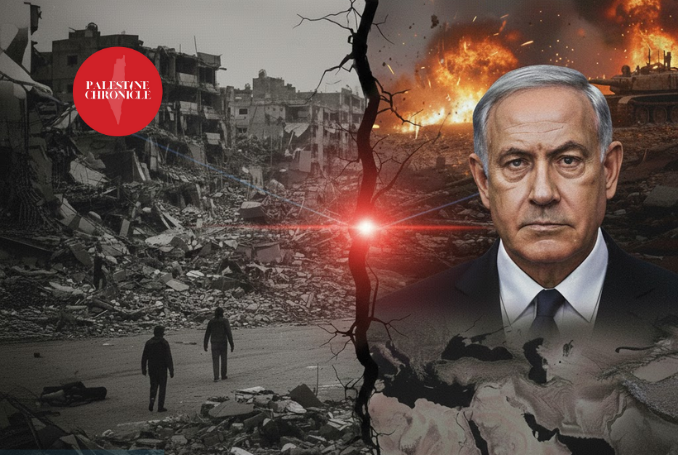
Teetering on the Brink of Genocide: Why Netanyahu is Keen on Prolonging the Gaza War
The war on Gaza is not merely a military campaign. It is the linchpin holding together Netanyahu’s political survival, ideological project, and regional ambitions—one he appears determined to keep firmly in place.
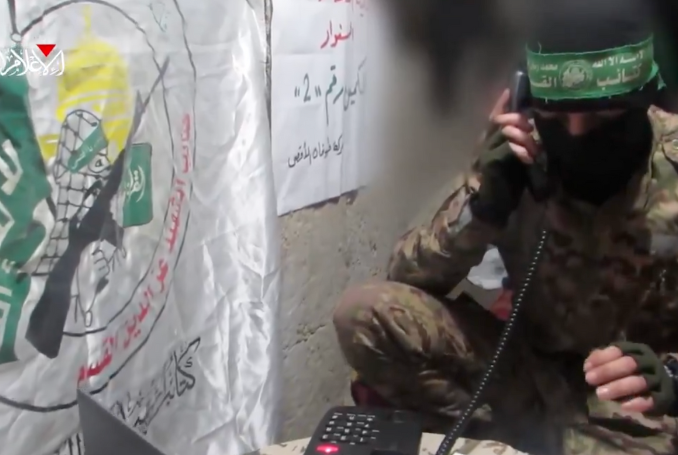
Ending Resistance: Why Palestinians Face the Same Fate, Weapons or Not
If Israel’s genocide in Gaza is entirely motivated by the desire to crush the armed groups, then why the continued crushing of the West Bank?

Calculated Amnesia: Funding Genocide in Gaza While Policing Truth
Only by rigorously exposing and forcefully rejecting this hypocrisy can we finally liberate ourselves from the historic delusion that the solution to our problem is a Western one.
Our Vision for Liberation: Engaged Palestinian Leaders & Intellectuals Speak Out
Our Vision for Liberation: Engaged Palestinian Leaders & Intellectuals Speak Out aims to challenge several strata of the current Palestine discourse that have led to the present dead end: the American pro-Israel political discourse, the Israeli colonial discourse, the Arab discourse of purported normalization, and the defunct discourse of the Palestinian factions.
Here, engaged Palestinian leaders and intellectuals, those who have been actively involved in generating an ongoing Palestinian discourse on liberation, take into account the parameters of their struggle. Drawing on their own personal experiences as educators, community leaders, spiritual leaders, artists, historians, human rights activists, political prisoners, and the like, they address what has been and what must next be done.
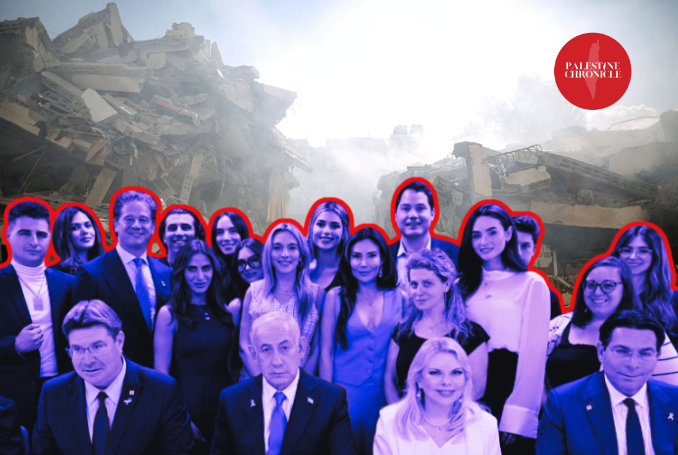
The Final Reckoning: Israel’s Last-Ditch Battle to Win the Media War
The final reckoning unfolds in the information warzone. The coming months and years mark the most critical fight for truth in the conflict’s history.

My Father Was a Freedom Fighter: Gaza’s Untold Story
This book is a personal account of the daily lives of the people of the frontline of the Palestine / Israel conflict, giving us an insight into the deadly, seemingly never-ending rounds of violence.
Ramzy Baroud tells his father’s fascinating story. Driven out of his village to a refugee camp, he took up arms and fought the occupation at the same time raising a family and trying to do the best for his children.
Baroud’s vivid and honest account reveals the complex human beings; revolutionaries, great moms and dads, lovers, and comedians that make Gaza so much more than just a disputed territory.
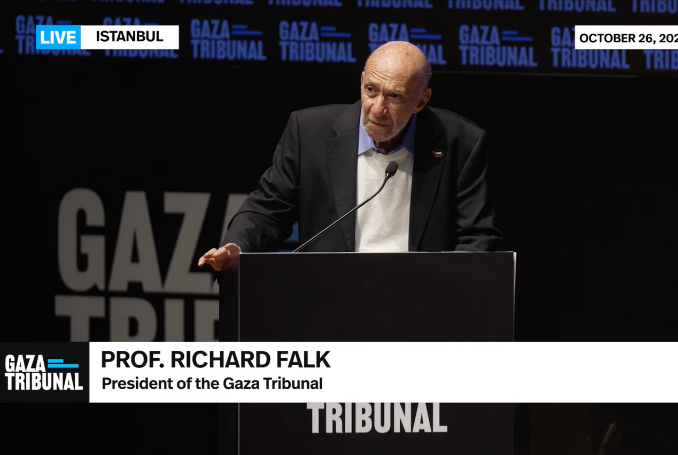
The Gaza Tribunal Verdict: A Blueprint to Shatter Israeli Immunity
The Gaza Tribunal thus becomes a necessary platform for casting educated, evidence-based judgment — the very judgment that should have been adopted by the ICJ and enforced by the UNSC.
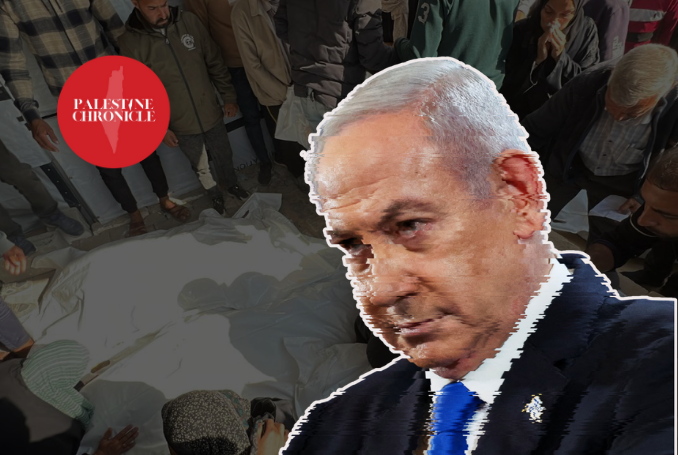
Netanyahu’s Endgame: Isolation and the Shattered Illusion of Power
It remains uncertain how long Netanyahu will remain in power, but his political standing has significantly deteriorated. He faces widespread domestic opposition and international condemnation.