- October 25, 2026

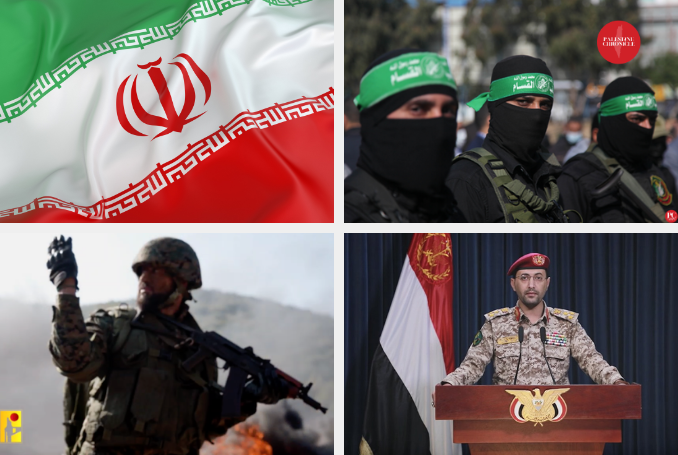
The Day After the Iran War: Five Scenarios, Core Questions, and a Forum for Our Readers
The Middle East stands at the precipice of a profound, unprecedented geopolitical realignment. Even if a temporary US–Iran ‘cessation of hostilities’ holds, the structural drivers of the conflict remain unresolved.
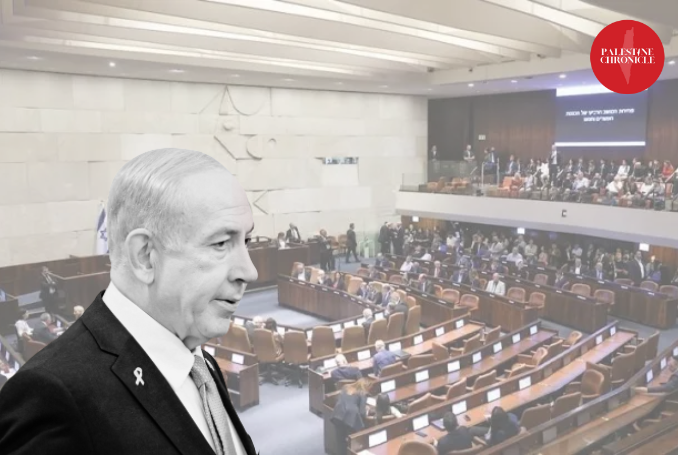
Netanyahu Can Stave Off Elections, But He Cannot Save a State Trapped in Infinite War
For over two years, Netanyahu postponed a legal verdict on the Haredi draft. But mounting military setbacks, particularly on the Lebanese front, made further delays impossible.
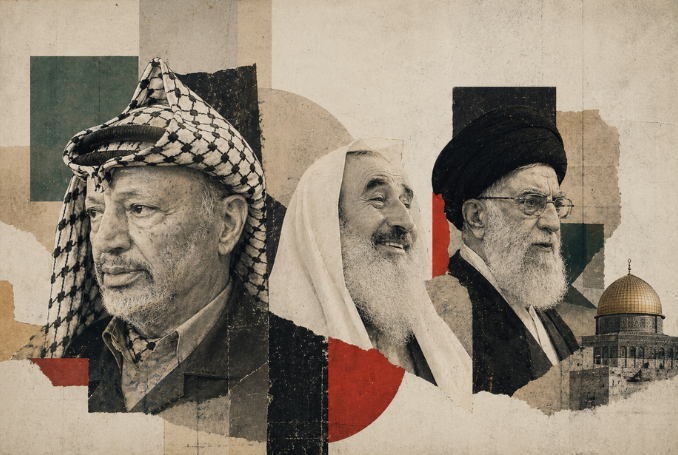
Why Didn’t Iran Put Gaza on the Table? A Difficult Answer
In this critical reading, Ramzy Baroud challenges the assumption of abandonment, arguing instead that the answer lies in the fragmented nature of Palestinian representation and the uneven political architecture of the resistance camp itself.
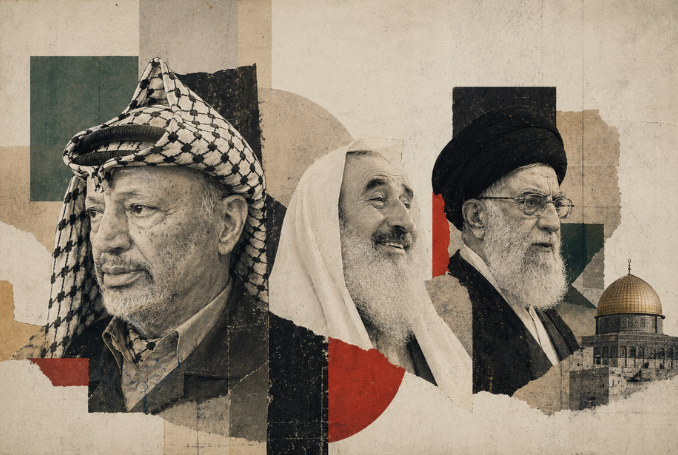
Why Didn’t Iran Put Gaza on the Table? A Difficult Answer
From Gaza to Tehran, from the politics of resistance to the limits of regional diplomacy, a pressing question has resurfaced amid the 2026 war: why was Palestine not explicitly placed at the center of Iran’s ceasefire framework? In this critical reading, Ramzy Baroud challenges the assumption of abandonment, arguing instead that the answer lies in the fragmented nature of Palestinian representation and the uneven political architecture of the resistance camp itself.

‘Art of the Deal’ Reversed: How Netanyahu Exploited Trump, Accelerated American Decline
Those who purchased and invested time in reading Donald Trump’s ‘The Art of the Deal’ should exercise caution.
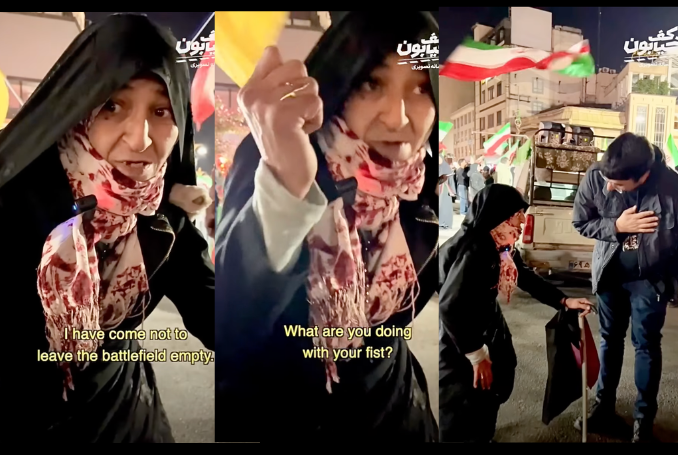
‘I Can Clench My Fist’: The Old Woman of Tehran Who Defeated Donald Trump
Power is a condition of being. And that old woman of Tehran—who refuses to leave the ‘battlefield empty’—is its most authentic manifestation.
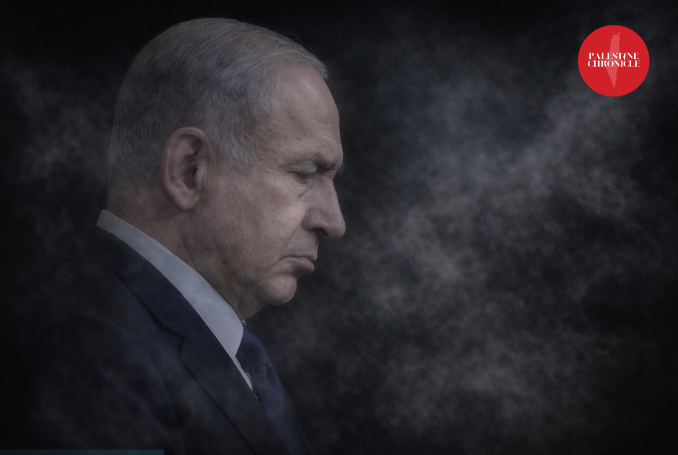
Seven Messages – Can Israel Survive Defeat without Setting the Region Ablaze?
Israel is as dangerous in defeat as it is in victory. Indeed, Lebanon, today, is paying the price of Israel’s strategic failure in Iran.
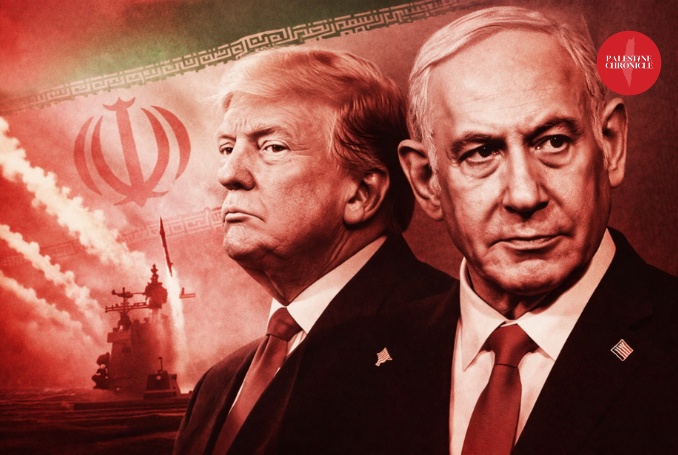
After Iran: Is This the Unraveling of the US-Israeli Order?
The coming days and weeks are decisive, for an outcome of this magnitude cannot pass without major geopolitical consequences—regionally and globally.
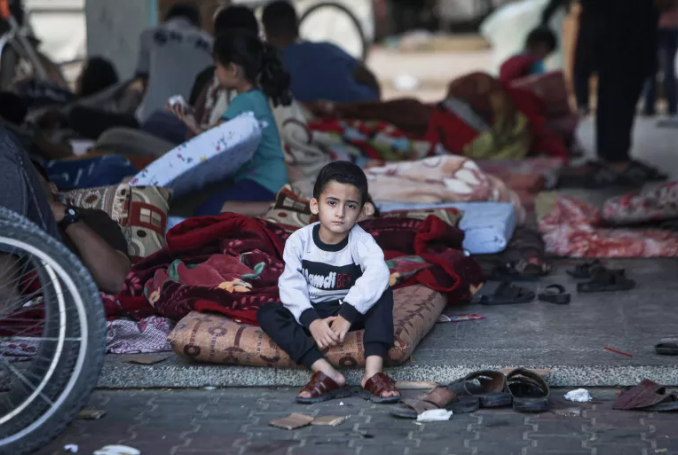
From Gaza to Minab, the Same Story — Children Paying the Price of War
International law, once seen as a shield, has become little more than a point of departure for conversations about its ineffectiveness and hypocrisy.
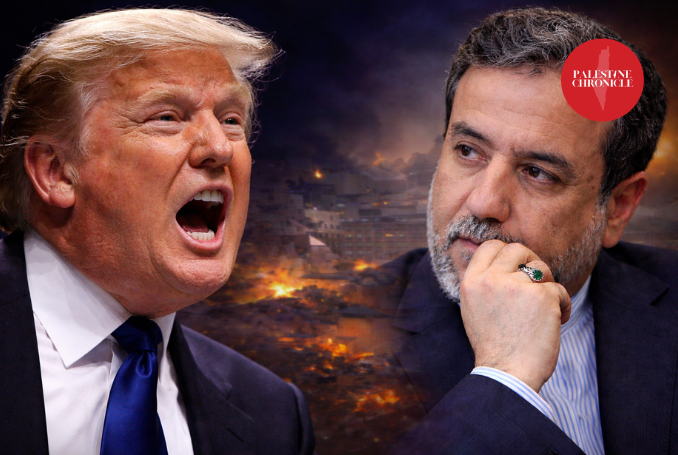
Yes, Iran is Playing Chess — But Only After Rewriting the Rules of the Game
Some may argue that Iran is not merely playing chess, but rewriting its rules. That, perhaps, is the most unsettling realization of all.
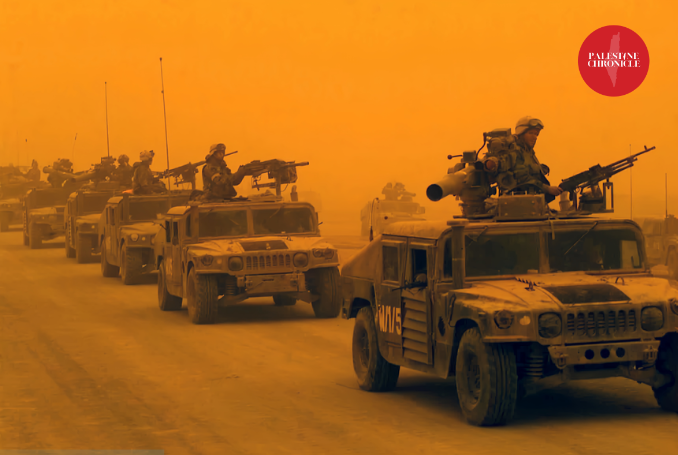
This Is How We Know the Iran War Is Failing — And Not for Military Reasons
Western and Arab allies reject joining the war on Iran not from principle, but from a clear expectation of failure.

The Tolstoy Guide to History that Trump and Netanyahu Didn’t Read
This is what Tolstoy meant when he challenged historians to look beyond rulers and to focus instead on the countless human actions that actually produce historical change.

The Explosion Inside Trump’s War Machine: Joe Kent Resigns
Joe Kent’s resignation is not an anomaly but an alarm: elite dissent is surfacing early because this war is built on deception.

Hiding the Truth Now Could Spell Disaster for the Middle East
US Defense Secretary Pete Hegseth appears to have little patience for questions that do not conform to his preferred style of declaring unsubstantiated victories, whether against South Americans or in the Middle East.

No Time for Losers: Why the War Meant to ‘Save’ Israel May Destroy It
Israel and the US launched war expecting dominance, but shifting geopolitics and regional resistance are reshaping power across the Middle East.
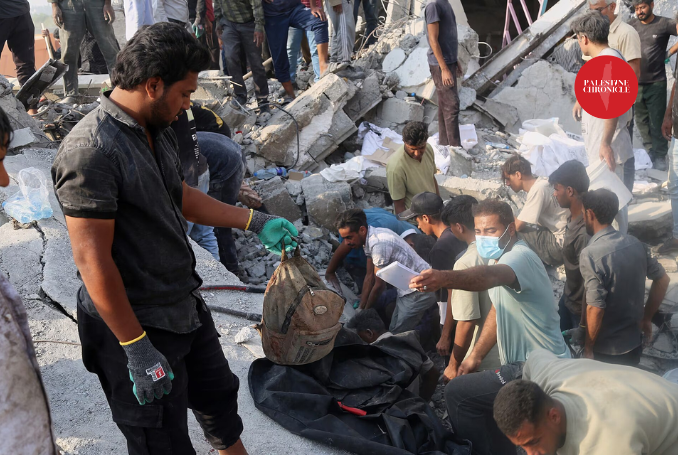
The Iran War — The Most Obvious Question Liberal Media Refuses to Ask
Though they speak of the war’s failure, very few in mainstream media have taken what should have been the obvious moral position.
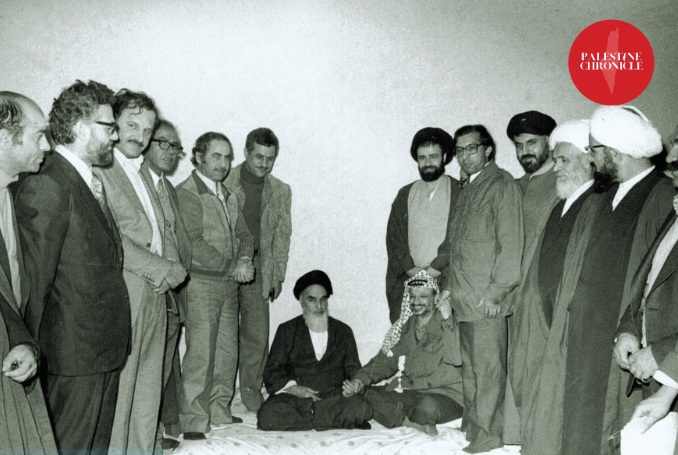
Iran and Palestine: From Yasser Arafat to Hamas—Is the Balancing Act Over?
Will the war on Iran strengthen the Gaza-centered resistance camp and reshape Palestinian alliances across the Middle East?
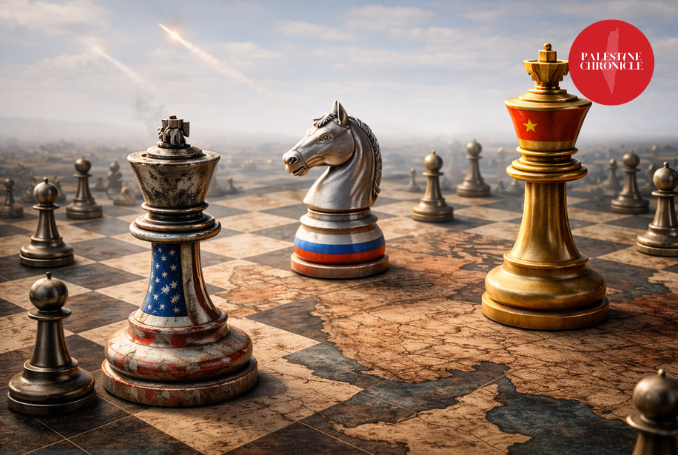
Washington’s War on Iran: A Strategic Gift to Russia and China
The US-Israeli aggression on Iran is destabilizing the region while weakening Washington and creating strategic openings for Russia and China.
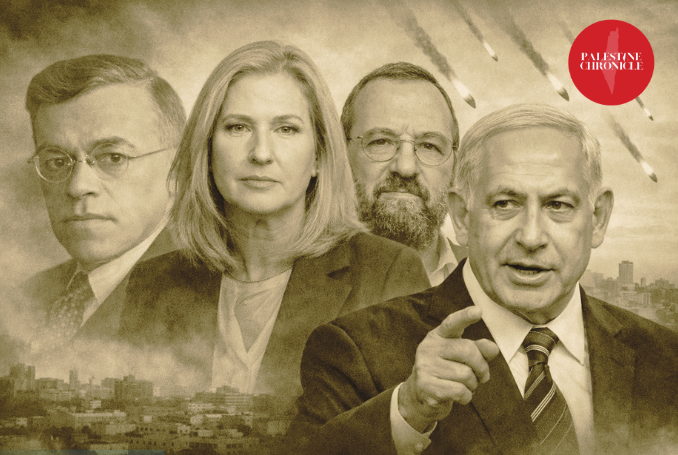
Israel’s Greatest Weapon Was Fear — And It Is Now Failing
Israel’s war on Iran reveals a deeper crisis: the collapse of a psychological doctrine built on fear and invincibility.
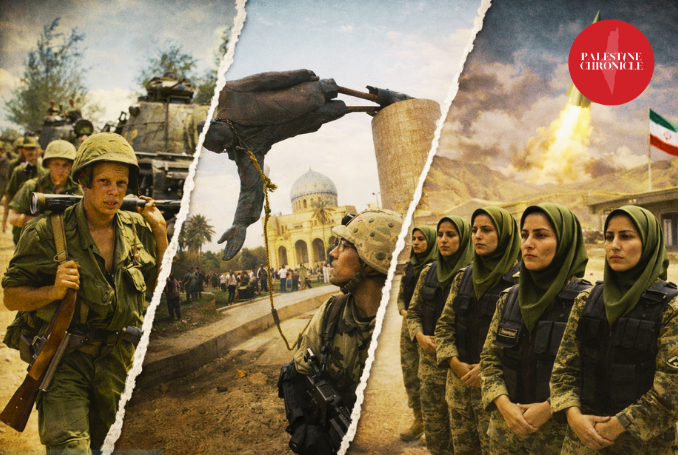
The Next American Quagmire: Why the War on Iran Is Destined to Fail – Analysis
Washington’s war on Iran ignores the lessons written in the devastation of Korea, Vietnam, Iraq, and Afghanistan.