- March 6, 2026

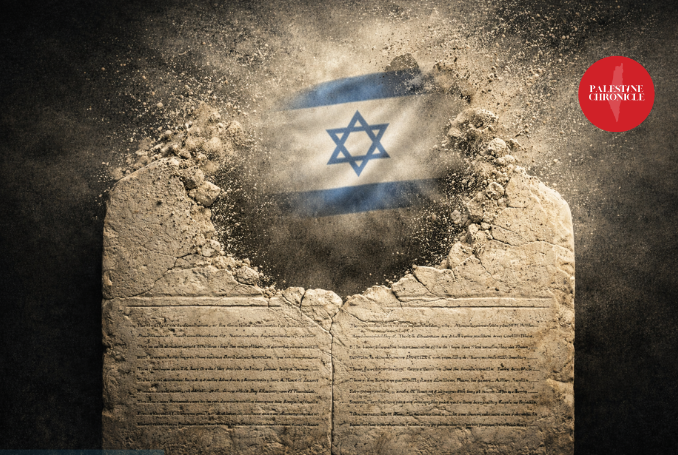
The Death of Law: Israel’s Permanent State of Exception is a Warning to the World
Israel has already created that void. In the hands of a genocidal settler-colonial society, the state of exception is a relentless nightmare that will not stop at the borders of Palestine.

Greenland vs. Gaza: Mark Carney and the Selective Death of the Rules-Based Order
Before mistaking Carney for a Thomas Sankara or a Patrice Lumumba, one must recall his administration’s record on the slaughter in Gaza. The irony is inescapable: Carney rails against a world where “might makes right” when it involves American tariffs or threats to Greenland, yet he presides over a policy that facilitates exactly that in the Middle East.
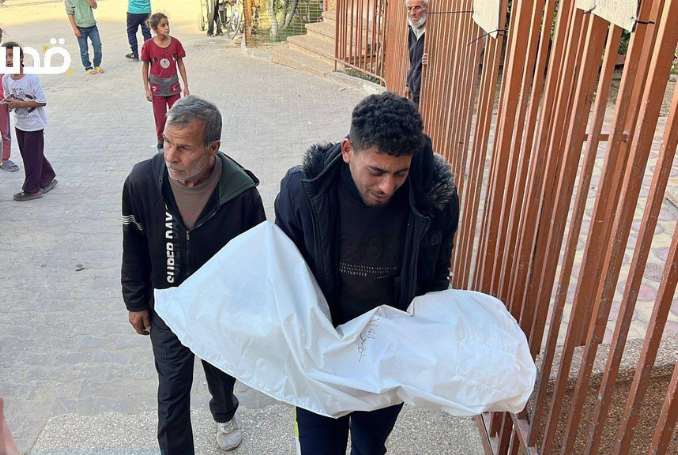
Coming Soon: How the World is Preparing the Ground for the Next Palestinian Genocide
Tragically, the conditions that fueTragically, the conditions that fueled the first wave of genocide in Gaza are being meticulously reconstructed.led the first wave of genocide in Gaza are being meticulously reconstructed.
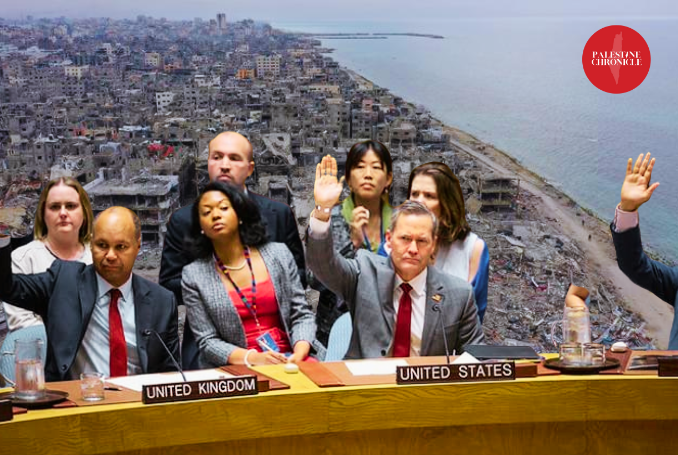
UNSC 2803: The US-Israeli Scheme to Partition Gaza and Break Palestinian Will
The failure of UNSC Resolution 2803 confirms one enduring truth: the Israeli war on Gaza has not stopped. It has simply changed form.
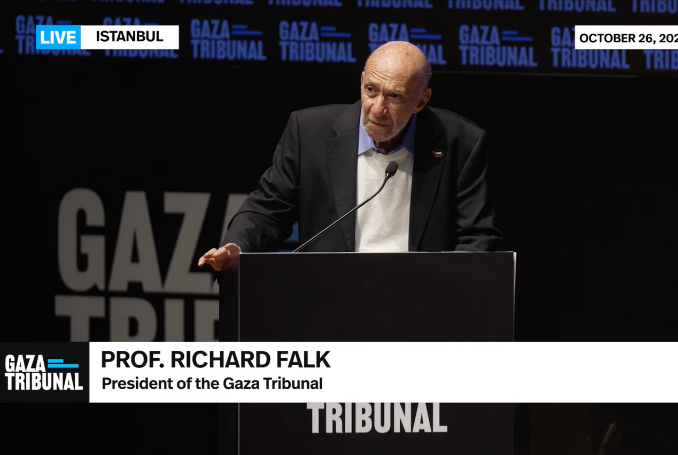
The Gaza Tribunal Verdict: A Blueprint to Shatter Israeli Immunity
The Gaza Tribunal thus becomes a necessary platform for casting educated, evidence-based judgment — the very judgment that should have been adopted by the ICJ and enforced by the UNSC.
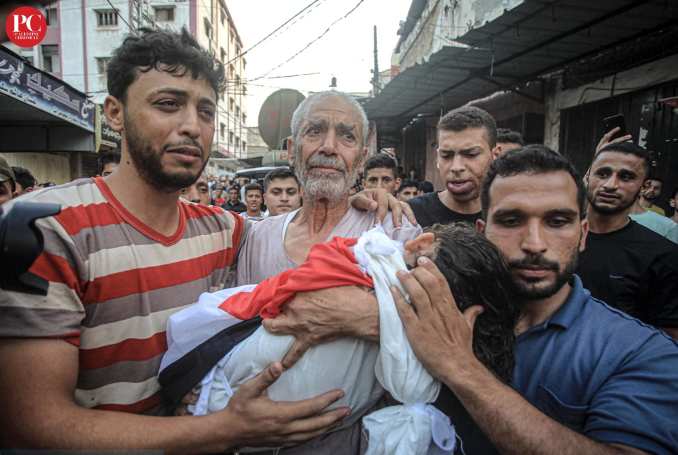
Measuring Defiance in 2025: How Palestinian Sumud Challenged the Israeli War and the West’s Complicity
The year concludes with some somber numbers, but also much hope and the legendary sumud among ordinary Palestinians.
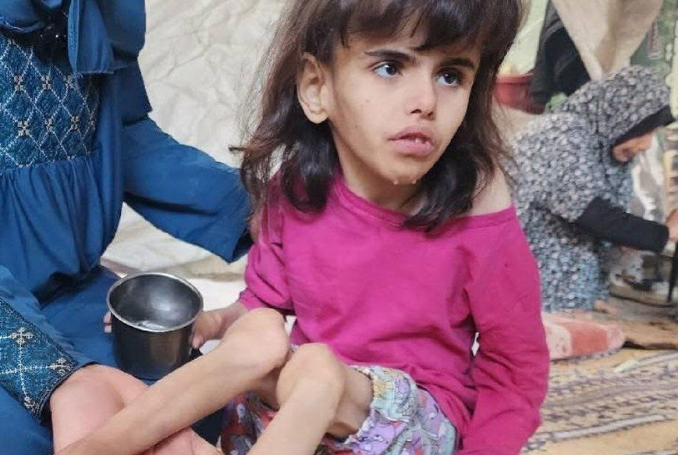
The Price of Silence: Gaza’s Famine and the Erosion of Our Humanity
The inability to ensure basic aid to Gaza will profoundly question our shared humanity for years to come.

Breaking the Silence on Palestinian Armed Struggle: A Call for Legal Clarity
We asked Prof. Falk specifically about the Palestinian people’s right to defend themselves, and, specifically, about armed struggle and its consistency (or lack thereof) with international law.
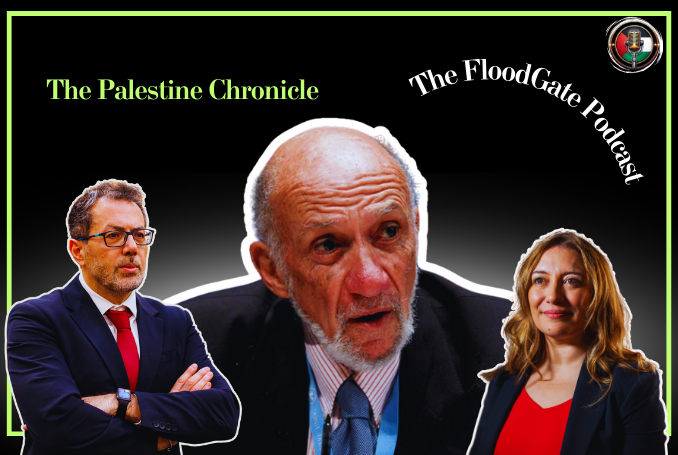
Why Intl. Law Fails Palestinians: Seven Takeaways from FloodGate Interview with Richard Falk
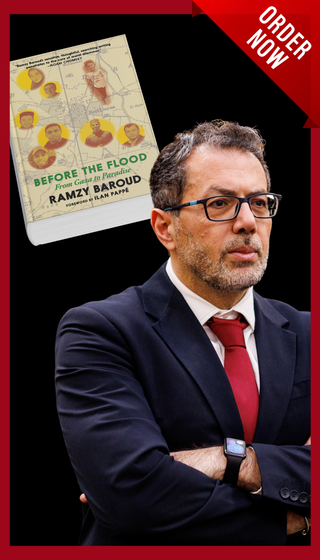
Professor Richard Falk’s insights on international law, the Israeli-Palestinian conflict, and the failure of global institutions provide a compelling analysis in this FloodGate interview with Ramzy Baroud and Romana Rubeo.
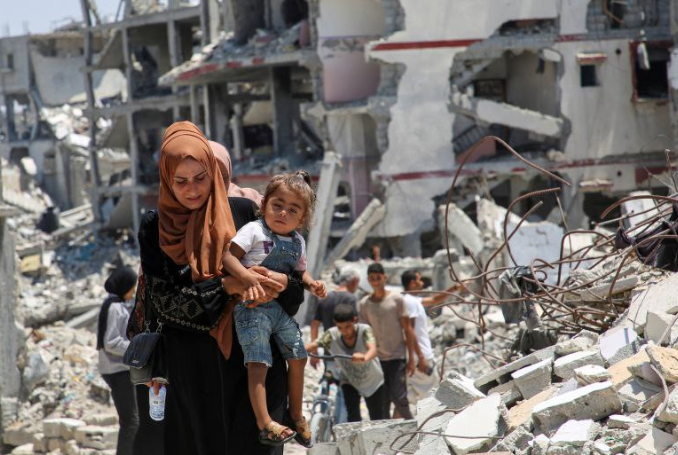
International Law at a Crossroads: Can Gaza Spark a Global Reckoning?
There is a silver lining, specifically an opportunity for the international legal and political system to be fixed based on new standards.
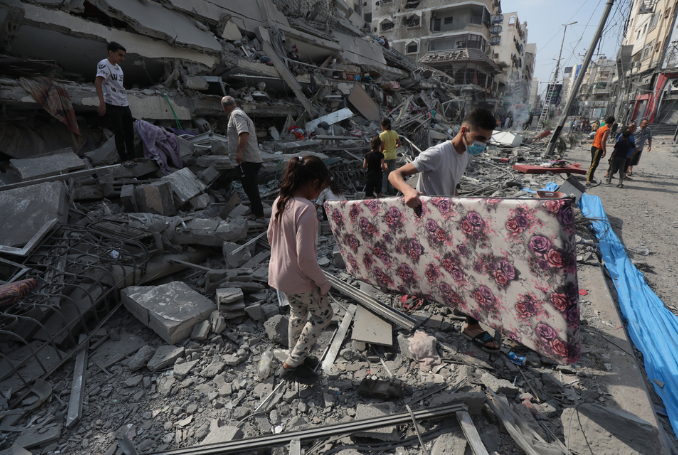
Israel Destroyed Gaza ‘for Generations to Come’ and the World Stayed Silent
It is baffling that the very Western countries, which speak tirelessly about environmental protection, preservation, and warning against carbon emissions, are the same entities that helped sustain the war on Gaza.
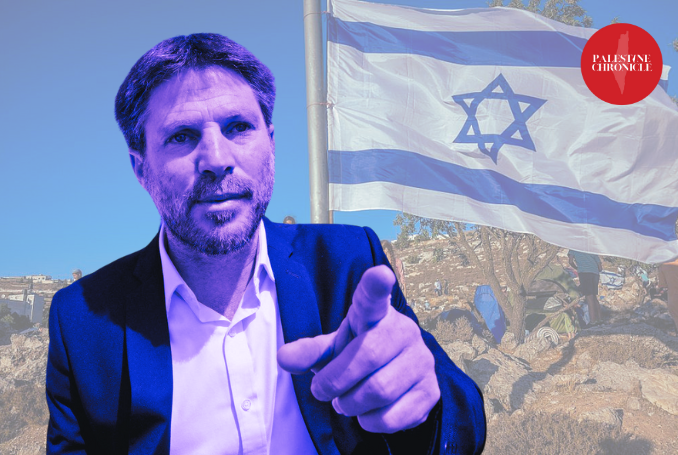
‘Great Opportunity’ for Permanent War: What if Israel Annexed the West Bank?
Palestinians will certainly resist, as they always do. The nature of the resistance will prove critical in the success or failure of the Israeli scheme.
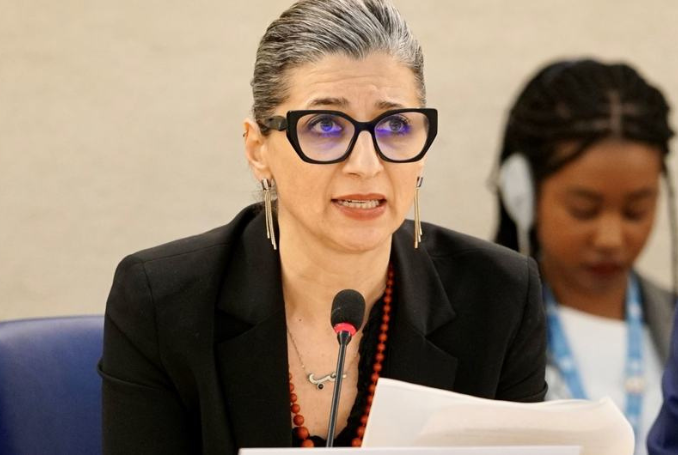
End of Empathy: Did the Gaza Genocide Render the UN Irrelevant?
The problem is multilayered, complicated by the fact that UN officials and employees do not have the power to alter the very skewed structure of the world’s largest political institution.
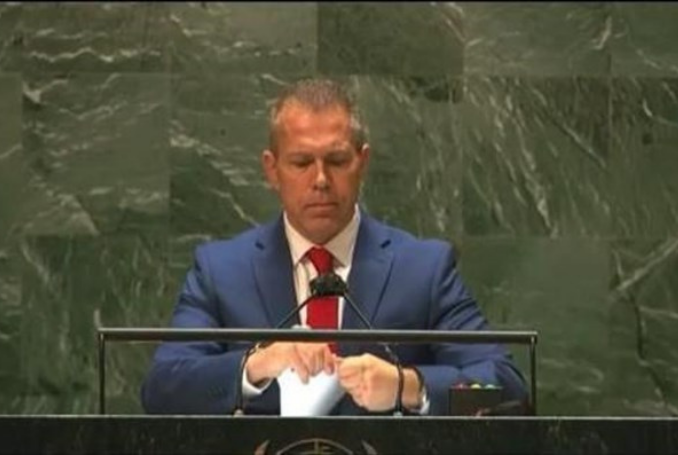
Israel vs. International Law – Why Erdan Wants to Destroy the UN
Though for Palestinians, such facts remain devoid of practical meaning, for Israel, the UN position is a major obstacle in the face of its blatant settler colonial project.
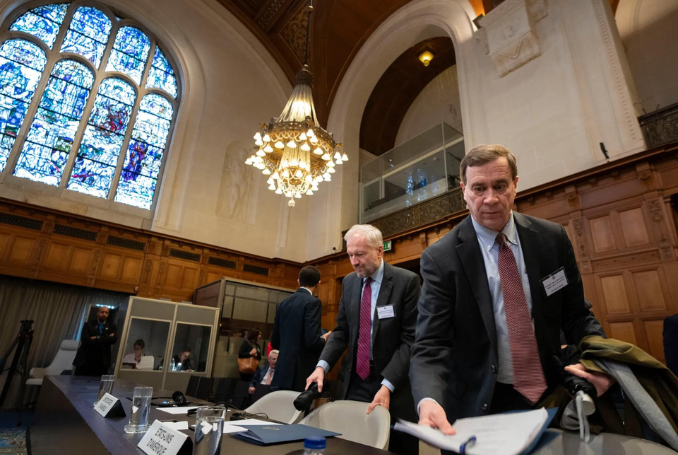
To Save Israel: The US is Destroying the International System It Once Constructed
There will be consequences to all of this, and the coming years shall prove that the crisis in international legitimacy, resulting from the abuse of power, will hardly be rectified with superficial changes and reforms.

End of Complicity: Time to Translate Words into Actions in Gaza
Indeed, it is now time to turn words into actions, especially when thousands of children are being killed for no fault of their own but for being born Palestinian.
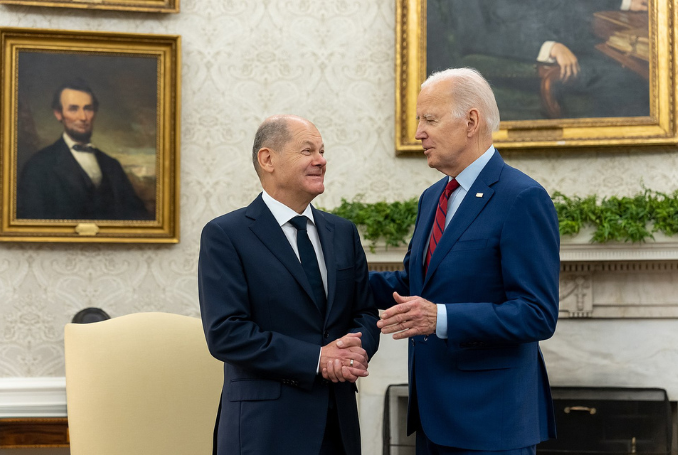
The Injured Gaza Boy and His Drawing: Do Palestinians Have the Right to Self-Defense?
It is interesting how the colonizers and the colonized continue to build relations and solidarity around the same old principles. The Global South is, again, rising in solidarity with the Palestinians, while the North, with a few exceptions, continues to support Israeli oppression.
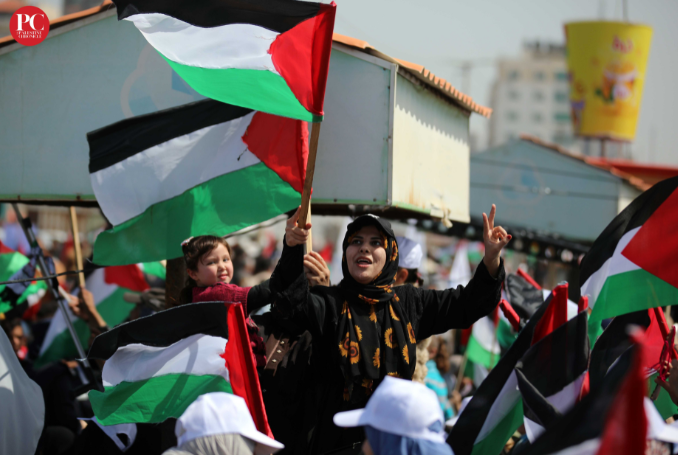
Israel Will Not Defeat Gaza: A Lesson from History
The truth is Israel has no military option in Gaza, and those who support whatever military strategy Tel Aviv has in mind, are equally deluding themselves.
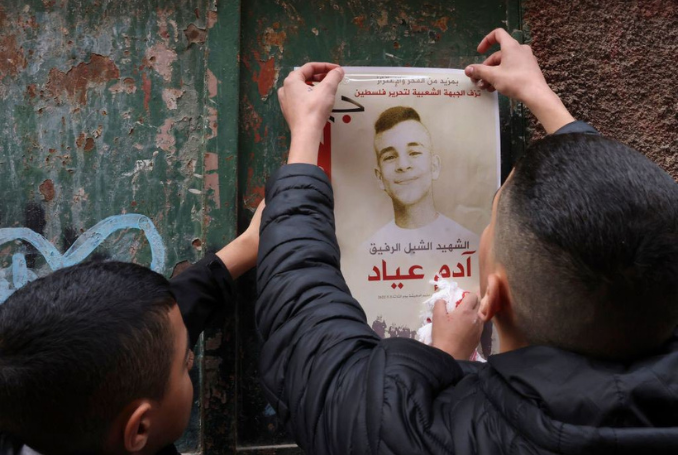
The Twisted Israeli Logic of Murdering Palestinian Children, and What Can We Do to Stop It?
The problem for Palestinians is not just that of Israel’s violence, but also the lack of international will to hold Israel accountable.
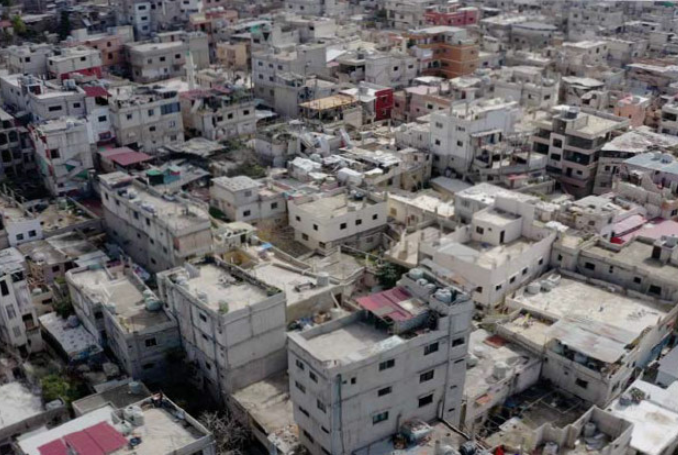
‘Capital of Shatat’ and Palestinian Agony: The Uncomfortable Truth about Ain Al-Hilweh
On July 30, violence in the extremely crowded Palestinian camp resumed, harvesting the lives of 13 people, and counting. Scores more were injured and thousands have fled.