- March 14, 2026

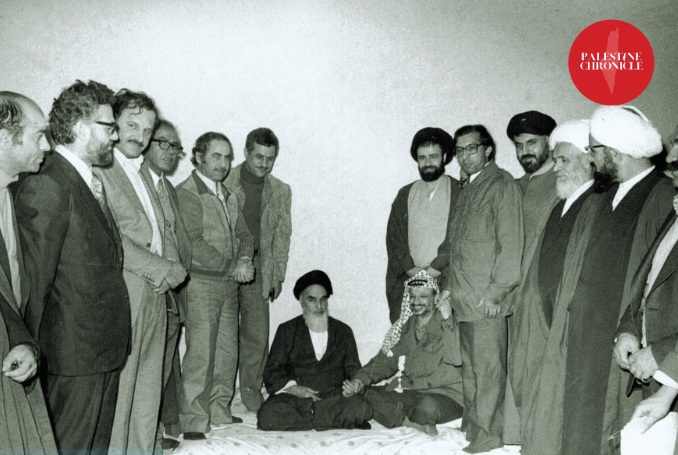
Iran and Palestine: From Yasser Arafat to Hamas—Is the Balancing Act Over?
Will the war on Iran strengthen the Gaza-centered resistance camp and reshape Palestinian alliances across the Middle East?
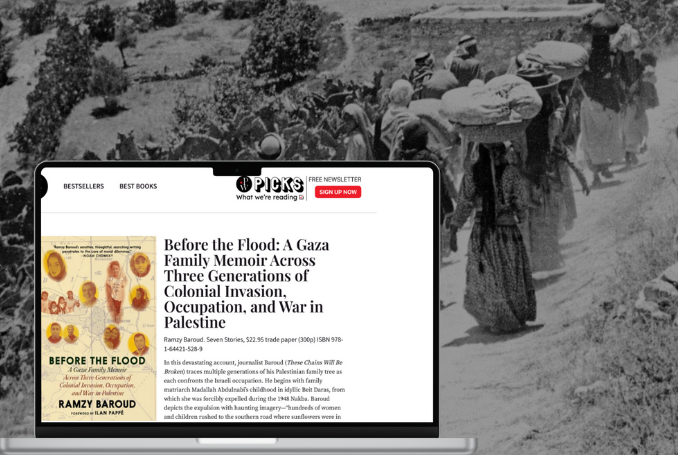
Publishers Weekly Highlights ‘Before the Flood’ as Record of Palestinian Historical Memory
February review in Publishers Weekly has spotlighted Before the Flood by Palestinian journalist and historian Ramzy Baroud, describing the book as an “indelible depiction of the generational trauma that defines the Palestinian struggle.”
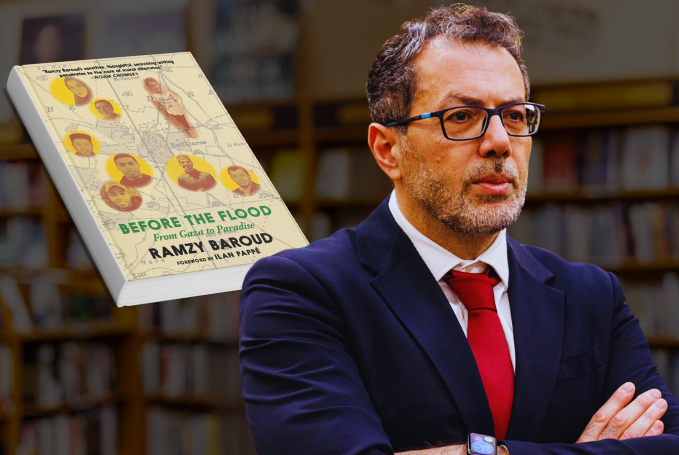
Before the Flood: Ramzy Baroud Announces Worldwide Book Tour
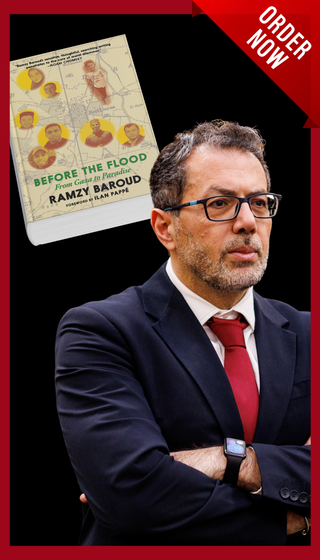
Palestinian author, journalist, and historian Ramzy Baroud will embark on a worldwide tour, starting on February 11, presenting his latest book—a deeply personal and historically grounded account of Palestine told through the story of his family in Gaza and a village in historic Palestine.
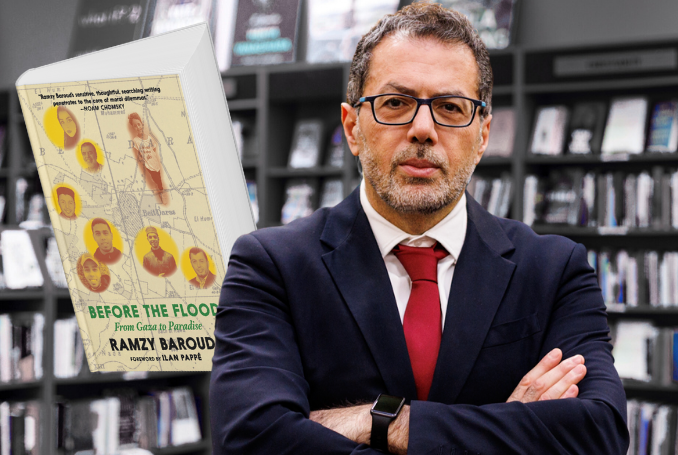
Ramzy Baroud Launches Before the Flood at Seattle’s Third Place Books
Third Place Books in Seattle, WA, will host the official book launch of Before the Flood: A Gaza Family Memoir Across Three Generations of Colonial Invasion, Occupation, and War in Palestine on Tuesday, February 11, at 7:00 PM, featuring Palestinian American author, journalist, and historian Dr. Ramzy Baroud.
Gaza Rising: Voices from the Rubble
Drawing on the voices of Gaza’s own intellectuals, journalists, doctors, teachers, artists, and community leaders, Gaza Rising: Voices from the Rubble highlights the resilience of a people determined to endure despite overwhelming devastation.
Since October 7, 2023, Gaza has faced its most catastrophic assault yet, with the destruction extending far beyond homes to hospitals, schools, civil institutions, and cultural life itself. By late 2024, most of the Strip had been rendered uninhabitable, leaving nearly the entire population displaced. Yet even amid the systematic targeting of every sector of society, Gaza’s people continue to assert their existence, raising a profound question: can a people so deeply rooted ever truly be erased?
The Last Earth:A Palestinian Story
Spanning decades and encompassing war, mass exodus, epic migrations and the search for individual and collective identity, The Last Earth tells the story of modern Palestine through the memories of those who have lived it.
Ordinary Palestinians have rarely narrated their own history. In this groundbreaking book, acclaimed author Ramzy Baroud draws on dozens of interviews to produce vivid, intimate and beautifully written accounts of Palestinian lives – in villages, refugee camps, prisons and cities, in the lands of their ancestors and in exile. Baroud’s empathetic and lyrical approach reveals new human dimensions of the Palestinian saga, telling it as it has never before been told.

L’ultima terra. Una storia palestinese
In L’Ultima Terra, Una storia palestinese, Ramzy Baroud ricostruisce la storia della Palestina attraverso le voci di chi l’ha vissuta in prima persona. Il libro rompe con la storiografia tradizionale per dare spazio alle testimonianze di rifugiati, famiglie sradicate e prigionieri politici, trasformando la memoria individuale in una narrazione collettiva.
Fondendo storia orale, racconto personale e analisi politica, L’Ultima Terra sfida i discorsi dominanti che hanno a lungo negato ai palestinesi il diritto di raccontarsi. È un’opera che restituisce centralità all’esperienza umana della Nakba, dell’esilio e della resistenza, affermando che la storia palestinese non è solo perdita, ma anche dignità, sumoud e legame con la terra.

أبي ذلك المناضل، قصة غزة التي لم تُروَ بعد
ليس التاريخ ما يكتبه المنتصرون، فهؤلاء يوظفون قوة انتصارهم لفرض روايتهم عمّا يجب أن يكون التاريخ. هذه الحقيقة أدركها رمزي بارود، فتحدّى السردية الغربية الشائعة عن غزة وفلسطين، تلك التي كتبها الغزاة، وترك مهمة الكتابة للضحايا أنفسهم. فجاءت الرواية واقعية وصادقة، مشبعة بالكارثة والبطولة معاً. إنها شهادة عن حياة تُعاش على خطوط المواجهة، حيث العنف ليس حدثاً عابراً بل واقعاً دائماً يطبع الوجود الفلسطيني.
لم يخترع الكاتب تاريخاً، بل استمده من حياته العائلية الفلسطينية، ومن سيرة والده الذي اقتُلع من قريته إلى مخيم لجوء، فحمل السلاح في مواجهة الاحتلال، وربّى أسرة وسط القصف والتشريد. لم يكتب كتابه للعرب، بل للغربيين بلغتهم، مخاطباً بيئة احتضنت المشروع الصهيوني وشرّعت جرائمه. ورغم إدراكه لقدرة إسرائيل العسكرية على تغيير الجغرافيا، بقي مؤمناً بأن إرادة الفلسطينيين هي التي تصنع التاريخ، وأن نضال غزة وأهلها لن يضيع سدى.
Résistant en Palestine: Une histoire vraie de Gaza
Ligne de front dans le conflit entre Israël et les Palestiniens, Gaza est systématiquement dépeinte comme un lieu de violence et de terreur. Ramzy Baroud explore la vie quotidienne des habitants de cette région tourmentée, nous donnant à comprendre ce qui est en danger dans chaque nouvelle explosion de violence.
Son livre raconte la fascinante histoire de son père : chassé de son village et parqué dans un camp de réfugiés, il a courageusement combattu l’occupation tout en élevant sa famille.
Ce récit vivant et sans concession nous révèle des êtres humains complexes qui font de la Bande de Gaza bien plus qu’un simple territoire contesté.
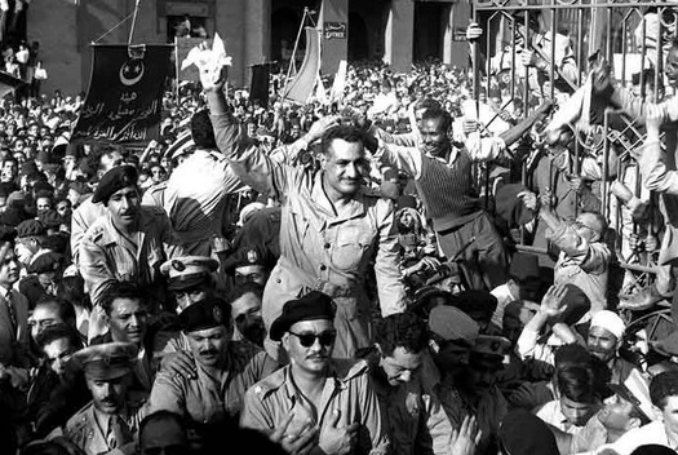
Unveiling Nasser’s Secrets: Arabs, Palestine, and the Crucial Timing
Palestinians’ expectations from the Arab world have shifted. They no longer seek a call to arms or a comprehensive embargo on Israel, but rather the cessation of any actions that support the adversary against the two million besieged people in Gaza.
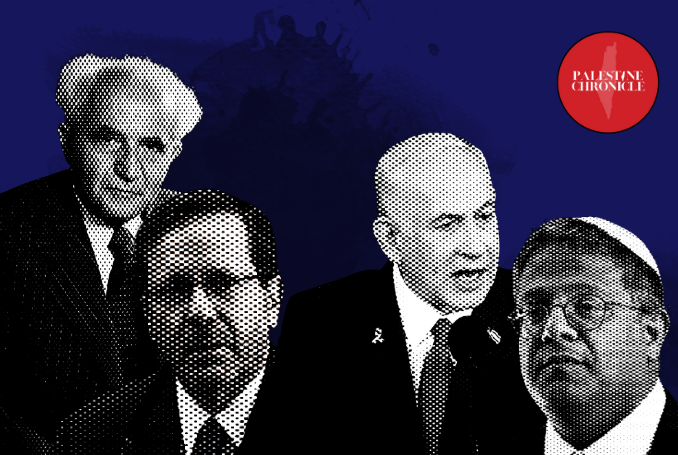
Civil War on the Horizon? The Ashkenazi-Sephardic Conflict and Israel’s Future
Though the Ashkenazis are losing most of their political power, they continue to hold most of their economic cards, which could lead to disruptive strikes and civil disobedience.
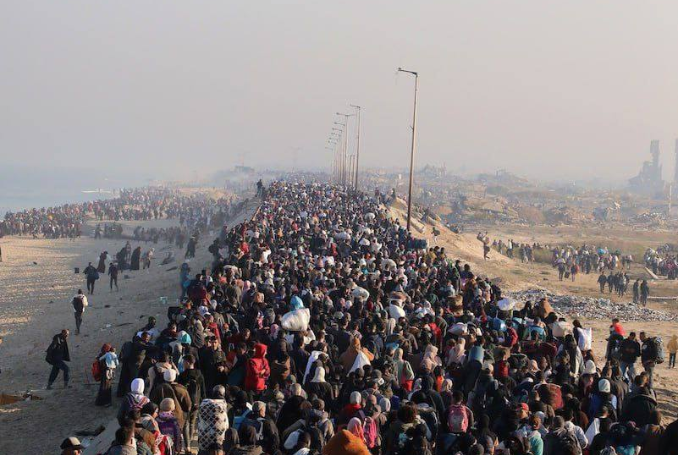
The Great March of Hope: Gaza’s Defiance against Erasure
Since the Nakba, Israel has insisted it will write the history of the land between the Jordan River and the sea. But Palestinians continue to prove Israel wrong.
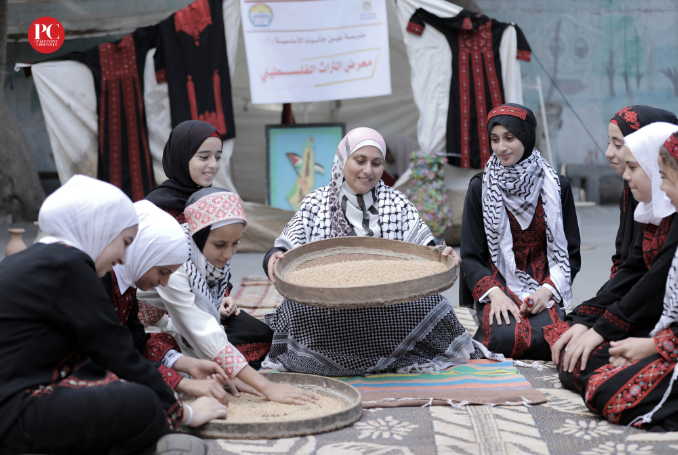
The Long History of Palestine – How Palestinians See Their Future and Their Past
If the oppressed, the natives of the land, are not fully vanquished or decimated, they are likely to rise, fight and win back their freedom.

Dear West: Your ‘Age of Monsters’ Has Begun
I find it important to reflect on Gramsci’s understanding of the process of change in society due to the ongoing chaos underway in various western countries.
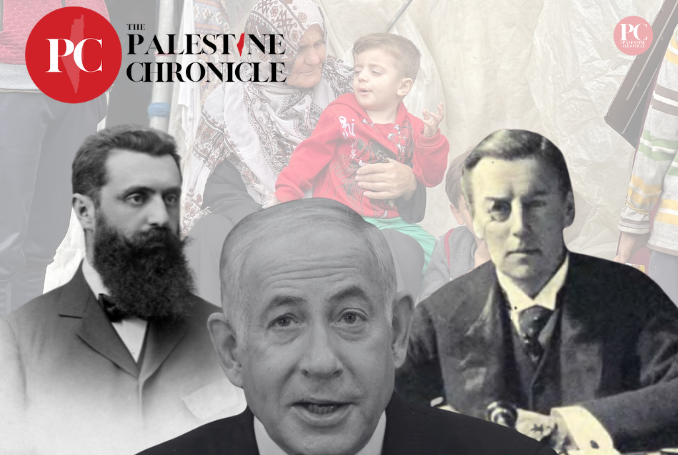
From Gaza to Congo: How Palestinians Became Victims of Zionist History
Not only is Israel now assuming the role of the mass killer but the rest of the Western world continues to play the role assigned to them in this historical tragedia.
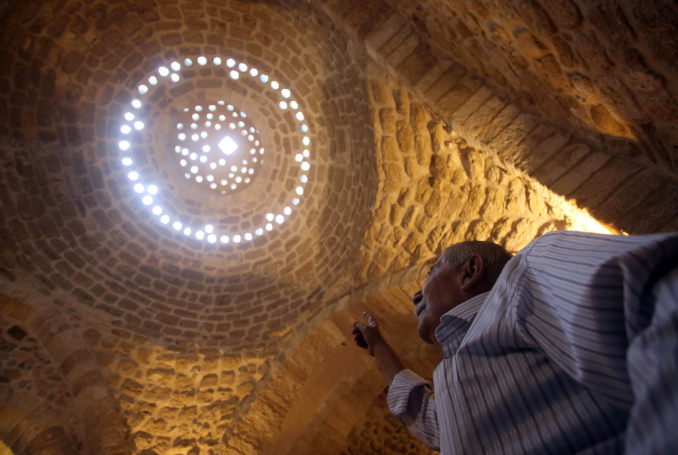
The Untold History of Gaza: On Conquerors, Resurgence and Rebirth
What is taking place in Gaza now is but an episode, a traumatic and a defining one, but nonetheless, a mere chapter in the history of a people who proved to be as durable and resilient as history itself.
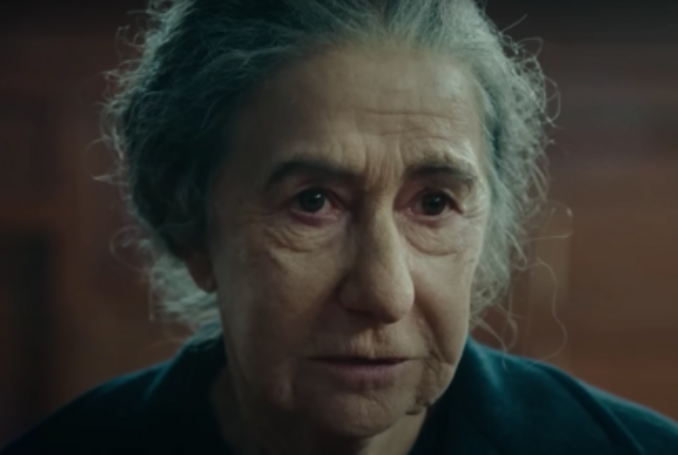
Glorifying Hate: Golda Movie Shows that Zionism Remains Unrepentant
A new movie glorifying the legacy of Zionist leader and Israel’s fourth Prime Minister, Golda Meir, has been released in selected theaters in the US and Europe.
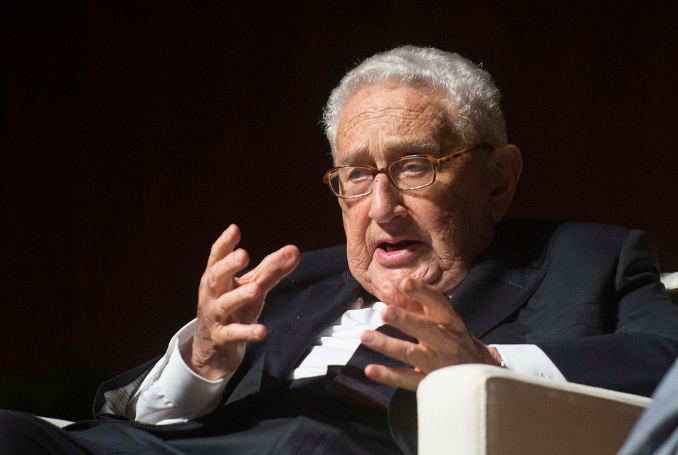
Prophets of Doom: Kissinger and the ‘Intellectual’ Decline of the West
The problem, of course, is not Kissinger himself. The crisis is twofold: The West is unwilling to accept that war, for once, will not solve its problems.
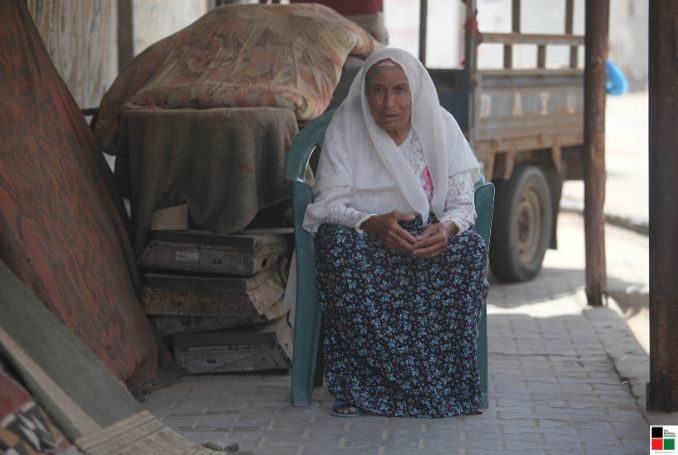
Erasure vs. Sumud: How the Nakba Came to Define the Collective Palestinian Identity
For Palestinians, the Nakba is not a single date. It is the whole story, the conclusion of which will be written, this time, by the Palestinians themselves.
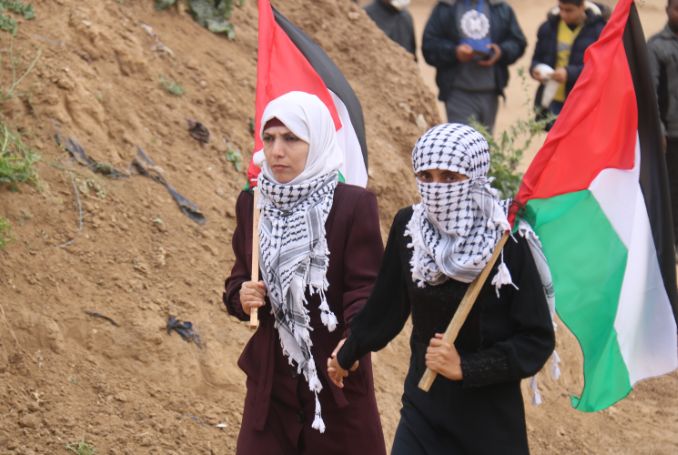
The Nakba Day Triumph: How the UN Is Correcting a Historical Wrong
May 15, 2023, UN Nakba Day represents the triumph of the Palestinian narrative over that of Israeli negationists. This means that the blood spilled during Gaza’s March of Return was not in vain, as the Nakba and the Right of Return are now back at the center of the Palestinian story.