- March 6, 2026

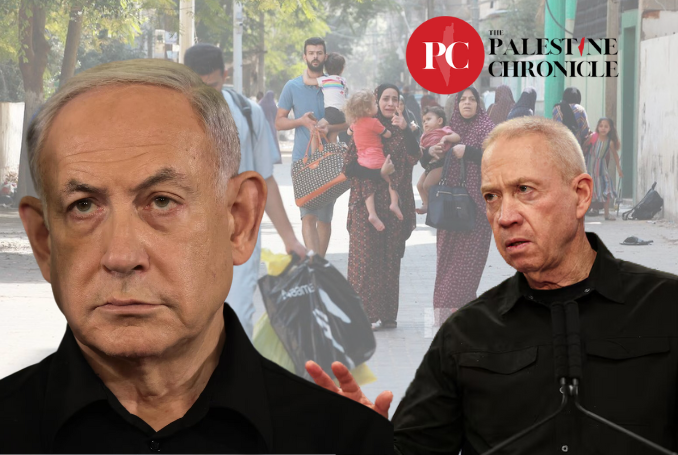
The Altalena Affair: Is Israel Heading towards a Civil War?
“There will be no civil war” in Israel, Israeli Prime Minister Benjamin Netanyahu said on June 18. But he might be wrong.

Growing up in Nuseirat – Where Massacres Become Routine
Nuseirat, like Gaza, is a representation of a culture that cannot be broken, no matter the firepower, or the extent of the massacres.
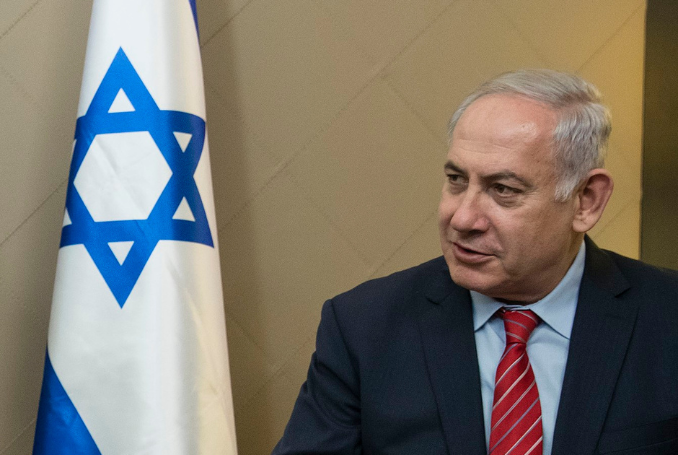
‘Wishful Thinking’ – Does Israel Have All the Cards in Gaza?
Netanyahu does not seem to have an actual plan for Gaza, neither for now nor after the war. So, he prolongs the war despite the fact that his army is exhausted, depleted and is being forced to fight on multiple fronts.

Debunking Israeli Propaganda in Rafah – Interview with Ramzy Baroud (VIDEO)
Robert Inlakesh and Ramzy Baroud discusses Israel’s invasion of the southern Gaza City of Rafah and the Resistance on the ground.

The World’s Shifting Pendulum: Palestine’s ICC Victory is Proud Moment for the Global South
The persistence of Palestinians and the massive solidarity they have obtained from countries throughout the Global South, eventually paid off.
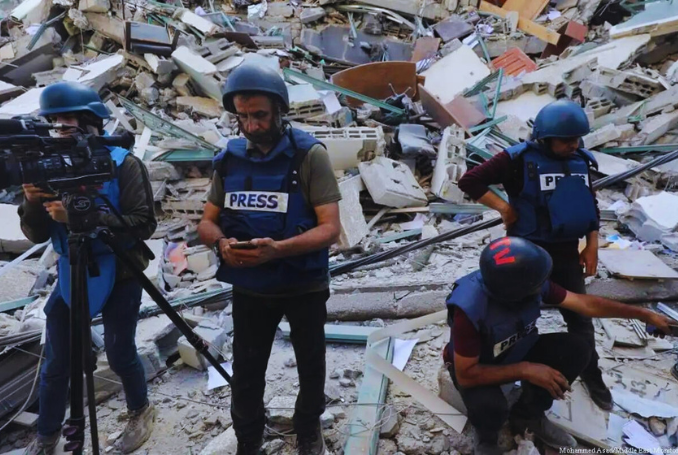
UNESCO Honors Gaza Journalists – On How Israel Inadvertently Empowered Palestinian Media
The success, and the sacrifices of Gaza journalists should serve as a model for journalists and journalism around the world.

It Is Time to Ask the Question: ‘What Do Palestinians in Gaza Want?’
This reductionist thinking is now being applied to Gaza where every historical reference is intentionally pushed aside.
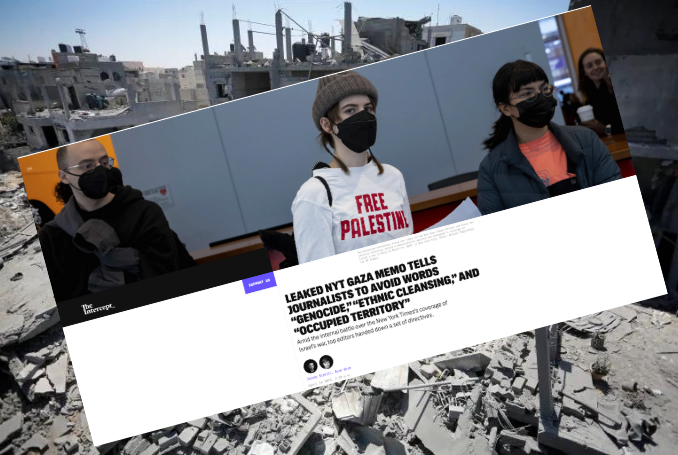
Cruelty of Language: Leaked NY Times Memo Reveals Moral Depravity of US Media
As Gaza continues to resist the injustice of the Israeli military occupation and war, the rest of us, concerned about truth, accuracy in reporting and justice for all, should also challenge this model of poor, biased journalism.
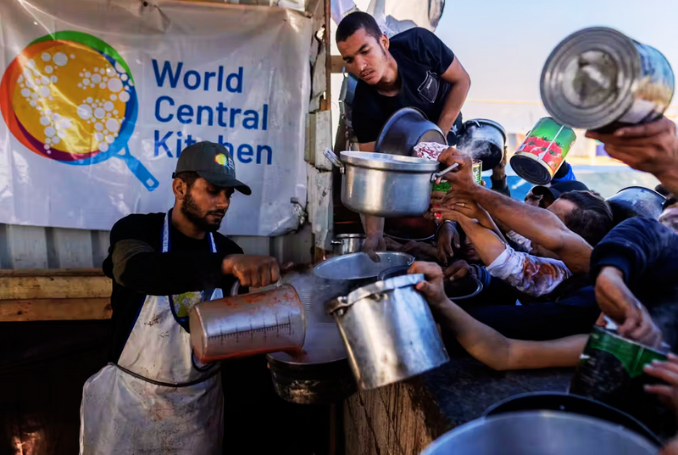
Assassinating Humanity: Why Israel Killed the WCK Workers in Gaza
The latest killing of the internationals in Gaza was done to serve the same goal: ensuring that no aid distribution mechanism is allowed.
Israel’s Irremediable Defeat: On Tel Aviv’s Other Unwinnable War
All of Netanyahu’s political shenanigans, which served him well in the past, would fall short from allowing him to return to power.
Ramzy Baroud on AJA’s The Listening Post
Six months into Israel’s devastating war on Gaza, the United Nations Security Council has finally passed a resolution demanding a ceasefire. The United States’s abstention marks a pivotal moment in Israel’s increasing international isolation. In the Israeli media, the opposition to the UN vote is near-unanimous and unsurprising. More striking is the lack of interest […]
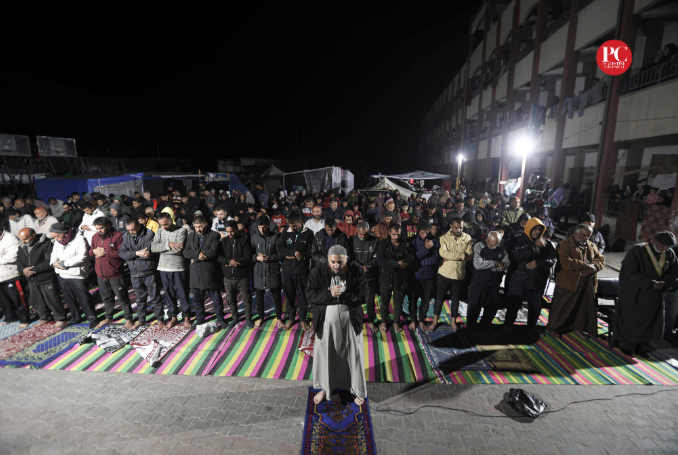
On Du’a and Action: A Supplication for Gaza, and Humanity
If Gaza has not given up, why should we? Even giving up is a privilege. Gaza does not have that privilege nor should we grant it to ourselves.
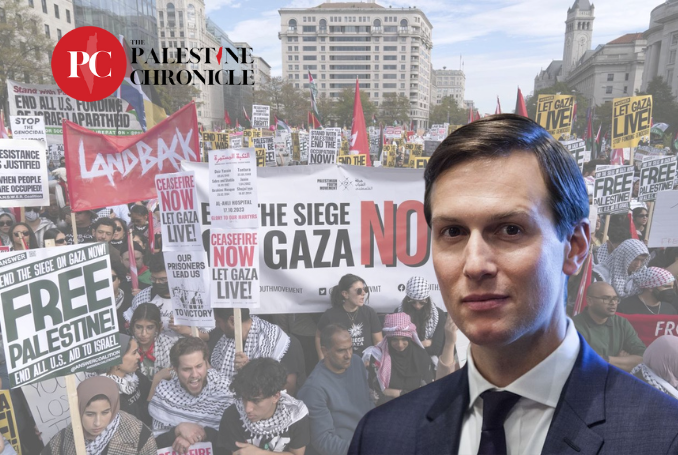
On Solidarity and Kushner’s Shame: How Gaza Revitalized Global Solidarity
The critical mass for meaningful solidarity has finally been achieved, signaling that, once more, Palestinians have imposed themselves as the guardians of their own struggle.

Zionism and the Annihilation of Gaza: The Problem in Palestine is Not Political, but Ideological
All of this – the language of genocide, the genocide itself and the threats of committing a greater genocide – is rooted in Zionism.
The Injured Gaza Boy and His Drawing: Do Palestinians Have the Right to Self-Defense?
It is interesting how the colonizers and the colonized continue to build relations and solidarity around the same old principles. The Global South is, again, rising in solidarity with the Palestinians, while the North, with a few exceptions, continues to support Israeli oppression.

Europe’s Moral Crisis: Is the EU a Direct Partner in the Israeli Genocide in Gaza?
If Borrell truly wishes to develop a political backbone, he should fully back international law, and advocate for the use of the EU’s massive economic leverage to put pressure on Israel to end its war and military occupation of Palestine.

Genocide in Gaza as an Opportunity: What Ben-Gvir Wants in the West Bank
This genocidal war continues to create opportunities for religious Zionism to acquire new followers, and to lay deeper roots within Israel’s political establishment.
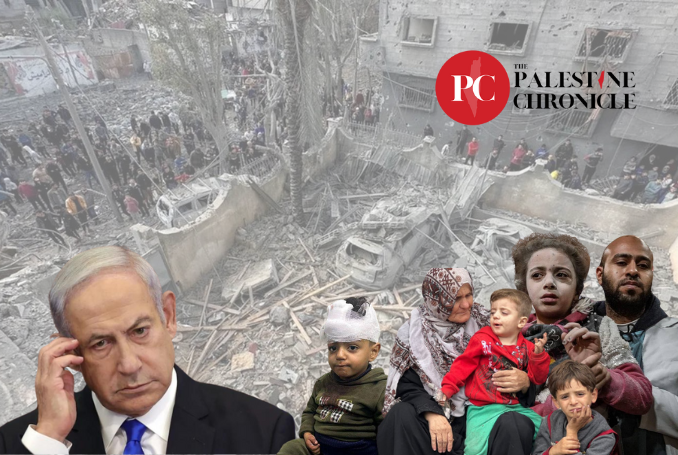
100 Days and Counting of War: Legendary Palestinian Resistance Will Be Netanyahu’s Downfall
By Ramzy Baroud Law number one in the ‘law of holes’, is that “if you find yourself in a hole, stop digging.” Law number two, “if you are not digging, you are still in a hole”. These adages sum up Israel’s ongoing political, military and strategic crises, 100 days following the start of the war […]
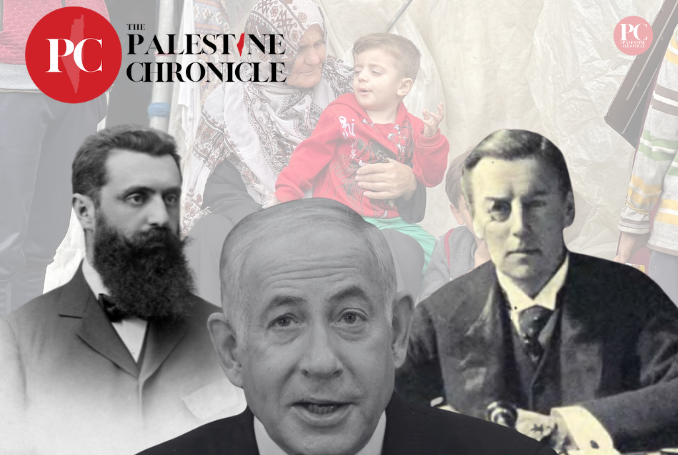
From Gaza to Congo: How Palestinians Became Victims of Zionist History
Not only is Israel now assuming the role of the mass killer but the rest of the Western world continues to play the role assigned to them in this historical tragedia.
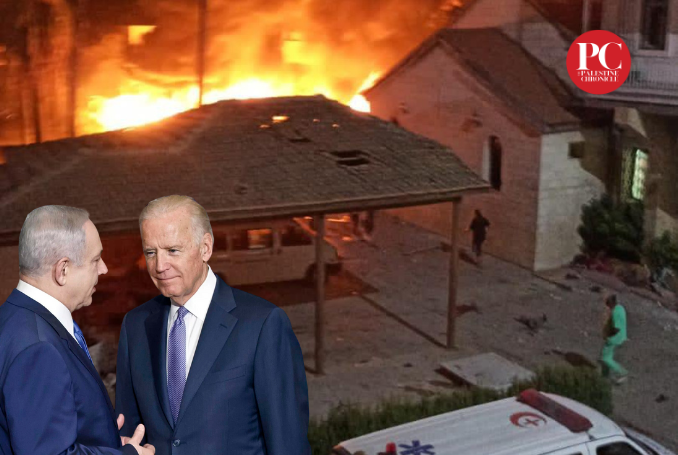
Rage over Gaza: Washington Will Pay for Its Support of Israel
“In the end, love will return in a different way,” Kafka wrote. He is right. But hate, too, tends to return as well, manifesting itself in myriad ways.