- March 6, 2026

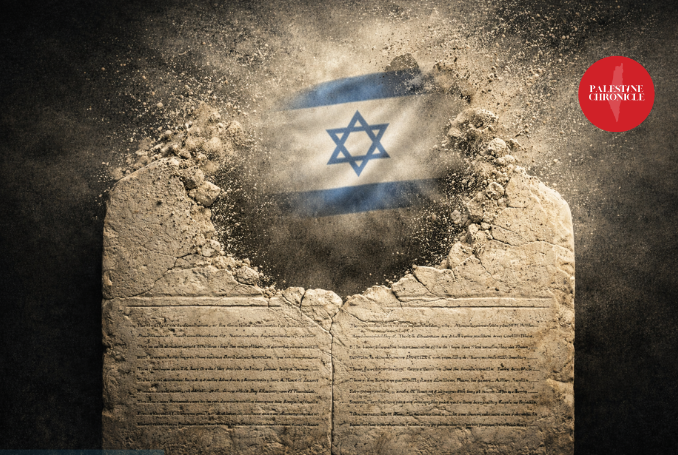
The Death of Law: Israel’s Permanent State of Exception is a Warning to the World
Israel has already created that void. In the hands of a genocidal settler-colonial society, the state of exception is a relentless nightmare that will not stop at the borders of Palestine.
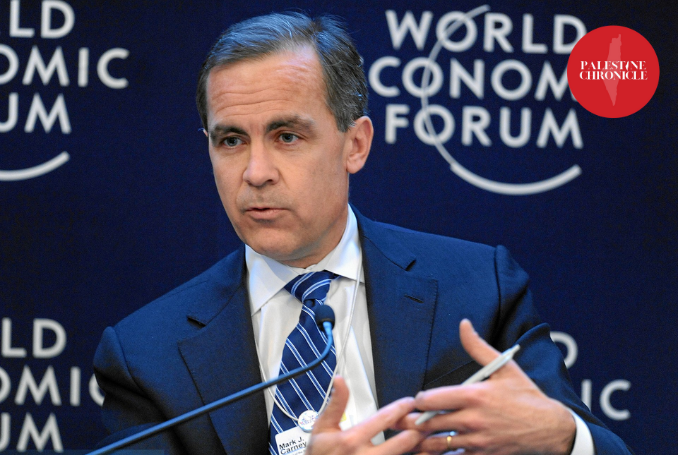
Greenland vs. Gaza: Mark Carney and the Selective Death of the Rules-Based Order
Before mistaking Carney for a Thomas Sankara or a Patrice Lumumba, one must recall his administration’s record on the slaughter in Gaza. The irony is inescapable: Carney rails against a world where “might makes right” when it involves American tariffs or threats to Greenland, yet he presides over a policy that facilitates exactly that in the Middle East.
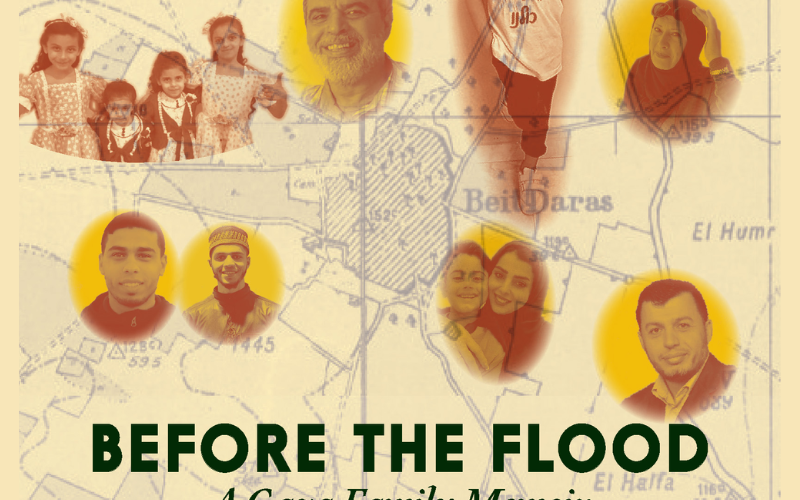
Before the Flood: A Gaza Family Memoir
Before the Flood: A Gaza Family Memoir is a profound exploration of Palestinian history and resilience through the personal stories of the author’s family—the al-Badrasawis. Beginning with intimate details of village life in Beit Daras prior to the Nakba, Ramzy Baroud vividly portrays the rich cultural heritage, deeply rooted traditions, and daily struggles faced by ordinary people whose lives were radically disrupted by the violent upheavals and ongoing conflicts driven by British colonialism and Zionist aggression.
Baroud weaves together past and present, illuminating how historical forces shaped the collective consciousness and steadfast resilience of the Palestinian people. His storytelling reveals not only the harsh realities of occupation, displacement, and loss but also the extraordinary courage, faith, and solidarity that underpin a powerful and enduring spirit of resistance, encapsulated in what the author refers to as the Palestinian “longue durée.” Ultimately, Baroud aims to humanize and reclaim Palestinian narratives from distorted portrayals, highlighting their perseverance and the universal quest for justice and liberation.
Gaza Rising: Voices from the Rubble
Drawing on the voices of Gaza’s own intellectuals, journalists, doctors, teachers, artists, and community leaders, Gaza Rising: Voices from the Rubble highlights the resilience of a people determined to endure despite overwhelming devastation.
Since October 7, 2023, Gaza has faced its most catastrophic assault yet, with the destruction extending far beyond homes to hospitals, schools, civil institutions, and cultural life itself. By late 2024, most of the Strip had been rendered uninhabitable, leaving nearly the entire population displaced. Yet even amid the systematic targeting of every sector of society, Gaza’s people continue to assert their existence, raising a profound question: can a people so deeply rooted ever truly be erased?
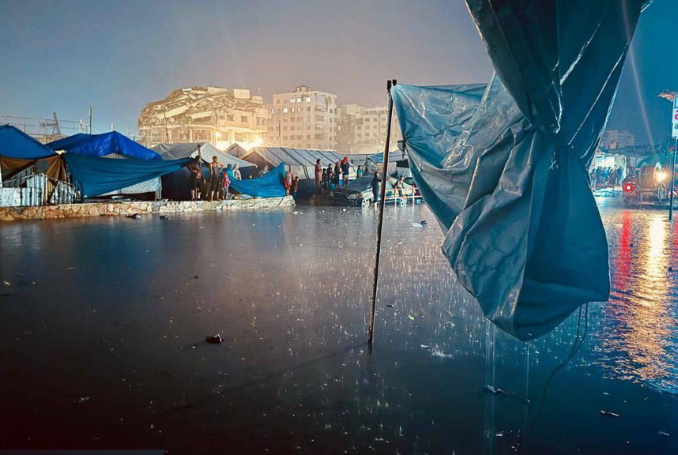
Killed Twice – Gaza Abandoned While the Genocide Persists
Palestinians are killed twice: first through genocide, and then through erasure — through silence, distraction, and the gradual withdrawal of attention from their ongoing collective suffering.
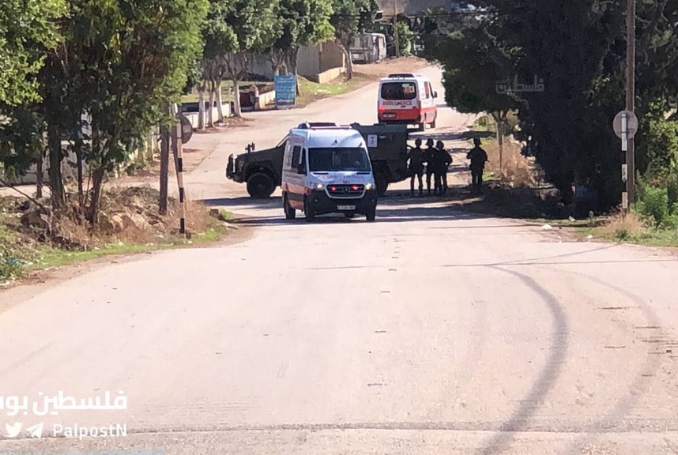
The War beyond Gaza: Israel’s Silent Shock Campaign in the West Bank
A shock and awe. The phrase is apt in describing what Israel has done in the occupied West Bank almost immediately following the events of October 7, 2023, and the start of the Israeli genocide in Gaza.
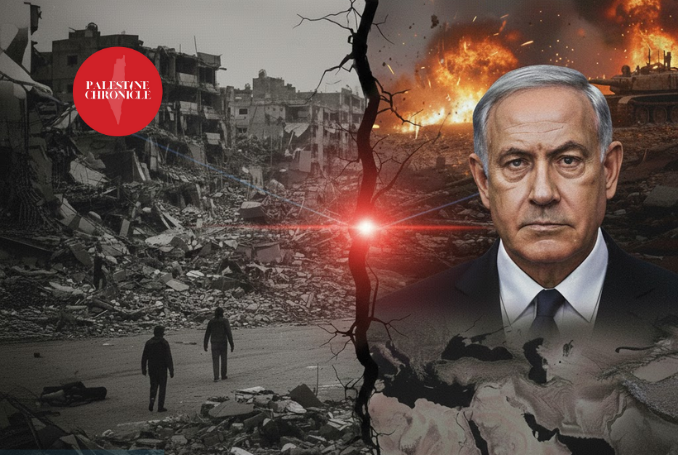
Teetering on the Brink of Genocide: Why Netanyahu is Keen on Prolonging the Gaza War
The war on Gaza is not merely a military campaign. It is the linchpin holding together Netanyahu’s political survival, ideological project, and regional ambitions—one he appears determined to keep firmly in place.
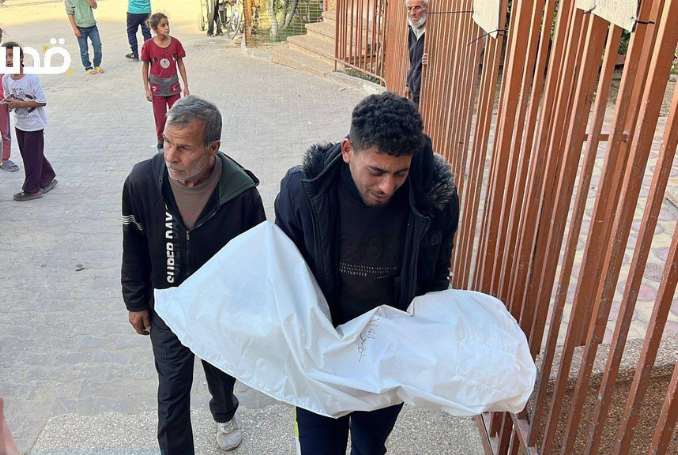
Coming Soon: How the World is Preparing the Ground for the Next Palestinian Genocide
Tragically, the conditions that fueTragically, the conditions that fueled the first wave of genocide in Gaza are being meticulously reconstructed.led the first wave of genocide in Gaza are being meticulously reconstructed.

The Noose of Ben-Gvir: Why Only Israel’s Narrative of Annihilation is Actionable
Only real accountability — through political, legal, and economic pressure — can halt Israel’s advance toward continuing its genocidal campaign.
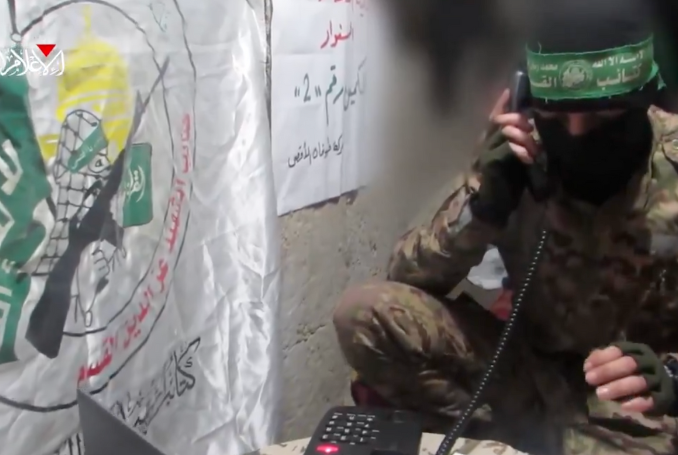
Ending Resistance: Why Palestinians Face the Same Fate, Weapons or Not
If Israel’s genocide in Gaza is entirely motivated by the desire to crush the armed groups, then why the continued crushing of the West Bank?

Calculated Amnesia: Funding Genocide in Gaza While Policing Truth
Only by rigorously exposing and forcefully rejecting this hypocrisy can we finally liberate ourselves from the historic delusion that the solution to our problem is a Western one.
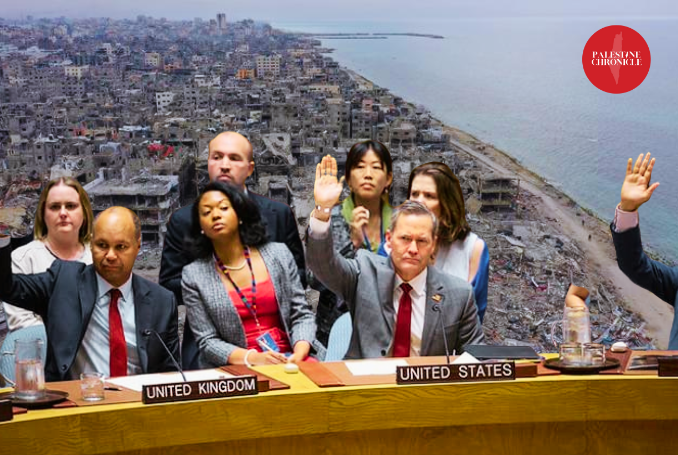
UNSC 2803: The US-Israeli Scheme to Partition Gaza and Break Palestinian Will
The failure of UNSC Resolution 2803 confirms one enduring truth: the Israeli war on Gaza has not stopped. It has simply changed form.
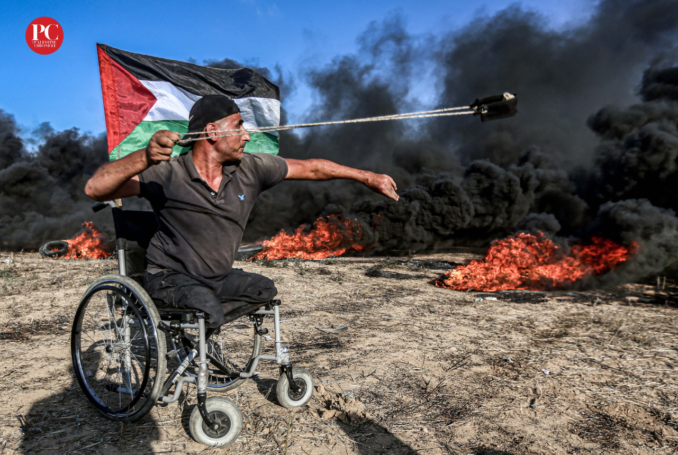
The Cartography of Genocide: Gaza’s Borders of Perpetual Subjugation
Even those not fully familiar with the deep, painful history of Gaza must realize that sustaining the Yellow Line of Gaza is nothing more than a dangerous, bloody illusion.
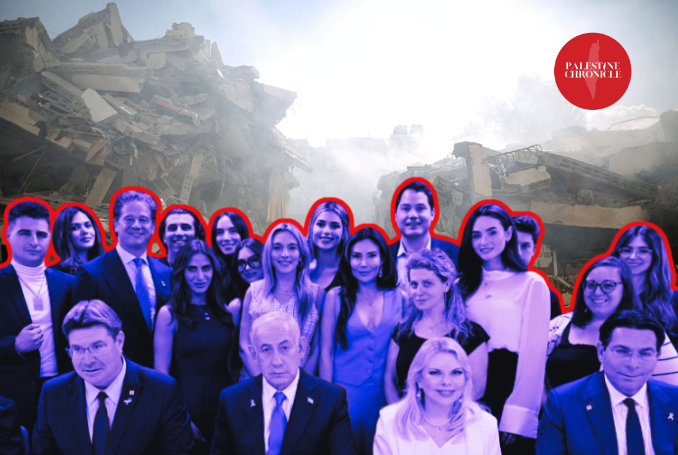
The Final Reckoning: Israel’s Last-Ditch Battle to Win the Media War
The final reckoning unfolds in the information warzone. The coming months and years mark the most critical fight for truth in the conflict’s history.
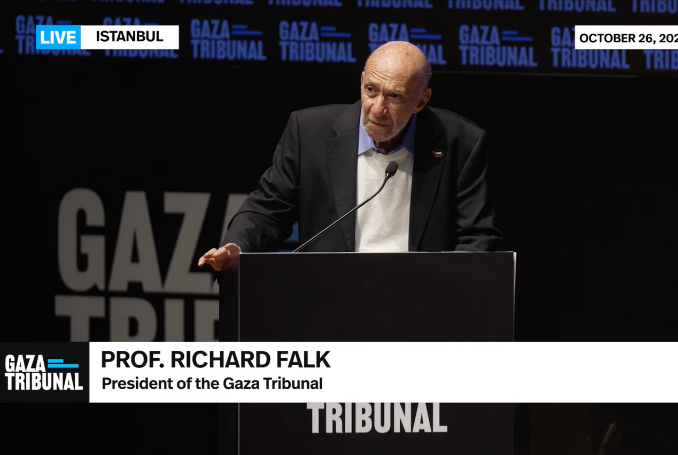
The Gaza Tribunal Verdict: A Blueprint to Shatter Israeli Immunity
The Gaza Tribunal thus becomes a necessary platform for casting educated, evidence-based judgment — the very judgment that should have been adopted by the ICJ and enforced by the UNSC.
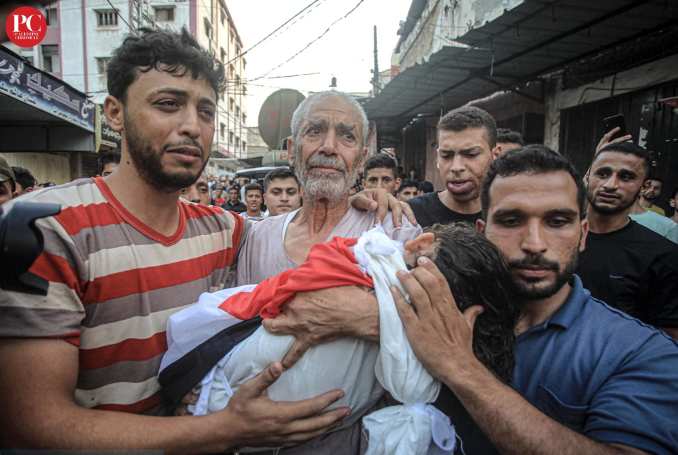
Measuring Defiance in 2025: How Palestinian Sumud Challenged the Israeli War and the West’s Complicity
The year concludes with some somber numbers, but also much hope and the legendary sumud among ordinary Palestinians.
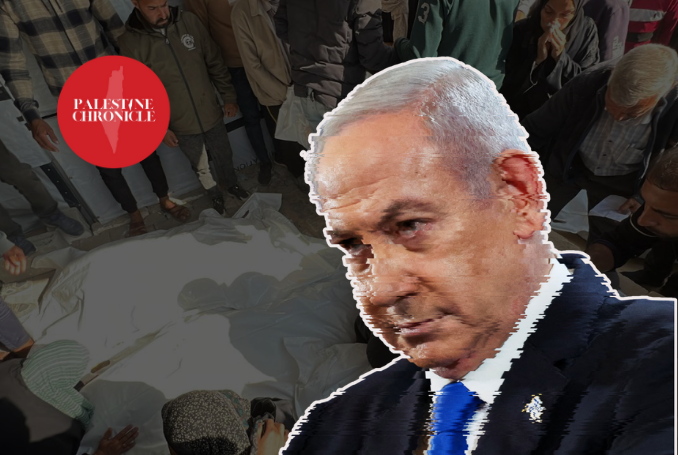
Netanyahu’s Endgame: Isolation and the Shattered Illusion of Power
It remains uncertain how long Netanyahu will remain in power, but his political standing has significantly deteriorated. He faces widespread domestic opposition and international condemnation.

Gaza’s Graveyard of Illusions: How Israel’s Narrative Collides with Military Failure
Israel has clearly failed to secure any genuine or lasting victory, and the obvious solution is for Israel to be reined in and held accountable for its crimes in Gaza and throughout Palestine.
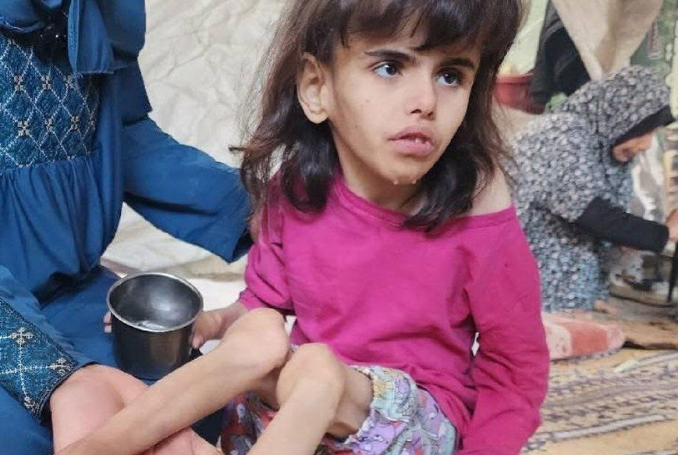
The Price of Silence: Gaza’s Famine and the Erosion of Our Humanity
The inability to ensure basic aid to Gaza will profoundly question our shared humanity for years to come.
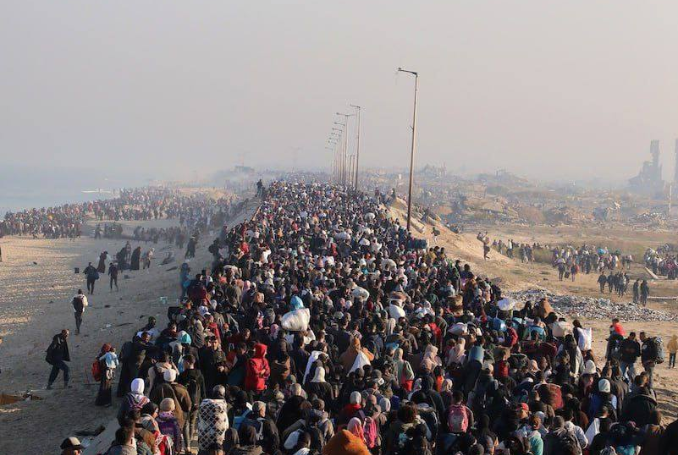
The Myth of Conquest: Why Gaza Will Never Be Subdued by Israel
Israel itself is acutely aware of this inherent paradox, hence its immediate and brutal choice: the perpetration of a genocide, a horrific act intended to pave the way for the ethnic cleansing of the remaining survivors.