- March 13, 2026

Slider Posts
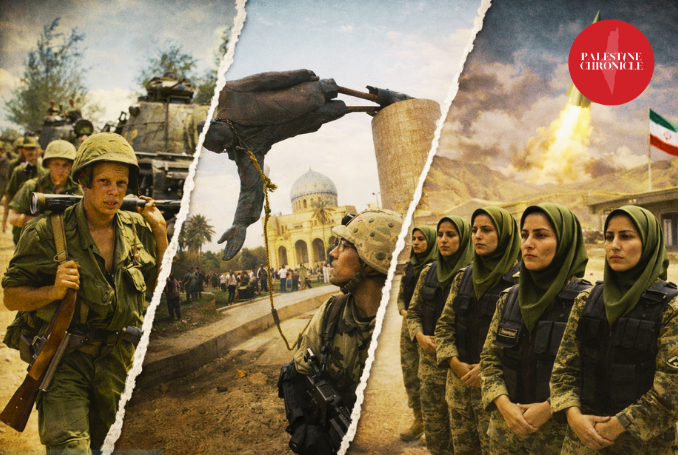
The Next American Quagmire: Why the War on Iran Is Destined to Fail – Analysis
Washington’s war on Iran ignores the lessons written in the devastation of Korea, Vietnam, Iraq, and Afghanistan.
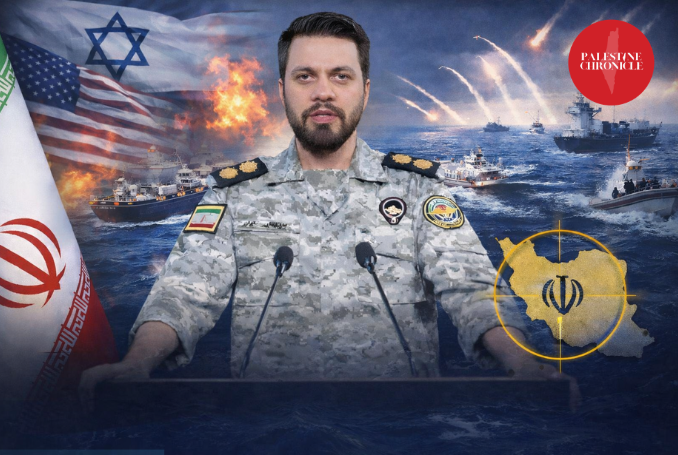
The War Iran Prepared For: How Tehran Is Raising the Cost of War
Iran is pursuing a multi-layered strategy—military, economic, political, and diplomatic—to raise the cost of war and prevent regime change.
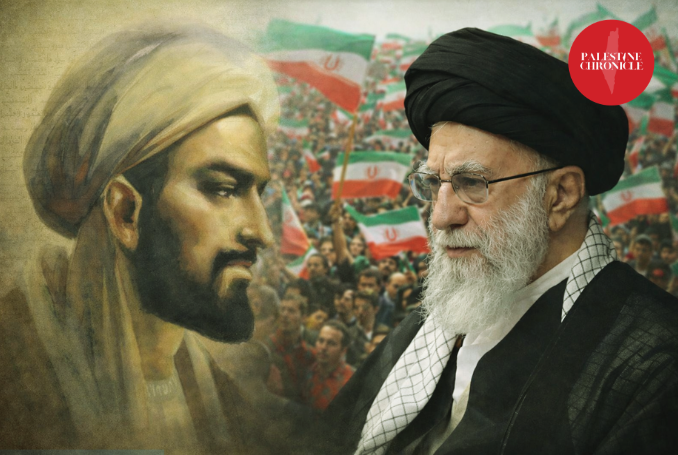
The Re-Rise of Iran: Did US-Israeli Aggression Revive the Islamic Revolution?
Ibn Khaldun’s theory of civilizational cycles offers a powerful lens to understand Iran’s resilience and the West’s decline.
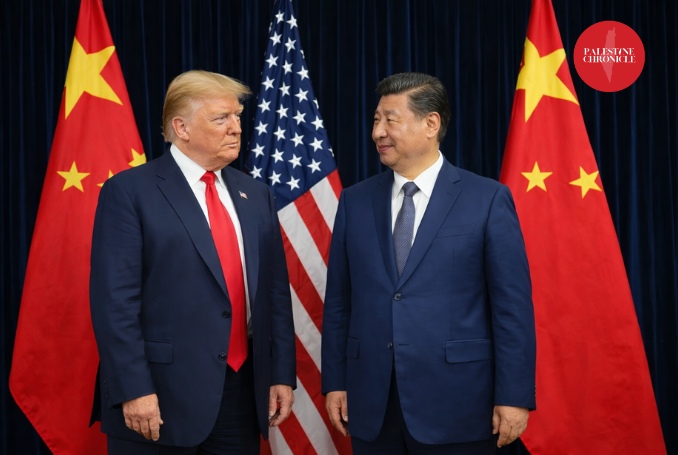
From Trade War to ‘Strategic Stability’: Is Washington Quietly Retreating from China?
The main hurdle remains Washington’s refusal to acknowledge that the massive shifts reshaping the global geopolitical map are irreversible.
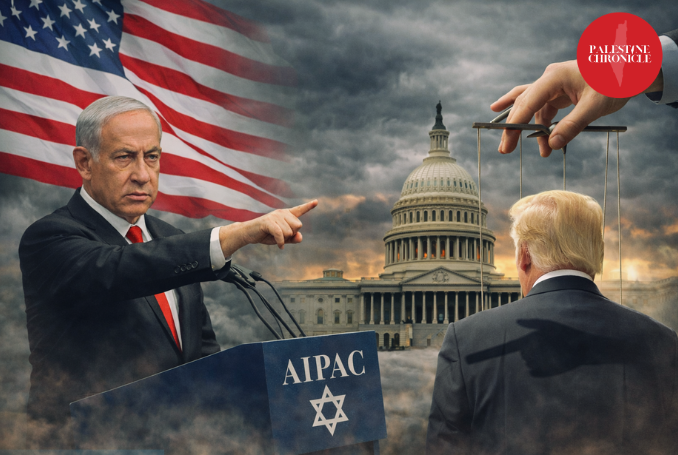
Debunked and Confirmed: Myths and Realities from the Iran War
The war on Iran has shattered US-Israeli myths and confirmed deeper truths about power, resistance and regional reality.
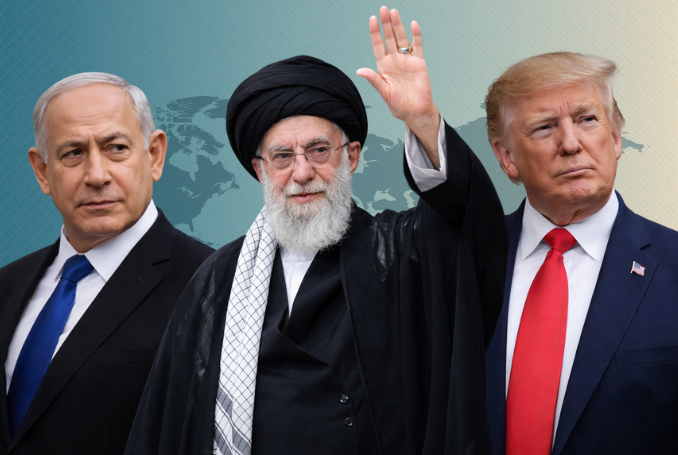
Who Decides What Is Legitimate? Power, Democracy, and the War on Iran
Democracy is invoked as moral legitimacy in war, while Iran’s authority rests on layered political, religious, and historical foundations.

Before the Flood: Ramzy Baroud Announces Worldwide Book Tour
Palestinian author, journalist, and historian Ramzy Baroud will embark on a worldwide tour, starting on February 11, presenting his latest book—a deeply personal and historically grounded account of Palestine told through the story of his family in Gaza and a village in historic Palestine.

Killed Twice – Gaza Abandoned While the Genocide Persists
Palestinians are killed twice: first through genocide, and then through erasure — through silence, distraction, and the gradual withdrawal of attention from their ongoing collective suffering.

The War beyond Gaza: Israel’s Silent Shock Campaign in the West Bank
A shock and awe. The phrase is apt in describing what Israel has done in the occupied West Bank almost immediately following the events of October 7, 2023, and the start of the Israeli genocide in Gaza.
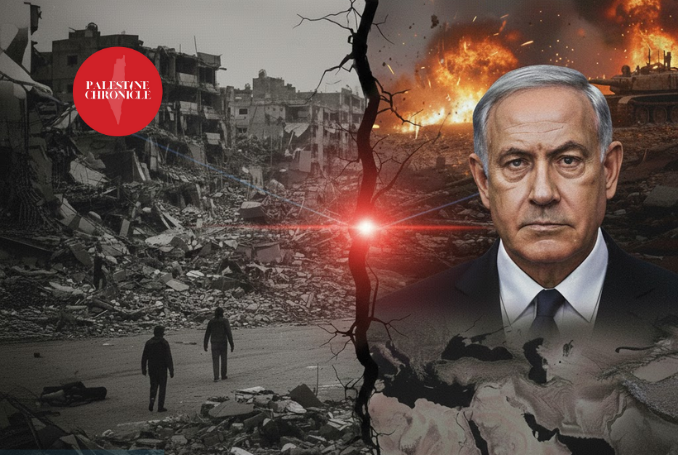
Teetering on the Brink of Genocide: Why Netanyahu is Keen on Prolonging the Gaza War
The war on Gaza is not merely a military campaign. It is the linchpin holding together Netanyahu’s political survival, ideological project, and regional ambitions—one he appears determined to keep firmly in place.
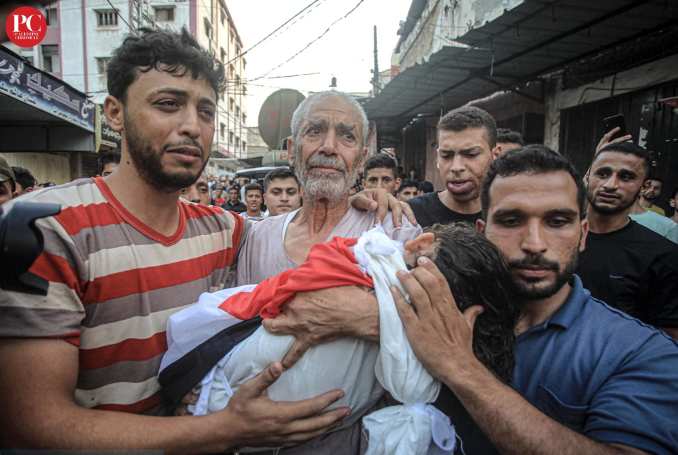
Measuring Defiance in 2025: How Palestinian Sumud Challenged the Israeli War and the West’s Complicity
The year concludes with some somber numbers, but also much hope and the legendary sumud among ordinary Palestinians.
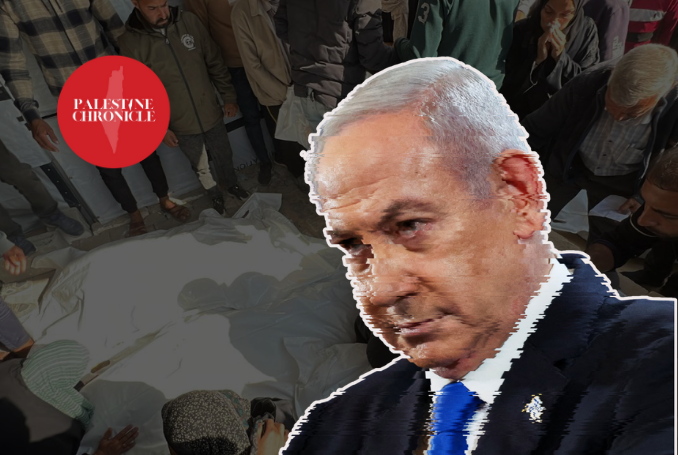
Netanyahu’s Endgame: Isolation and the Shattered Illusion of Power
It remains uncertain how long Netanyahu will remain in power, but his political standing has significantly deteriorated. He faces widespread domestic opposition and international condemnation.

Gaza’s Graveyard of Illusions: How Israel’s Narrative Collides with Military Failure
Israel has clearly failed to secure any genuine or lasting victory, and the obvious solution is for Israel to be reined in and held accountable for its crimes in Gaza and throughout Palestine.

The Price of Silence: Gaza’s Famine and the Erosion of Our Humanity
The inability to ensure basic aid to Gaza will profoundly question our shared humanity for years to come.
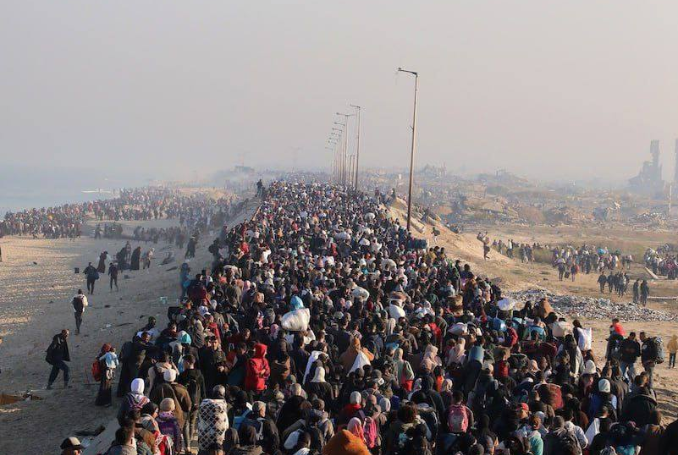
The Myth of Conquest: Why Gaza Will Never Be Subdued by Israel
Israel itself is acutely aware of this inherent paradox, hence its immediate and brutal choice: the perpetration of a genocide, a horrific act intended to pave the way for the ethnic cleansing of the remaining survivors.

Screaming Soldiers and Open Revolt: How One Video Unmasked Israel’s Internal Power Struggle
Eyal Zamir, who had already committed that “2025 will be a year of war,” seems less inclined now to escalate the war beyond Israel’s ability to sustain it.